The government is developing an Integrated Natural Resource Management Policy to fast-track the Kenya Kwanza’s environmental conservation agenda aimed at improving the country’s forest cover in a wider goal to mitigate the effects of climate change.
An inter-ministerial committee is already working on the proposed policy in line with a Presidential Directive that all forests, water towers, rangelands, marine ecosystems, and other vital resources be conserved and protected for sustainable development.
Speaking at Harambee House during the Committee’s opening session on deliberations, Deputy Head of the Public Service Amos Gathecha underscored the urgency for a coherent policy to address pressure attributed to climate change, population growth, and unsustainable exploitation of natural resources due to competing interest on land use.
He said the policy must integrate key sectors such as agriculture, water, energy, environment, and mining, while recognizing communities as the first custodians of natural resources.
Gathecha further noted that sustainability and resilience should be embedded through climate adaptation, green growth, and circular economy principles.
“This committee has the unique opportunity to shape a transformative policy that secures our natural heritage, strengthens national resilience, and positions Kenya as a leader in sustainable natural resource management,” he said.
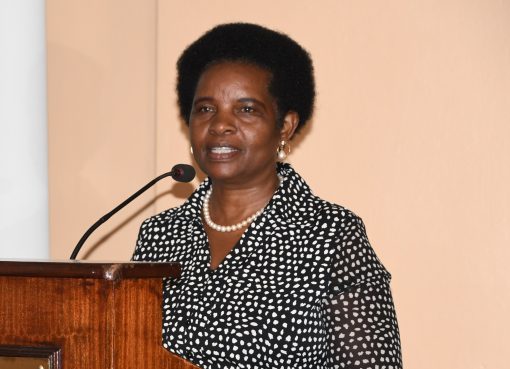
Principal Secretary for Wildlife in Kenya is Silvia Museiya, who was also at the meeting, welcomed the initiative, citing the close link between healthy ecosystems and the growth of the tourism sector.
She said integrated resource management, globally recognized as a best practice, will help balance conservation with economic growth.
“Tourism thrives on healthy ecosystems and biodiversity. A coherent framework will safeguard habitats while promoting sustainable livelihoods for our people,” she observed.
The deliberations are expected to produce a comprehensive Integrated Ecosystem-Based Natural Resource Management Policy that reflects national priorities, aligns with international commitments, and incorporates the voices of all stakeholders.
By Jacqueline Adyang (PCO)