A coalition of civil society organisations has condemned the Council of Governors’ (CoG) decision to suspend appearances before the Senate County Public Accounts Committee (CPAC), describing the move as unconstitutional and harmful to public accountability.
In a joint press statement issued in Nairobi, the Okoa Uchumi Campaign, the National Integrity Alliance (NIA), and over a dozen governance and human rights groups expressed concern over allegations by governors that CPAC and the Senate County Public Investments and Special Funds Committee (CPIC) members were engaging in political witch-hunts, extortion, and harassment.
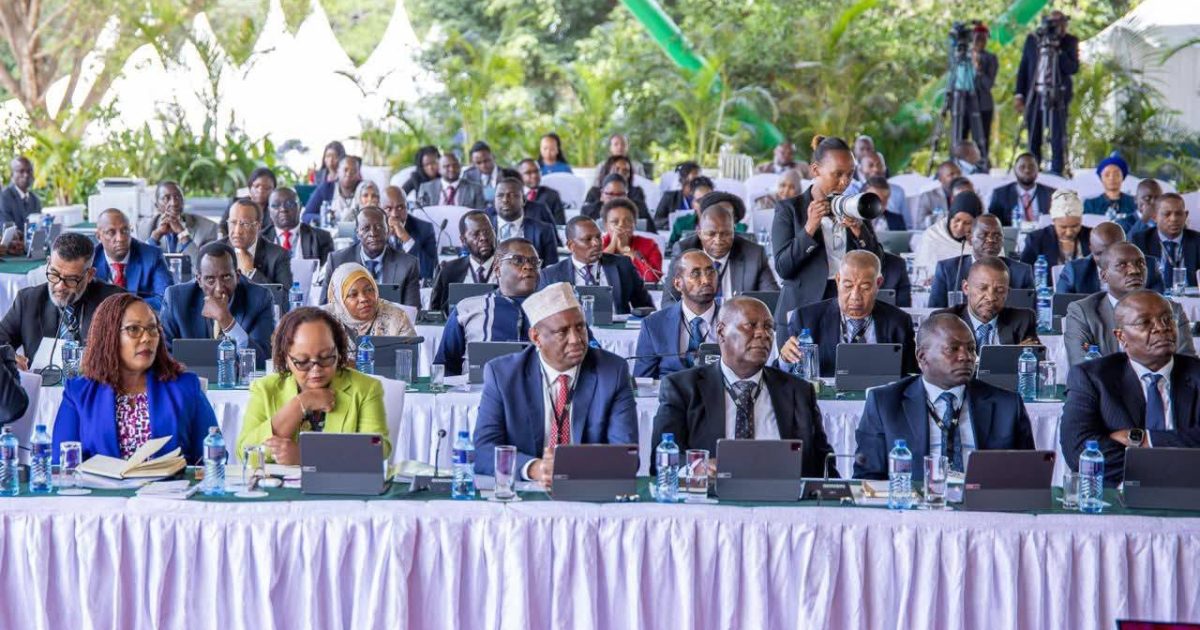
The Council of Governors recently resolved that governors would boycott CPAC summons until concerns over alleged misconduct by four committee members are addressed. The council also called for the reconstitution of the committee.
However, the civil society groups emphasised that while the allegations require independent investigation, they do not justify non-compliance with constitutional oversight processes. They cited Articles 96 and 125 of the Constitution, which empower the Senate to exercise oversight over national revenue allocated to county governments and to summon any person to appear before it.
“These provisions are not discretionary but binding constitutional obligations,” the statement read. It added that attempts to evade oversight undermine the rule of law and accountability in managing public resources.
The organisations also noted that allegations of bribery and extortion, if proven, would constitute serious violations of Chapter Six of the Constitution on Leadership and Integrity, and any state officer found culpable must face investigation and prosecution.
The coalition linked the impasse to longstanding concerns over county-level misuse of public funds, as highlighted in successive reports by the Office of the Auditor General. They pointed to persistent delays in submitting and considering audit reports, warning that such delays weaken oversight mechanisms.
Under Article 229(4) of the Constitution, audit reports must be submitted within six months after the financial year ends, while Article 229(8) and the Public Audit Act require Parliament to debate and act on the reports within three months of submission.
Failure to meet these timelines, the groups said, renders oversight ineffective and allows impunity.
The organisations urged CoG to formally report its allegations to the Ethics and Anti-Corruption Commission (EACC) and called on the Senate to institute disciplinary proceedings to safeguard committee integrity. They also appealed to the Office of the Director of Public Prosecutions (ODPP) to prioritise corruption and economic crimes cases arising from audit and parliamentary oversight processes.
Additionally, the National Assembly was urged to inform the public about its compliance with constitutional audit requirements across ministries, departments, and agencies.
The coalition warned that continued inaction by constitutional bodies could erode public trust in devolution and service delivery.
Signatories included The Institute for Social Accountability (TISA), Transparency International Kenya, Kenya Human Rights Commission, Katiba Institute, Amnesty International Kenya, and Twaweza East Africa.
They affirmed commitment to safeguarding constitutionalism and accountability, noting that civic and judicial interventions may be pursued if oversight and investigative agencies fail to act.
By Grace Naishoo