Kericho County has intensified efforts to expand public health surveillance and alertness, recognizing that clean homes and safe communities are essential for healthy communities and prosperity.
With a population estimated at 1.1 million in 2026, the County has strengthened its primary health care network, operating 202 community health units and deploying over 2,000 trained health promoters.
These workers visit households directly, delivering simple but vital health services and linking families to the wider health system.
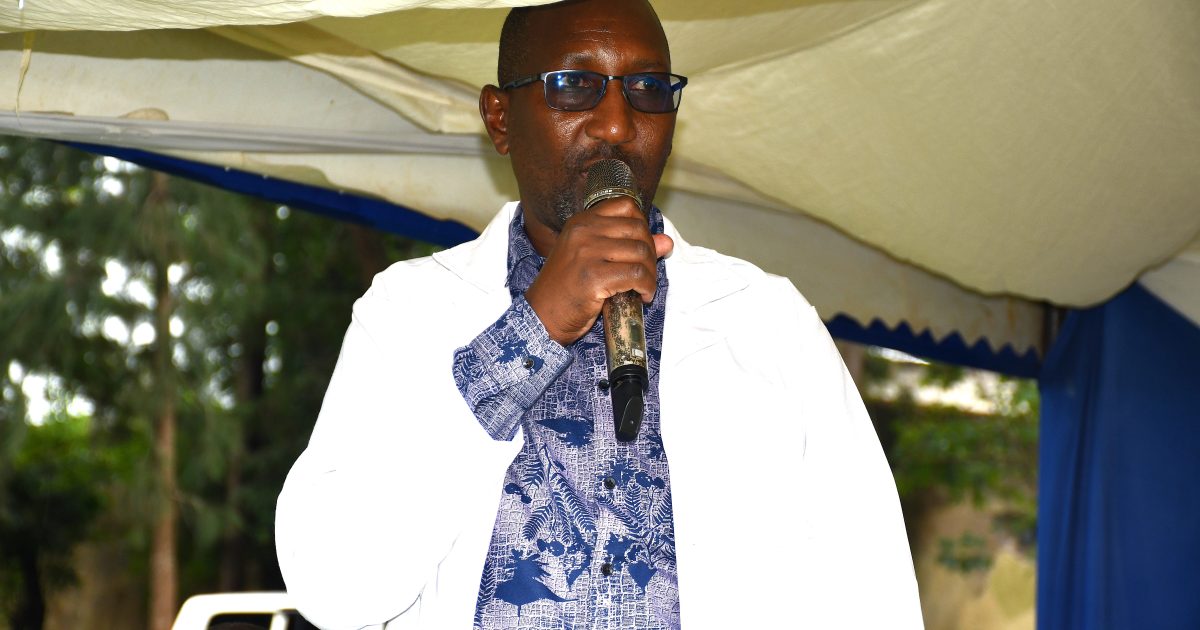
Building on these efforts, Kericho Governor, Dr. Eric Kipkoech Mutai, through a speech read on his behalf by Dr. David Ekuwam, County Executive Committee Member for Health Services, officially launching the Epuka Uchafu Afya Nyumbani campaign at Moi Gardens, Kericho.
The initiative makes Kericho the 13th county to join a nationwide drive that has already improved health practices in 12 other counties.
“The prevalence of preventable diseases in our county is being fuelled by unsafe water practices, improper waste management, and unsanitary living environments. True primary prevention begins within our homes, where families can adopt safe hygiene and proper waste handling practices,” said the Governor.
He praised community health workers as the backbone of the county’s preventive health strategy, noting that their commitment ensures essential health services reach every household and safeguard the well-being of residents.
Despite progress, challenges persist. Only 69 percent of households currently have access to basic sanitation facilities, leaving nearly one in five homes without improved sanitation.
Many households still lack hand washing stations with soap, leaving residents vulnerable to preventable diseases.
Addressing these gaps is critical for protecting children, improving school attendance, reducing healthcare costs, and boosting household productivity.
Kericho County generates roughly 500 tons of waste daily. Rapid urban growth in centres such as Chepseon, Kericho Municipality, Litein, Londiani, and Kapsoit is increasing pressure on waste management systems.
Limited household level waste segregation, inadequate garbage collection coverage, and illegal dumping especially of plastics pose serious public health risks, blocking drainage systems, increasing flooding, and creating conditions conducive to disease outbreaks.
“Every shilling invested in water, sanitation, and hygiene returns up to nine times in health and economic benefits. Investing in clean water, proper waste management, and hygienic practices is not merely an expense it is a strategic investment in the health of our people and the future of the county,” said the Governor.
County interventions are already producing results. Expanded garbage collection, improved waste segregation, community led health education, and recycling initiatives are turning environmental challenges into opportunities for healthier, more resilient communities.
Urban centres are recording measurable improvements in sanitation coverage, highlighting the impact of coordinated government action, community participation, and partnerships with the private sector.
Health officials emphasize that sanitation and hygiene are shared responsibilities requiring active participation from every household. While county programs provide infrastructure and guidance, lasting change depends on residents embracing hygiene as a daily habit.
Cleanliness is a culture, not a one-day activity, and it protects children, the elderly, and the broader community. By prioritizing household hygiene, Kericho demonstrates how local action can drive lasting health, productivity, and development gains.
Globally, sanitation and hygiene are recognized as critical to health. The World Health Organization (WHO) estimates that better access to clean water, adequate sanitation, and proper hygiene could prevent over 1.7 million deaths annually, most of them among children under five.
Studies also show that every shilling invested in sanitation and hygiene generates up to nine times the economic return through reduced healthcare costs, improved productivity, and disease prevention, underscoring the importance of household level preventive measures in sustaining public health.
By Gilbert Mutai