At least 200 youth are set to be trained in digital mapping and surveying, ahead of a comprehensive mapping exercise of informal settlements in Nakuru, aimed at enhancing data-driven planning and inclusive service delivery in the county.
The three-month training program that will also equip the youths with infrastructure assessment and socio-economic data collection skills will be rolled out through the Digital Public Works (DPW) initiative, under the second phase of the Kenya Informal Settlement Improvement Programme II (KISIP).
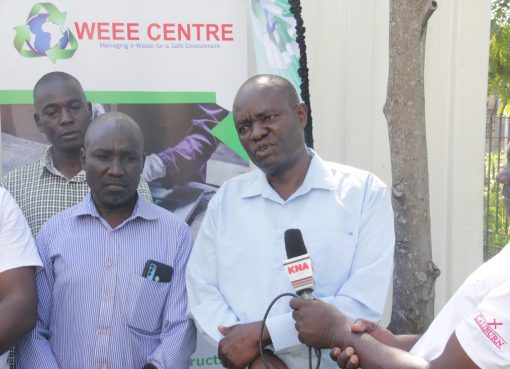
Nakuru County KISIP Project Coordinator (CPC) Engineer Kamau Kuria said the mapping exercise is expected to provide comprehensive data on the location, population, existing infrastructure, and service gaps in Kwa Rhoda informal settlement in Nakuru Town West Sub-County and Karagita in Naivasha Sub-County.
Engineer Kuria stated that the information will be instrumental in formulating future upgrading of the informal settlements, helping in informing targeted interventions, and ensuring that development planning addresses the needs of all residents within the low-income settlements.
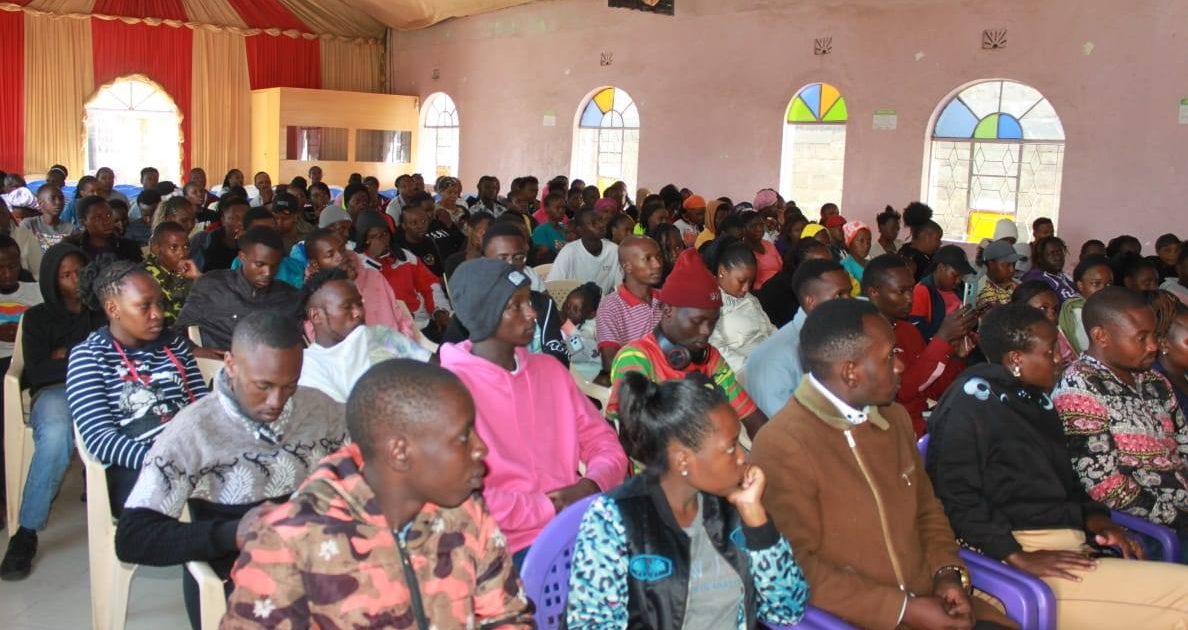
Speaking during a meeting to sensitize the residents on the planned training program, the coordinator, who doubles up as County Chief Officer for Housing and Urban Development, said the initiative will economically empower local youth while placing communities at the center of development.
The exercise, according to the official, will also provide the youth with an opportunity to learn about the digitization of aerial imagery by using terrestrial cameras for image acquisition in the informal settlements in addition to being skilled in digital micro-tasking.
Engineer Kuria observed that the beneficiaries of the initiative will be provided with short-term employment opportunities and skills transfer through data collection, thereby preparing them for job opportunities. “
This innovative activity will address the need for up-to-date urban datasets and provide vulnerable and at-risk youth with opportunities to develop digital skills through a public works model that offers them a cash-for-work safety net,” he added.
Engineer Kuria went on to say that the data collection would support evidence-based planning to enable the slum upgrading program to align with the county’s Urban Regeneration Plan and Sustainable Development Goal 11.
The State Department of Housing and Urban Development under the World Bank KISIP 2 has channeled Sh1.5 billion towards the upgrade of the informal settlements in Nakuru, making remarkable strides in improving access to basic services, securing land tenure, and strengthening institutional frameworks for slum upgrading in the devolved unit.
KISIP was initiated by the government in 2011, under the support of the World Bank, the Swedish International Development Cooperation Agency (SIDA), and the Agence Française de Development (AFD).
The project is currently domiciled at the State Department for Housing and Urban Development in the Ministry of Lands, Public Works, Housing, and Urban Development and is being implemented through 33 participating county governments and in close partnership with other state agencies and stakeholders.
Engineer Kuria indicated that after the mapping was done, they expected concrete action to follow, adding that residents needed better housing, sanitation, and access to basic services.
He assured the residents that the mapping exercise will be conducted transparently and will involve community participation to ensure accuracy and inclusivity.
The selected youth will be trained for a variety of tasks to create urban datasets, including building footprint digitization, terrestrial 360-degree imagery capture, mapping points of interest, AI data validation, and conducting household surveys.
They will further be equipped with technical skills to collect geospatial information towards supporting urban upgrading in solid waste management, socio-economic inclusion, disaster risk management, crime and violence prevention, and investment selection.
The Chief Officer indicated that the youth will be given tools to collect data, adding that the initiative specifically targets youth because they represent the majority of the population and are among the most vulnerable groups due to the lack of opportunities, especially in urban centers.
Engineer Kuria assured the residents that both the KISIP National Project Coordination Team (NPCT) and the County Project Coordination Team (CPCT) were ensuring that the proper project scope was captured by the project consultants so as to ensure the beneficiaries get value for money.
He noted that the team of experts from Nakuru Municipality, Environment, Social Services, Roads and Infrastructure, Land Physical Planning, Urban Development, as well as Supply Chain and Accounting personnel, were ensuring that the project is a success.
The State has granted the County Government of Nakuru Sh500 million towards ongoing projects to improve access to basic services in the low-income settlements of Kwa-Murogi, London, and Lake View within Nakuru Town and the Karagita slums in Naivasha.
The initiative, besides slum upgrading, is also targeting improvement of drainage infrastructure, waste management, improvement of roads in the slums, and installation of street lighting and high mast floodlights.
The World Bank has also finalized designs towards upgrading the Kapkures and Kiratina slums in Nakuru municipality, the Mwisho wa Lami settlements in Njoro Sub-County, and the Tayari low-income settlements at an additional cost of Sh500 million.
The first phase of KISIP saw Nakuru County receive a Sh429.7 million grant from the World Bank that was majorly channeled towards improving the drainage infrastructure, waste management, and tarmacking of roads in 8 slums, as well as the installation of floodlights.
The slums that benefitted in the first phase included Kaptembwa, the biggest in Nakuru Town, with a population of over 120,000.
Others were Kivumbini, Lake-View, Kwa-Ronda, Flamingo, Kaloleni, and Bondeni.
The slum upgrade projects are expected to be concluded by 2027, with the project further seeking to supplement the national government’s efforts to provide affordable housing.
By Esther Mwangi