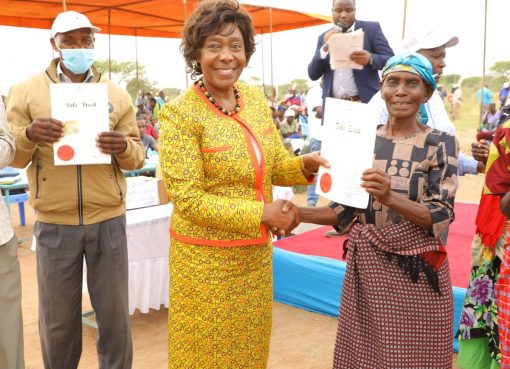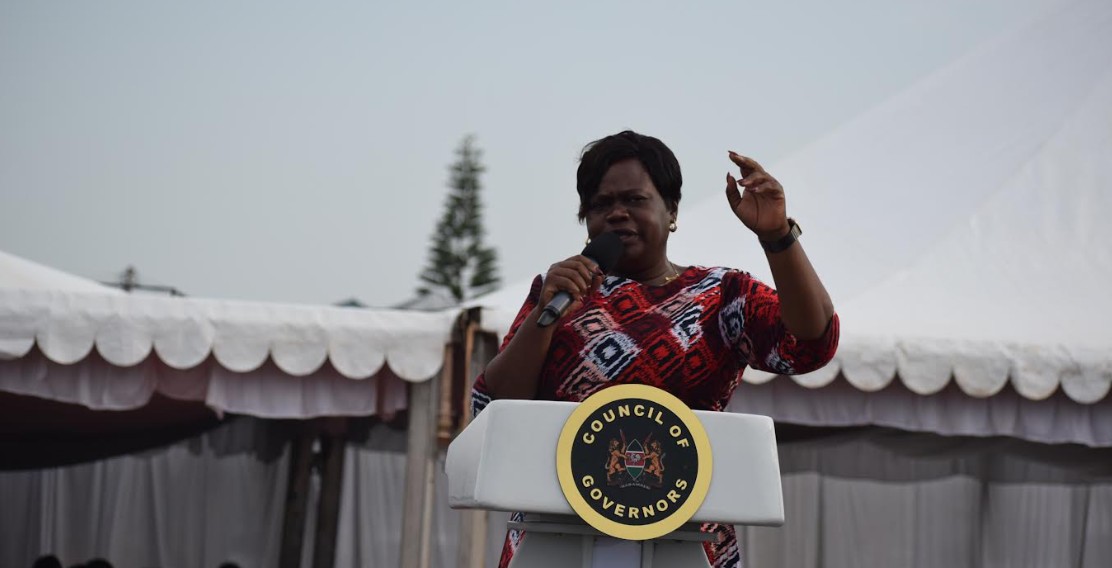
Homa Bay County Governor Gladys Wanga has described the just-concluded Devolution Sensitisation Week as a practical demonstration that devolution is not just a structure of governance but a living process that must impact the daily lives of citizens.
Speaking during the close of the week-long activities in Mbita, Wanga said the initiative focused on taking government services directly to the people through public engagement, civic education, and essential service delivery.
“This sensitisation week is not an end in itself but part of a larger journey that sets the tone for the upcoming Devolution Conference,” Wanga said, adding the Devolution Conference is scheduled to take place from August 12 to 15, this year.
From medical camps to direct public engagement, the County Government sought to reaffirm the purpose of devolution, not as an abstract structure of governance but as a responsive system that touches homes, markets, health facilities, and roads.
As part of the sensitisation efforts, the county together with the Council of Governors and the Mpesa Foundation conducted a three-day medical camp that reached an estimated 24,800 residents.
“That number represents people whose burdens were lightened, whose health was restored and whose hope was renewed,” Wanga said.
Health services offered included general outpatient care, cancer screening, dental and eye services, and testing for chronic and infectious diseases such as diabetes, hypertension, tuberculosis, and malaria.
About 4,960 patients were seen in outpatient departments, with 21 additional individuals accessing family planning services.
In a proactive move against non-communicable diseases, 149 women underwent breast cancer screenings, and 30 others were tested for cervical cancer.
At the eye clinic, 490 residents were screened, with 269 treated, 190 receiving reading glasses and 25 fitted with corrective lenses.
Some 24 patients were referred for advanced treatment, including 11 diagnosed with cataracts, a step that could mark the beginning of restored vision for some.
Governor Wanga noted that the programme was also inclusive, with 20 people living with disabilities being attended to.
The county also collected 35 pints of blood in its blood donation drive, which the governor said was a vital contribution to the county’s healthcare system and would help save lives.
Nutritional assessments conducted across the week revealed a concerning pattern where many residents were either underweight or overweight.
She said 30 boxes of condoms were further distributed to promote reproductive health by encouraging responsible and protected relationships.
In addition to health services, legal aid and land clinics were held to address issues including succession, land disputes, criminal cases, and matrimonial matters, with land-related issues being among the most common complaints raised.
“These clinics reminded us that justice, just like healthcare, must be accessible and must meet people where they are,” Wanga said.
Public engagement forums were also held in villages, schools, homes, and markets, with residents raising concerns about accessible clean water, road infrastructure, market expansion, education improvement, and job creation.
“We are taking your voices and challenges to the national platform during the upcoming Devolution Conference so that our development agenda can truly be people driven,” Wanga assured.
As the county looks forward to hosting the National Devolution Conference next month, the Governor insisted this week was not a climax but a rehearsal anchored in real action and real results.
“This week has not been about showmanship,” said Governor Wanga. “It has been about service. It has been about people. It is part of a larger journey, laying the foundation for the upcoming Devolution Conference.”
The governor lauded the efforts of health workers, county staff, community mobilisers, and development partners who supported the initiative, noting that the success of the week demonstrated the importance of people-centred governance.
The Council of Governors Chief Executive Officer Mary Mwiti said the sensitisation week was designed to promote equity, inclusion, and citizen participation in governance.
“In this year’s conference, the focus will be on ensuring the voices of marginalized groups: youth, women, and persons with disabilities – are heard,” Mwiti said.
Joe Ogutu, Safaricom Foundation Chair, confirmed the organisations’ support, saying their contribution aimed to ensure more citizens access critical healthcare services during the sensitisation period.
By Sitna Omar