The government has urged communities across Kiambu County to step up efforts to prevent teenage pregnancies, which remain a significant threat to girls’ health, education, and future opportunities.
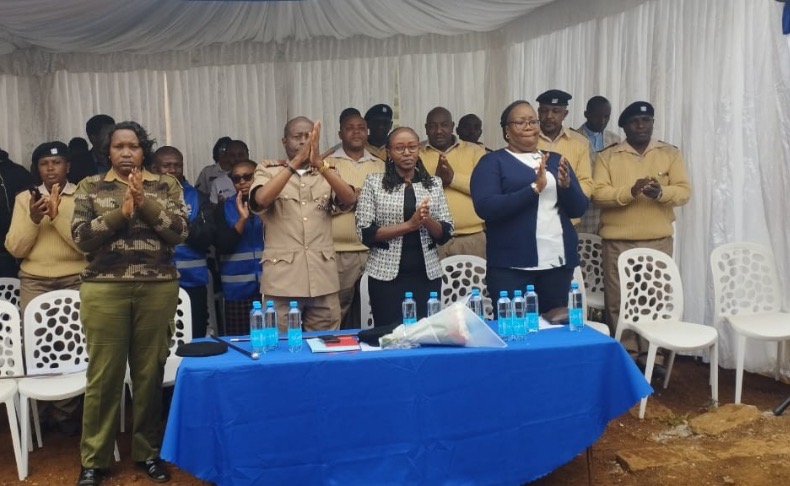
Speaking during the Day of the African Child celebrations at the Assistant County Commissioner’s (ACC) Grounds in Kikuyu , Deputy County Commissioner (DCC) Charles Laboso raised concern over rising teenage pregnancy rates.
In 2024, Kiambu recorded 3,496 cases, with most involving girls aged 13 to 17.
“Each case represents a dream interrupted,” said Laboso. “Teen pregnancy often leads to school dropout, child marriage, and lifelong social and economic challenges. We must act collectively to reverse this trend.”
The DCC called on parents, teachers, faith-based organizations, and local leaders to take an active role in child protection, including providing accurate information, monitoring children’s well-being, and ensuring perpetrators of abuse face justice.
“Child protection begins at home but must be strengthened by laws, education, and a vigilant community,” Laboso said.
Although the statistics are alarming, the real impact is deeply personal. “I had to leave school in Form Two after I got pregnant. My parents were heartbroken, and I’ve never returned,” shared 16-year-old Ann from Gikambura. Her experience reflects a broader crisis that disproportionately affects young girls from disadvantaged backgrounds.
Experts attribute teenage pregnancy in the county to poverty, peer influence, sexual abuse, and limited access to reproductive health education. In some areas, unsafe home environments further expose girls to exploitation.
Hon. Stella Kanyiri, representing the Kikuyu Law Courts, emphasized the need for deliberate planning and budgeting that places children at the center of development.
“We cannot talk about progress while 13-year-olds are becoming mothers,” said Hon. Kanyiri. “Preventing early pregnancy requires more than health services—it demands education, justice, and respect for dignity.”
She highlighted that nearly 30% of the national budget is allocated to health and education, supporting programs such as Inua Jamii, which are designed to cushion vulnerable children and keep them in school.
Despite government efforts, challenges persist. Law enforcement gaps, underreporting of abuse, and fear of stigma often hinder justice for affected girls. Many community members have called for stronger implementation of the Children Act and other protective laws.
A 2022 UNICEF report revealed that only 45% of teenagers in Kenya have access to reliable information on sexual and reproductive health—leaving many vulnerable to early pregnancy and exploitation.
Youth mentor James Njeru, who works with community groups in Kikuyu, called for comprehensive sexuality education and life skills training for both boys and girls.
“Knowledge empowers youth to make informed choices,” Njeru said. “When we invest in mentorship, we build a generation that values responsibility and dignity.”
The Day of the African Child was commemorated under the theme “Planning and Budgeting for Children’s Rights: Progress Since 2010.” The event featured performances, poems, and speeches by children advocating for protection, education, and inclusion in national development.
As the event concluded, leaders echoed a shared message: Ending teenage pregnancy will require stronger community engagement, effective enforcement of child protection laws, and intentional investment in children’s futures.
By Bilha Wesonga