A newly released study has exposed the harsh realities faced by women and girls in Narok County, highlighting widespread gender-based violence, entrenched harmful practices, and systemic failures in protecting reproductive health rights.
The study, carried out under the IMARA Project by WeWorld and ARCO–PIN, with support from the Italian Agency for Development Cooperation (AICS) and in collaboration with the Narok County Government, was officially inaugurated at a community event attended by stakeholders, officials, and residents.
The research encompassed all four sub-counties of Narok—Central, East, North, and South—and involved 671 survey respondents, along with 48 participants in focus groups and key informant interviews.
According to the report, 77 per cent of those interviewed believe that women should endure gender-based violence to maintain family unity.
Alarmingly, one in every two women knows someone who experienced physical abuse within the past year.
The study also found that Female Genital Mutilation (FGM) remains high, and nearly one in four respondents was aware of a girl who had undergone FGM in the past 12 months.
“These findings are a wake-up call,” said Caterina Arciprete, a researcher with ARCO’s Inclusive Development Unit. “They show that harmful practices continue despite progressive laws, largely because of ingrained social norms and limited community engagement.”
Although Kenya’s legal framework forbids FGM and child marriage, the report reveals that these practices continue in Narok, often concealed by cultural justifications or informal justice systems.
Out-of-school girls were especially vulnerable, often facing early pregnancy, forced marriage, and a lack of economic opportunities.
To address these challenges, the report proposes a multi-pronged approach, including the establishment of safe houses, strengthening of community reporting systems, improvement of menstrual hygiene services, and expansion of education and awareness campaigns in schools and at the community level.
It also emphasizes the need to involve local influencers such as teachers, health workers, and religious leaders in changing social narratives.
“Transforming gender norms begins with education and grassroots leadership,” added Arciprete. “Empowering youth and local champions is not just important — it is essential.”
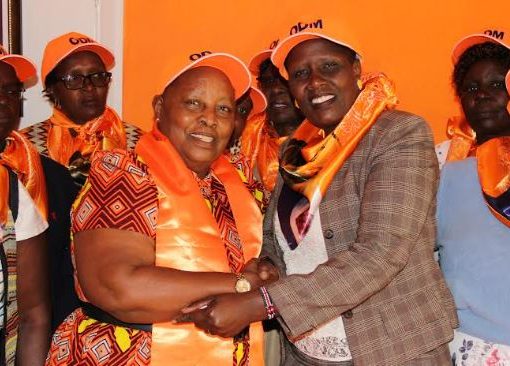
During the launch, Narok County Spouse of the Governor, Agnes Ntutu expressed her support for the study’s findings and called for collective action.
“This is not just a report — it is a call to action,” she said. “And it is a promise to the women and girls of Narok County that their dignity, safety, and future matter.”
The IMARA Project, which focuses on sexual and reproductive health rights (SRHR), will now work closely with county authorities and communities to translate the findings into targeted, evidence-based programming and policy reforms.
As the County struggles with long-standing cultural and structural barriers, this landmark study offers a roadmap for reform, placing the voices and rights of women and girls at the heart of the county’s development priorities.
By Lamech Willy.A