The Galana Kulalu Food Security Project is making significant strides, with major infrastructure and agricultural milestones recorded so far.
Water, Sanitation and Irrigation Cabinet Secretary Eric Mugaa made the remarks when he toured the expansive project located in Kilifi and Tana River counties to assess ongoing developments.
He was accompanied by the Principal Secretary for Irrigation, CPA Ephantus Kimotho, Irrigation Secretary Joel Tanui; and the Chief Executive Officer of the National Irrigation Authority (NIA), Eng. Charles Muasya, alongside other senior government officials.
“This project is a key pillar of the government’s Bottom-Up Economic Transformation Agenda (BETA). It demonstrates our commitment to sustainable agriculture and ensuring food security for all Kenyans,” said Mugaa.
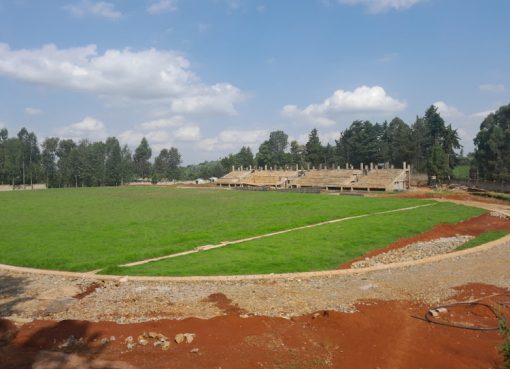
Key infrastructure developments observed during the tour, include the Galana bridge, which is currently at 50 percent completion.
Once finalized, the bridge will ease the movement of agricultural inputs and personnel across the farm.
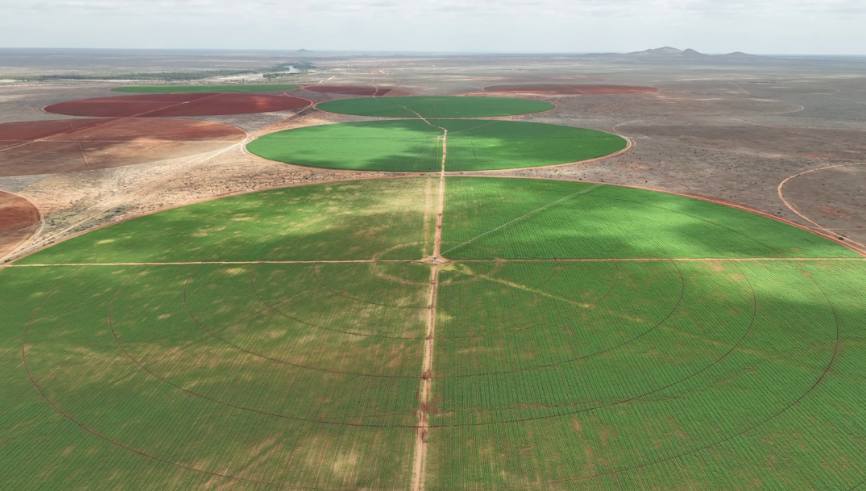
In addition, major water infrastructures have been completed including, a two-kilometer lined canal and a 550,000-cubic-metre reservoir. These facilities are already supporting the irrigation of seed maize.
The CS reaffirmed the government’s support for the initiative, stating that the Galana Kulalu project is central to Kenya’s long-term food security strategy.
“We are not just investing in infrastructure; we are investing in Kenya’s future. Galana Kulalu represents a bold step forward for agricultural transformation,” the CS emphasised.
The project, managed by the National Irrigation Authority under a public-private partnership framework, is envisioned to become a national food hub serving both domestic and regional markets.
“The water systems are fully functional and critical to the project’s success. They ensure reliable irrigation and allow for year-round crop production in this region,” noted NIA CEO Eng. Charles Muasya.
A private partner to the project, Selu Limited, has so far planted 1,060 acres of seed maize and the firm aims to increase coverage to 1,500 acres in the next three weeks, with a target of 3,200 acres by the end of the year.
The first crop, planted in May, is expected to mature by early October, with subsequent cropping cycles scheduled to ensure continued production.
By Stephen Mrira