Plans are in top gear to commence the construction of the second phase of affordable housing units in Bondeni within the Nakuru Town East Sub-County.
The Sh1.8 billion project comprising 799 housing units is expected to be completed in the next 18 months according to Nakuru County Director for Housing Mr Nicholas Ogajo.
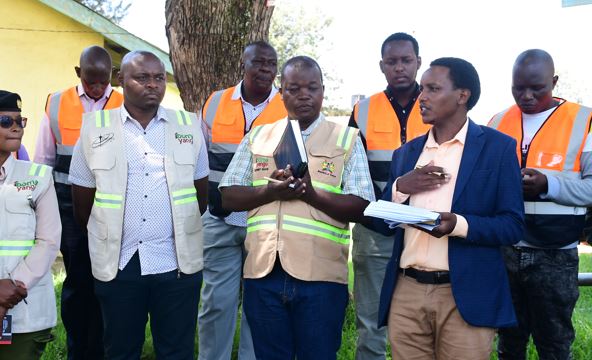
The Director spoke on Thursday when he handed over to the contractor the site which is located at Administration Police Unit lines within Bondeni ward.
The first phase of 605 housing units, comprising one, two and three bedroomed apartment units sitting on a seven-acre land was completed two years ago at a cost of Sh2 billion.
Mr Ogajo said the National Government had availed an 11-acre parcel of land for the second phase of the project and that the architectural drawings as well as all the necessary approvals were ready.
Many workers will be hired to offer services including masonry, plumbing, carpentry, electrical wiring, painting, landscaping, gardening, LPG reticulation, interior design, welding and metal fabrication, among others.
Beneficiaries will be assessed and certified through the Kenya National Qualifications Authority (KNQA)
The Director added that the construction would also offer job opportunities to youths in Nakuru County and urged the contractor who has two weeks to mobilize to use locally available materials and labour.
“Nakuru has plenty of sand and other building materials that can be used in the project. We also have artisans who can make good windows and doors for the project,” Mr Ogajo said.
He urged the contractor to deliver quality workmanship and work within the contract time lines.
The project will include a shopping centre, community hall, kindergarten, playground, borehole, secure boundary wall, backup generator, Cabro-paved driveways, green spaces, garbage receptacles and outdoor recreational areas for children.
Mr Ogajo disclosed that so far in Nakur over 20,000 low-cost housing units worth Sh46 billion had been constructed under the Affordable Housing Program (AHP).
The Director indicated that investments in the affordable housing program were creating a multiplier effect where direct and indirect benefits to the country include job creation, improved health and safety and increased household resilience.
He stated that the affordable housing program is designed to ensure that low-income earners are able to own homes through the National Tenant Purchase Scheme or rent-to-own payment options.
Mr Ogajo noted that the right to housing is enshrined in Kenya’s Constitution under article 43 (1) (b) which stipulates that all the citizens have the right to accessible and adequate homes and to a reasonable standard of sanitation.
He said the affordable housing project was promoting economic recovery by linking Micro, Small, and Medium Enterprises, and Jua Kali sector as suppliers of various inputs such as hinges, doors, and windows among others, to housing projects.
Nakuru is among 23 counties that have provided land for the affordable housing programme. It has been grappling with housing shortages for years. There is a shortfall of both residential and commercial units.
According to the 2024 Kenya National Bureau of Statistics (KNBS) report, Nakuru requires at least 10,000 housing units annually to meet the current demand. However, only about 3,000 units are available, creating a shortfall of 8,000 units.
The project is part of plans by the government to construct more than 50,000 low-cost housing units in Nakuru within the next 10 years.
The Director indicated that to realize the delivery of adequate, decent, affordable and sustainable houses across the country without burdening the already overstretched national budget and debt levels, the Government has extensively leveraged private sector participation to fund the development of projects.
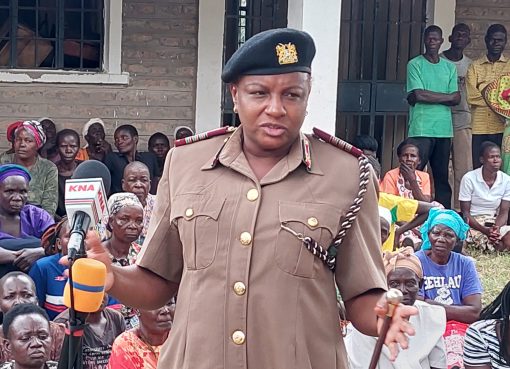
Municipality Senior Assistant County Commissioner Ms Veronica Musyoka said adequate security measures had been put in place for the project.
Ms Musyoka noted that residents will be economically empowered as national and county governments will be awarding tenders for construction materials to small and midsize enterprises (SMEs) instead of importing them.
According to official records, the annual demand in Kenya for affordable housing for the middle- and low-income earners was 170,000 units, a situation that has been worsened by official policy misalignments, outdated building code and low number of housing mortgages in the country.
Due to rapid urbanization, the State came up with National Housing Policy 2016 and National Slum Upgrading and Prevention Policy 2016. The 2024 Draft Affordable Housing Regulations was meant to operationalize the Affordable Housing Act 2024.
Official records state that the rapid urbanization rate was resulting in average national annual housing demand estimated at 250,000 units.
The average national annual housing supply is approximately 50,000 housing units, leading to a deficit of about 200,000 housing units per year and a cumulative backlog of 2 million housing units.
Ms Musyoka observed that skilled workers who will be engaged to the project will also get an opportunity to be registered and accredited under the National Construction Authority (NCA)
She announced that the registration under NCA will enable skilled workers to secure jobs in other government or private construction projects in and outside Kenya.
An official from Nakuru-Town East Member of Parliament’s office Mr Naftali Nyambegera pointed out that the project will be a centre for technology transfer that will empower workers and residents.
He thanked the national and county governments for awarding tenders for construction materials in AHP to small and midsize enterprises (SMEs) instead of importing them.
By Jane Ngugi and Dennis Rasto