The County Government of Nakuru is reviewing both its Waste Management Act of 2021 and the county’s Waste Management Policy Framework to help identify existing gaps and develop new policies that are comprehensive, enforceable, and aligned with modern challenges.
County Executive Committee Member (CECM) for Water, Environment, Climate Change, Energy and Natural Resources, Dr Nelson Maara said that some of the gaps flagged in both the legal and policy frameworks were in the implementation phase and included capacity, financial and enforcement challenges.
The CECM indicated that at the core of proposed amendments to the two documents was promotion of circular economy practices for green growth through inculcation of responsible public behavior in waste management.
He added that the ultimate goal in the legal and policy framework review was to have a clean and healthy environment and create job opportunities in the green economy.
Dr. Maara went on to say that the adjustments in the documents would promote a transition that involves citizens actively participating in waste management by segregating waste at the source, using designated bins for different waste types and recognizing the value in discarded materials.
He further explained that the documents were rooting for a circular economy approach to waste management, which ensures that almost all the waste generated is treated as a resource so that there is nothing, or very little waste is taken to the dumpsite.
“This is not just another attempt at a clean-up campaign. It’s a strategic shift, an environmental and economic revolution. We are redefining waste and turning it into opportunities, particularly for our young people,” the CECM said.
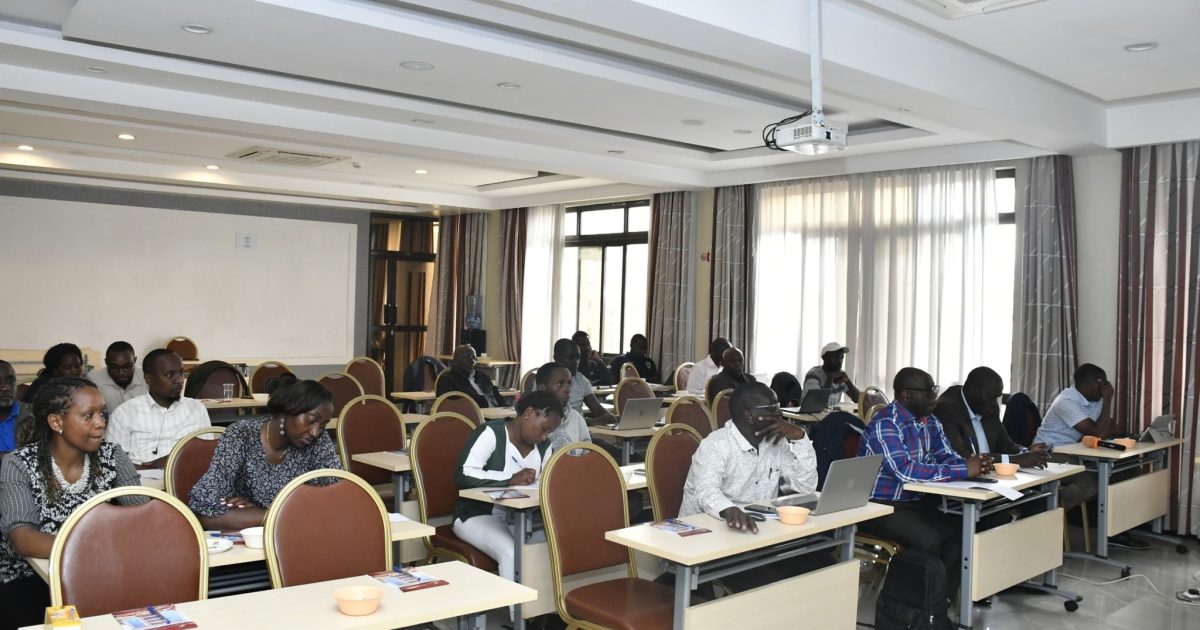
The CECM made the remarks during a stakeholder’s workshop to review the two documents in an event that brought together various professionals including legal experts, media practitioners, environmental specialists, civil society groups and private sector players.
The County official pledged that they would integrate all stakeholder perspectives and views from public participation forums to fuse inclusive and effective solutions into the documents.
He emphasized the importance of updating the current legal and policy frameworks to respond to the dynamic environmental challenges the county faces saying that the proposed legal and policy structures promoted innovation and harmonized the County’s waste disposal regulations with global frameworks like the Sustainable Development Goals (SDGs) and the Paris Agreement.
The review, he added plays a critical role in ensuring environmental policies remained relevant and responsive to emerging needs adding that the outcome of the review exercise was expected to enhance Nakuru County’s environmental governance and set a benchmark for sustainable waste management practices in the country as a whole.
He noted that effective waste management was critical not only for environmental conservation but also for public health and sustainable development.
“This review is not just a legal obligation; it is a strategic step to improve our urban hygiene, reduce pollution, and create green jobs through circular economy models,” said Dr. Maara.
The CECM underscored the importance of actively embracing technology-driven solutions to transform waste into economic empowerment and environmental conservation opportunities.
He said by investing in modern solid waste disposal, wastewater treatment, responsible waste management policies, and circular economy initiatives, the County would be creating a more sustainable future that benefits both people and the planet.
If the new legal and policy frameworks are approved, waste will be segregated, that is putting organic waste separately, plastic waste separately, hazardous waste separately and each put in clearly marked colour-coded bins or bags.
He nevertheless added that Nakuru had made some progress in the shift towards a circular economy where a number of start-up recycling companies were turning plastic waste into products like plastic poles, bricks, egg trays and carpets.
Dr Maara said a review of waste management and its policy framework was essential to address modern challenges like increased waste generation due to urbanization and industrialization, inadequate infrastructure and environmental concerns.
He emphasized the importance of adapting the legal and policy framework to address rapid urbanization, population growth, and technological advancements.
The CECM noted that waste, when managed effectively, could be a valuable resource for producing energy, creating compost, and recovering materials for recycling. Investing in modern waste management technologies and infrastructure, he said, could create new jobs and business opportunities in the waste management sector.
He reiterated the County’s commitment to aligning with national and global environmental goals, especially in enhancing circular economy principles and community involvement.
Past inventories estimate that 60 percent to 70 percent of waste generated in Nakuru is organic, 20 percent plastic, 10 percent paper, 1 percent medical waste and 2 percent metal.
Unfortunately, most waste is mixed together and taken to dumpsites or left uncollected, clogging waterways, attracting disease-causing vectors and polluting the environment.
Some of the reasons for littering according to Dr Maara was because the items were considered to be of little value. Further the people’s attitude while littering, he added was that the county government would clean it up and dispose of it appropriately.
Dr Maara stated that as the scale of urbanization surges, waste management was increasingly posing growing socio-economic, environmental and institutional challenges in Nakuru prompting the devolved unit’s administration to consider reviewing both its legal and policy documents.
Key focus areas for the review included waste collection, disposal, recycling, climate change adaptation, and incorporating circular economy principles.
Director for Environment and Climate Change Ms Grace Karanja pointed out that new waste streams (e.g., electronic waste, microplastics) and evolving technologies required updated regulations.
She stated that the proposed changes root for circular models that prioritize the reuse and recycling of materials, reducing the need for extraction of new resources. Reducing waste volumes and promoting recycling the Director indicated can lead to significant cost savings for counties through reduced waste management expenses.
“The circular economy creates opportunities for new jobs across various stages of the waste management value chain, such as collection, sorting, recycling, and processing,” stated Ms Karanja
She noted that the review marked a crucial step in reinforcing policy frameworks and practical actions that safeguard the environment while creating green jobs.
In his presentation on behalf of the Kenya Climate Innovation Center (KCIC), Mr Vincent Okaya underlined the role of innovation and entrepreneurship in transforming waste management practices.
He reiterated KCIC’s commitment to supporting climate-smart solutions that benefit both the environment and local communities.
“The Kenya Climate Innovation Center continues to provide technical and financial support to eco-enterprises across the county. This includes initiatives in composting, plastic recycling, clean energy, and green manufacturing,” Mr Okaya noted.
He pledged that KCIC would continue working with county governments in building sustainable systems that are community-driven.
By Esther Mwangi and Lucy Mukui