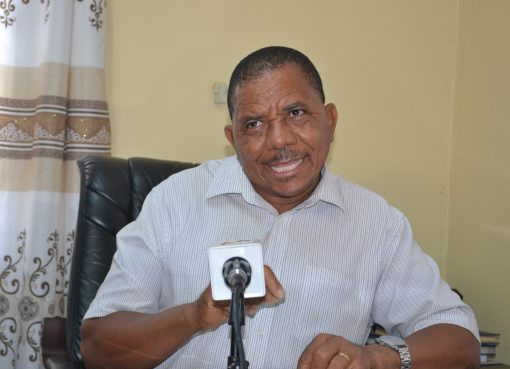
Maseno University Vice-Chancellor Prof. Julius Omondi Nyabundi has cautioned university students across the country to be wary of criminal elements seeking to lure them into anti-social behavior, radicalization, and crime.
Addressing 8,000 first-year students at the institution’s main campus, Prof. Nyabundi noted that universities remain prime targets for radicalisation and terrorist recruitment, warning students against entertaining unsolicited offers from strangers or peers.
“Remain vigilant and take care of yourself. Repulse and report any suspicious approaches, as continued engagement may lead to dangerous and irreversible consequences,” he advised.
The VC also warned against irresponsible behavior such as moving around late at night, attending disco matangas, watching late-night football in insecure neighbourhoods, associating with drug peddlers, or entering toxic relationships.
He urged students to look out for peers exhibiting sudden changes in lifestyle, behavior, or unexplained wealth and report such cases to the Directorate of Student Affairs.
Citing past cases of female students killed in toxic relationships, including the murder of Multimedia University student Silvia Kemunto in April 2024, Prof. Nyabundi emphasised the need for vigilance and responsible conduct.
The VC advised students to adhere to the university’s rules and regulations, describing them as a “guide to success” and a substitute for the parental and community oversight they previously had.
He encouraged students to seek guidance from counselors, avoid destructive company, and foster peer support.
“Be your brother’s or sister’s keeper. This is your chance to make lifelong friends who will be invaluable in your future,” he said.
Prof. Nyabundi, who also chairs the Kenya National Examinations Council (KNEC), underscored the university’s commitment to expanding infrastructure and providing quality academic mentorship through highly trained staff.
He further urged students admitted under the new higher education funding model to remain focused, apply for government scholarships and HELB loans, and seek support from a help desk set up under the Directorate of Student Affairs.
The VC also acknowledged challenges posed by the New Higher Education Funding Model (NHEFM) introduced in 2023, which linked funding to student need rather than institutional block grants. He noted that while the model aimed to ease pending bills in public universities—currently standing at Sh85 billion—it had faced criticism for leaving out needy students while favoring undeserving ones.
Kenya is expected to unveil a new funding model in September 2025 to replace the NHEFM, which has sparked controversy and legal challenges since its inception.
Prof. Nyabundi further warned students against joining unlawful strikes and demonstrations, urging them to channel grievances through established mechanisms, including the offices of Student Affairs, school deans, and the Deputy Vice-Chancellor in charge of academics.
By Mabel Keya-Shikuku