The State Department for wildlife through the Wildlife Research and Training Institute (WRTI), Kenya Wildlife Service (KWS) and other partners have kick started a data compilation of the comprehensive 2nd National Wildlife Census (2024-2025) report that will inform policy and management.
After a 12-month successful field data collection that has been concluded by the WRTI throughout the country, the report is at a critical stage of in-depth data analysis that will integrate all data sets, and key players are currently compiling the final National Wildlife Census comprehensive report to be released in September 2025.
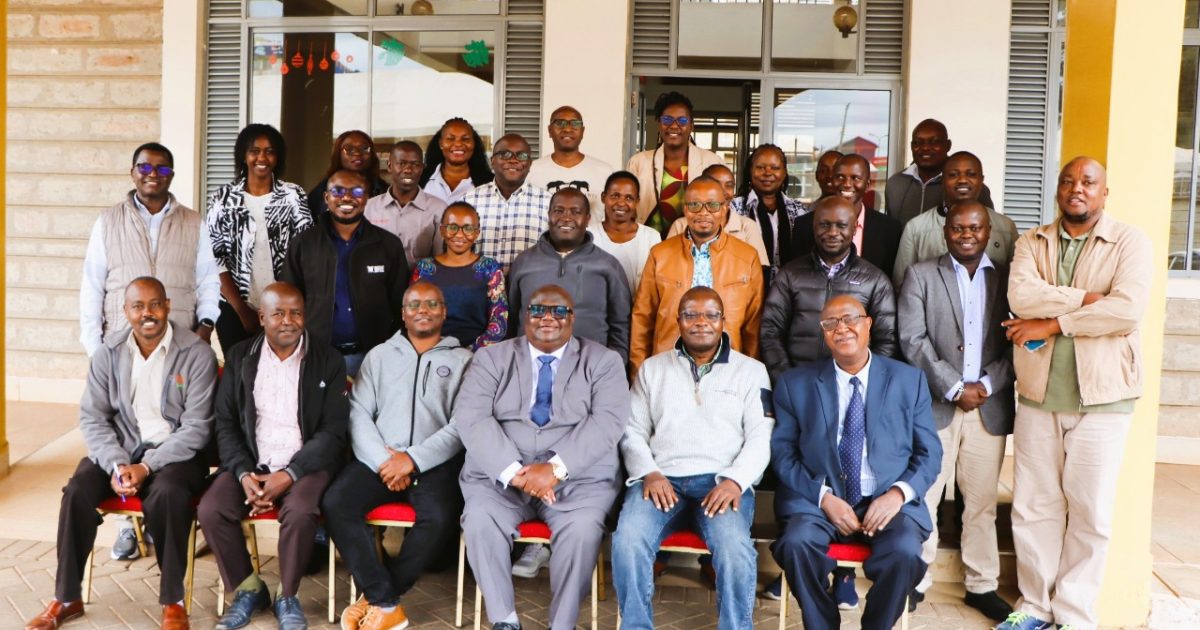
WRTI Director Dr. Patrick Omondi who spoke at Machakos University during the report writing session with the technical teams, said the report that started last year in June not only to aims to update the current population status of wildlife but to also showcase historical data of wildlife trends in Kenya and the status of endangered species that will bring forth the required intervention and resource allocation.
“This longtime outlook will be invaluable in helping policy makers, conservation agencies and communities understand population changes overtime and implement proactive measures,” said Dr Omondi.
He added that to ensure the National Wildlife Census 2024/2025 report is comprehensive, scientific and rigorous and is aligned to the Bottom-Up Transformative Agenda (BETA), it will integrate wildlife data from multiple agencies and organizations.
Dr. Omondi emphasized on the anticipated National Wildlife Census report being a reference report that could be used by international entities and conservation partners who are big consumers of the data and encouraged them to update their databases accordingly.
“Ultimately, this report will be a strategic tool that empowers government, conservancies and community-based organizations with real time credible data,” declared the WRTI Director.
Consequently, to enrich the wildlife census report for 2024/2025, he noted that the report would include findings from independent scientific studies on priority species such as elephants, rhinos, lions, giraffe, gravy zebra, roan antelopes and mountain bongo so as to have a comprehensive tool for conservation and policy development.
He commended the key players and partners such as KWS, Kenya Forest Service (KFS), Department of Resource Surveys and Remote Sensing together with the pilots, ground crew, data crew and front and rear seat observers for their professionalism and dedication towards the success of the national Wildlife census 2024/2025.
The census was conducted in two phases with the first one covering Masai Mara ecosystem, Amboseli-Magadi ecosystem, Naivasha-Nakuru ranches, Mwea National Reserve, Solio Conservancy, Ruma and Nakuru National parks.
The second phase covered Laikipia –Samburu –Marsabit- Isiolo ecosystem, Tsavo ecosystem, Nasalot in Turkana County, Garissa- Wajir counties, Lamu, Tana River ecosystem, Shimba hills National Reserve, Sibiloi and Lake Turkana national parks.
To monitor wildlife population, habitats and migration patterns, National Wildlife census is done every three years in Kenya and the last one occurred in 2021 where the census recorded an increase in special species in lions, giraffes, elephants, gravy zebras and rhinos.
By Anne Kangero