The transformation of Homa Bay’s informal settlements is taking shape as the Sh1.4 billion Kenya Informal Settlements Improvement Project (KISIP 2) gathers momentum.
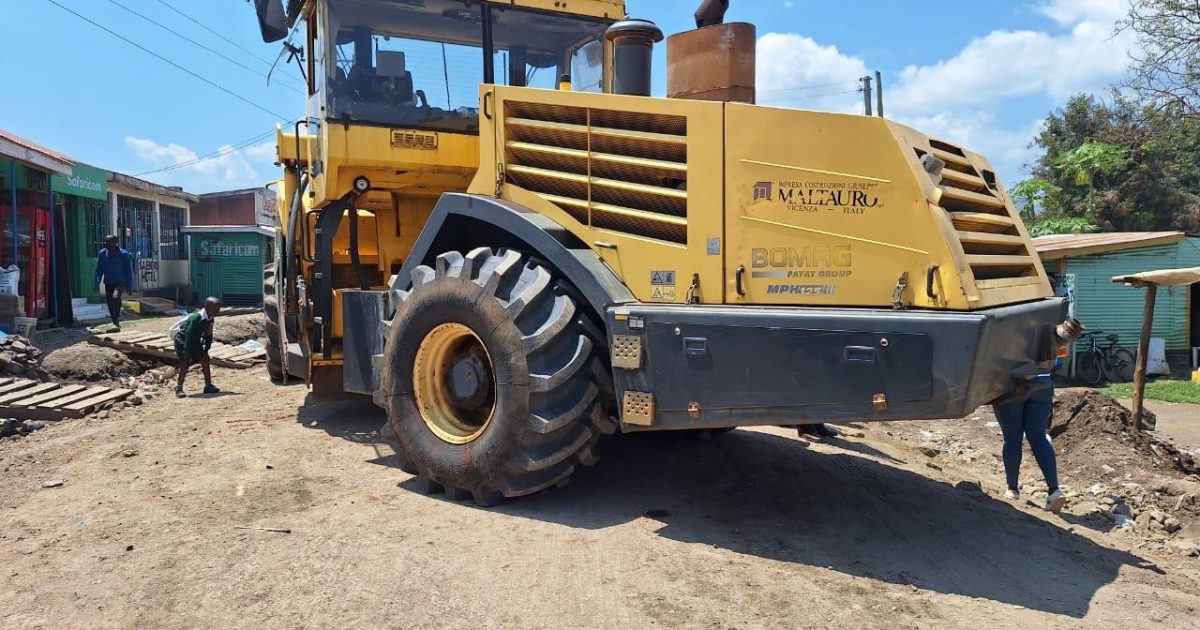
Across six settlements; Shauri Yako, Makongeni, Sofia, Nyandiwa, Rusinga Old Town, and A Thousand Streets, scenes of heavy construction machinery are abound.
Roads that were once narrow, muddy tracks have been opened and upgraded, creating vital links to the wider town’s economy.
Drainage systems have been opened to address the constant threat of flooding. Steel tanks have been erected to guarantee residents a steady supply of clean water.
Solar-powered streetlights and towering high masts now illuminate spaces that were once plagued by insecurity, turning them into safe zones where businesses can thrive even after nightfall.
Modern ablution blocks and newly constructed vending platforms are enhancing sanitation and opening up new business opportunities.
The results are already being felt on the ground. Residents speak of safer neighborhoods, improved livelihoods, and a growing sense of pride.
For 28 year old Mary Atieno, a mother of two in Shauri Yako, the vending platform has been a game changer. She recalls how selling vegetables by the roadside often meant struggling against dust, rain, and constant harassment.
Today, with a proper stall, she serves her customers in dignity, her income has doubled, and she can finally save for her children’s education.
The project has also injected new life into the local economy through its labor-intensive approach.
Hundreds of youth and women have been hired to take part in construction activities, from laying concrete on roads to masonry.
This not only provides short-term jobs but ensures that residents themselves are part of the effort to rebuild their neighborhoods.
Once clouded by concerns over delays and slow implementation, the project’s journey has not been without challenges.
Earlier on, land disputes, delays in contractor mobilization, and breakdowns of critical machinery slowed progress. Yet with stronger oversight, improved grievance redress mechanisms, acquisition of additional equipment, engaging extra personnel and extension of working hours, these hurdles have been addressed.
The project is now firmly back on track, delivering visible change that is reshaping lives and restoring hope across communities.
A brief delay in project implementation was occasioned by pending processes at the National Assembly, which were necessary to approve the disbursement of funds to counties and provide a legal and regulatory framework for their utilization.
With the legislation now passed and funds secured, the Homa Bay KISIP 2 works are firmly back on course.
The County Project Coordination Team (CPCT) is confident it will deliver the remaining works ahead of the December 5, 2025 deadline.
In recent weeks, the CPCT intensified inspections to assess progress of works, and convened strategic meetings with Settlement Executive Committees (SEC) and Grievance Redress Committees (GRC) to update residents on project progress and gather additional requests for consideration.
Speaking during one of the stakeholder briefings, the County Project Coordinator, Norsea Bayer reiterated the commitment of the County to ensure the delivery of the project within the stipulated timeline.
“We have overcome the initial hurdles, and the work is now moving forward with speed. By the time we are done, our informal settlements will be more connected, more secure, and more resilient,” she said.
She noted that the Informal Settlements in Homa Bay were previously characterized by scenes of squalid living conditions, poor lighting, high crime rates and undignified trading spaces.
“What we’re now witnessing is improved living conditions, reduced crime, enhanced lighting and dignified trading spaces,” she added.
Bayer said as the projects advances to its closure phase, the results were being felt.
“Beyond roads, lights, and drains, the project is about dignity, empowerment, and transformation, turning once-forgotten settlements into livable, inclusive, and safe urban spaces,” said the coordinator.
For thousands of families in the six settlements, KISIP 2 is no longer just a promise, but a new reality.
KISIP 2 is funded by the World Bank, the French Development Agency (AFD), and the government of Kenya, with the county government of Homa Bay supervising the implementation.
By Davis Langat