A team of international neurosurgeons and specialists has arrived in Kisumu for a 10-day surgical camp at Jaramogi Oginga Odinga Teaching and Referral Hospital (JOOTRH), where dozens of patients with brain and spine complications are set to undergo life-saving operations.
The medical mission, organised under the Kisumu Neuroscience Initiative, kicked off with earnest on Monday and will run until September 18.
It brings together neurosurgeons, anaesthesiologists, nurses, and other support staff drawn from various countries.
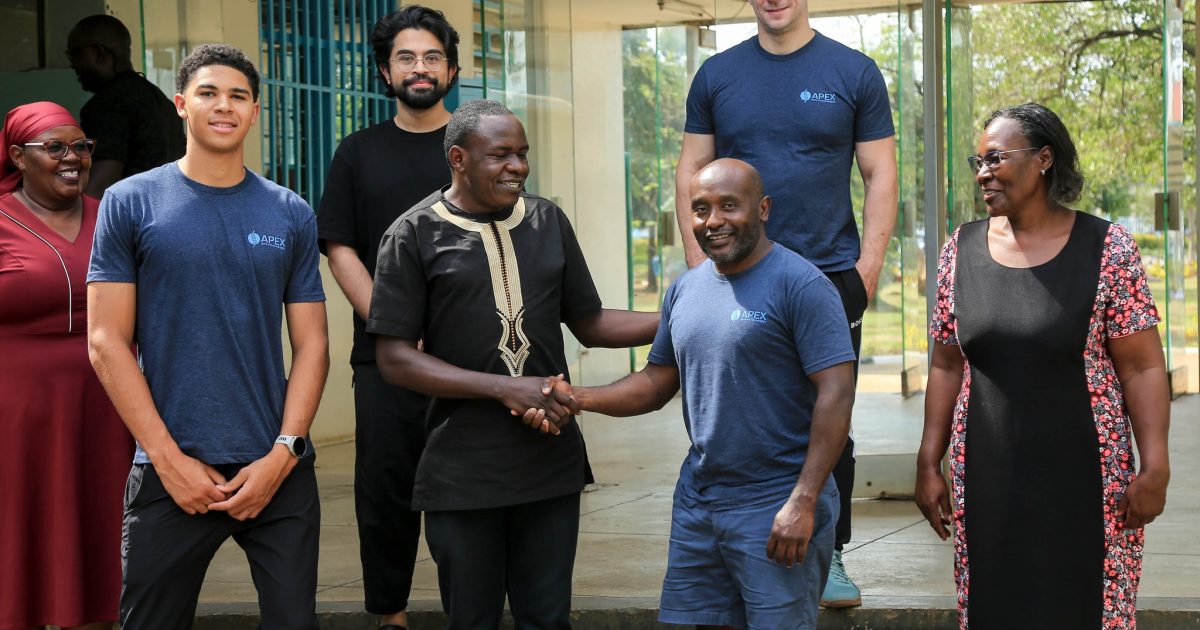
The delegation was received at JOOTRH by a team of local health officials led by orthopaedic and spine surgeon Dr. Walter Adero and Deputy Director of Nursing Betty Onyango.
Among the visiting specialists is Dr. Bethwel Raore, a US-based neurosurgeon whose global medical missions have been instrumental in shaping collaborations in Kisumu.
JOOTRH Acting Chief Executive Officer (CEO) Joshua Okise welcomed the doctors, describing the camp as a vital intervention in a region where neurosurgical care is almost out of reach.
“There is currently only one neurosurgeon serving the entire Nyanza region, making access to care extremely limited. This camp is a game changer for families who would otherwise never afford these complex procedures,” he said.
The CEO revealed that patients earmarked for surgery have already been admitted at JOOTRH and prepared for theatre.
“Our staff have conducted the necessary investigations to ensure operations can begin smoothly. For many of these patients, this is their only chance at receiving care that would otherwise be out of reach,” he added.
Since its inception, the Kisumu Neuroscience Initiative has transformed JOOTRH into a regional hub for advanced neurosurgical care.
In the past five years alone, the camps have facilitated more than 600 surgeries and thousands of outpatient reviews.
Patients with conditions such as brain tumours, congenital spinal defects, traumatic brain injuries and degenerative spine diseases have been treated at little or no cost, offering relief to families who would otherwise spend millions of shillings seeking similar services abroad or in private hospitals.
In last year’s camp, JOOTRH reported over 70 successful operations, including the delicate removal of brain tumours in children.
The programme also saw dozens of patients fitted with spinal implants, restoring mobility and independence.
Hospital officials say the ripple effect of these interventions is visible across the community.
“We have seen children go back to school, breadwinners return to work, and families spared the financial ruin that often follows prolonged illness,” said Dr. Adero.
Beyond patient care, the camp will also offer an important training ground for local doctors, nurses and medical students.
Procedures will be conducted as live demonstrations, with visiting specialists mentoring JOOTRH teams in surgical techniques, anesthesia, and post-operative care.
“Each mission leaves behind a stronger, more confident team. This ensures continuity of care even after the visiting doctors depart,” Dr. Adero explained.
The initiative will also embrace telemedicine, allowing JOOTRH specialists to consult with their counterparts abroad on complex cases long after the camps are over.
By Chris Mahandara