A growing appetite for the Sacred Ibis bird, locally known as Ng’ang’a, in Seme Sub-County has raised alarm among conservationists and health experts, who warn that the practice threatens biodiversity and could expose consumers to serious health risks.
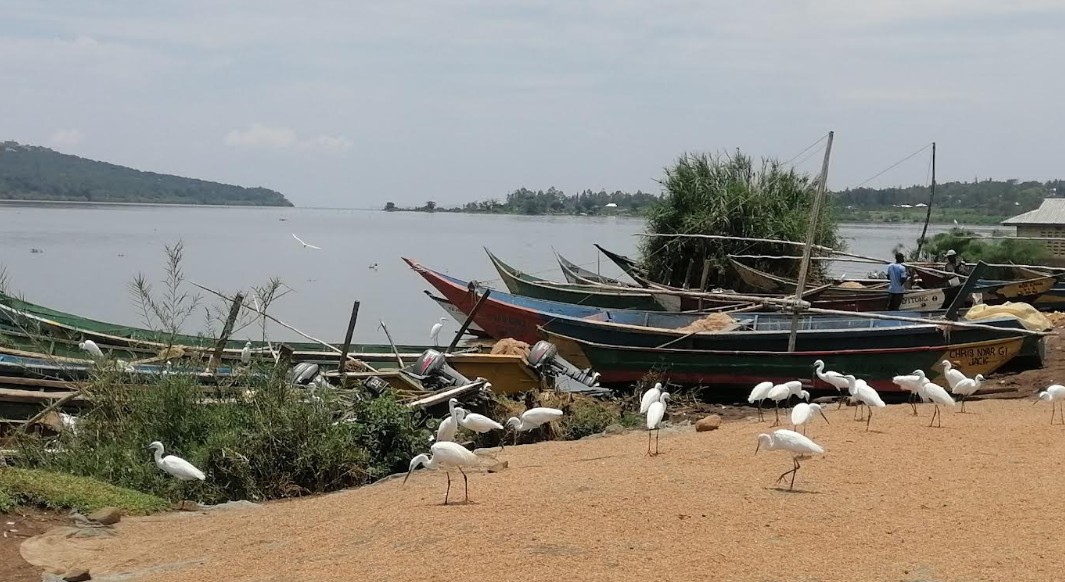
The bird, a wader often seen at wetlands along the shores of Lake Victoria scavenging for insects, fish and scraps from garbage heaps, plays a crucial ecological role yet its numbers are declining as residents increasingly hunt it for food.
At Bao Beach, the trade in Ibis meat is thriving, with makeshift eateries turning the once-overlooked waterbird into a daily delicacy.
“Sacred Ibis is very delicious. I just tasted it once and got hooked. Now I prepare two to three birds daily, but recently we were cautioned by the Kenya Wildlife Service (KWS) against cooking the birds,” said Grace Adhiambo, a hotel owner at Bao Beach.

A plate of Ng’ang’a served with ugali goes for Sh200 at eateries, while bird catchers earn about Sh50 for every kill.
Adhiambo said demand has surged since the dish was introduced earlier this year, attracting both locals and curious visitors.
Damaris Adhiambo, a regular consumer, said the bird’s availability and fatty meat have made it popular across Seme’s beaches.
“The birds live with us here on the lake. At only Sh50, it is delivered to the beach hotels,” she said. “It has a lot of fat, so you don’t even need cooking oil. When I first tasted it, I thought I’d fall sick but as you can see, I’m very healthy. Now I’m used to eating it.”
However, conservationists and wildlife officials say the growing consumption of Ibis meat could have dire consequences for Kisumu’s fragile wetland ecosystems.
According to Hesbon Okoth, a conservator with Friends of Dunga, a community-based organisation advocating for wetland conservation, the Ibis helps control insect populations and acts as a bioindicator of climate change.
“When people eat these birds, they are not just harming biodiversity; they are also exposing themselves to potential health risks because these birds also eat insects and scavenge on garbage that can transmit infections,” he said.
The practice, he added, was a threat to food security since the birds, which play a critical role in insect control, have reduced in number.
“Soon farmers will start complaining because we expect to see all manner of insects invading farms along the lake’s shoreline,” he said.
In an interview with KNA, Okoth warned that the new fad fuelled by dwindling fish stocks in Lake Victoria was undoing years of conservation work at the Dunga Swamp — a designated Important Bird and Biodiversity Area (IBA) — and along the Lake Victoria wetlands that serve as key stopover points for migratory bird species.
“Kenya hosts more than 1,100 bird species, including about 35 migratory species that come from Asia, Europe and South Africa. When tourists come for birdwatching and find these birds missing, we lose ecotourism revenue. Tourism is the backbone of Kisumu’s economy,” he said.
As Kenya marks World Migratory Birds Day, which is observed on the second Saturday in May and the second Saturday in October, Friends of Dunga, in partnership with Nature Kenya, plan to intensify awareness campaigns to discourage the eating of waterbirds and promote ecotourism as an alternative livelihood.
Okoth said the group, which also monitors bird populations through nine transects across Kisumu, has planned to conduct a census of Ibis birds along the Kisumu shoreline to track early signs of biodiversity decline.
“As Kisumu joins the world in marking World Migratory Bird Day under the theme “Protect Insects, Protect Birds”, we are calling for renewed public commitment to safeguard wetlands like Dunga and the Lake Victoria shoreline — not just for birds, but for the communities that depend on them. God created everything in balance. If we protect the birds, they will protect us,” he said.
Pauline Okode, the Warden in charge of Ndere Island National Park, said the Sacred Ibis was a protected species under the Wildlife Conservation and Management Act, Cap 376, yet many were being slaughtered outside the protected areas.
“Birds cannot understand that they are out of the protected zone and vulnerable to attacks and danger. That is why we are witnessing what is happening in Seme today,” she said.
Okode cautioned residents to stop eating the wild birds, saying the habit was not only a threat to the ecosystem but also to tourism, which benefits greatly from birdwatchers visiting Kisumu.
She said KWS was seized of the matter and warned that those involved in hunting down or selling the birds will face the full force of the law.
“The practice is illegal. Even for those permitted to keep guinea fowls, they do not have authority to slaughter them. Once the birds multiply, they must seek clearance from KWS,” she said.
By Chris Mahandara