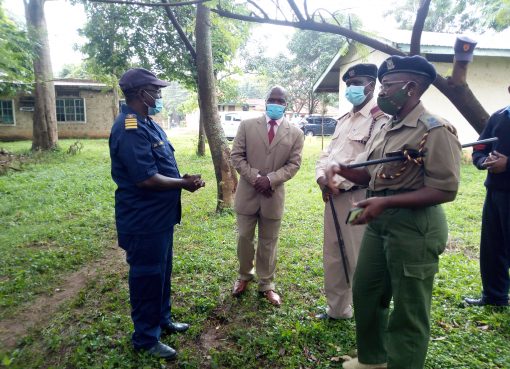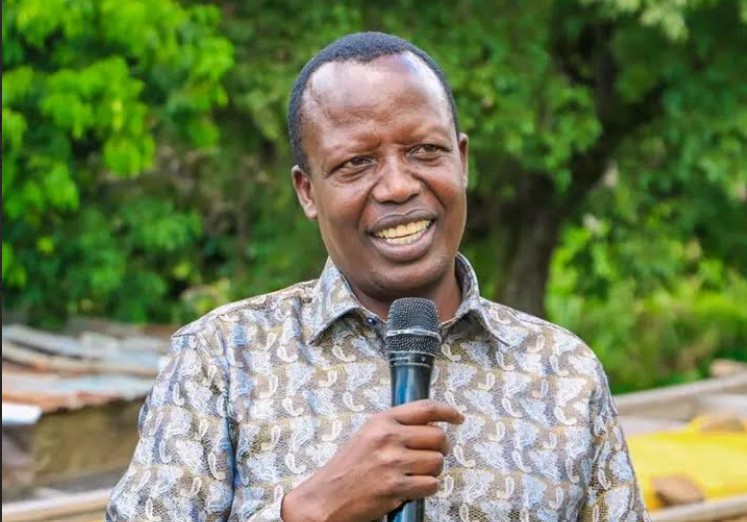
Kipsiele Farmers’ Cooperative Society management committee in Songhor Soba ward has been put on notice to embrace transparency and accountability or risk removal.
Tindiret Member of Parliament (MP) Julius Melly urged the cooperative leadership to adopt reforms and farmer empowerment to take the society to the next level.
Speaking on Friday during the Society’s general meeting attended by hundreds of cooperative members and local leaders, the MP congratulated the cooperative for bringing members together but warned that farmers could no longer afford to be passive.
He challenged them to rise above complaints and take active roles in demanding accountability from their leadership.
“Too many times, we see farmers complaining about delayed payments, mismanagement, and lack of accountability,” he said. “But change does not come by mere complaining; it comes when you stand up, lead, and demand nothing short of integrity from those you elected to run your affairs.”
Melly highlighted the major issues facing the agricultural sector in the region, including unpredictable markets, unreliable weather patterns, weak extension services, and exploitation by middlemen. He reiterated that unless cooperatives streamlined their own internal operations, external support and reforms would have little lasting impact.
“I will marshal resources — within my capacity as your MP — to link this cooperative to markets, agronomy services, input suppliers and financial institutions,” he promised. “But I cannot do that for you — you must show me governance, transparency, and only then will investors and institutions believe in you.”
Melly also raised concerns over the growing practice of direct payouts to farmers from buyers or government institutions, bypassing the cooperative system. While these might seem efficient, he warned they threaten the collective strength and bargaining power of farmers.
He stated that bypassing the cooperative structure is tantamount to foregoing their own power. He reminded them that they are supposed to hold the buyer to account and ensure fair pricing, arguing that cooperatives exist precisely so that farmers have collective strength.
The legislator concluded with a call for action, urging the registration of all farmers under the cooperative, the creation of audit committees, and strict enforcement of cooperative by-laws. He vowed to raise these demands in Parliament if grassroots change is not initiated.
Kipsiele Society Chairman, Samuel Kiprono, acknowledged the challenges the cooperative had faced, including mismanagement and declining trust, but stressed that change was possible and necessary.
“Fellow farmers, I stand here not to defend the past; many of us know the records, the arrears, the irregularities,” Kiprono said. “But I also stand here to say we deserve better, and we can deliver that better.”
He reminded the members that the cooperative was founded decades ago by their forefathers with a clear mission: to pool resources, access credit, negotiate markets, and uplift the community. That mission, he admitted, had been derailed by autocracy, nepotism, poor accounting, and political interference.
“But now is the time to recalibrate,” he stated. “I am calling on all members to insist on published audited accounts, to elect leaders transparently, to demand quarterly forums with management, and to hold leaders accountable. If any leader fails, we must remove them — without fear or favour.”
He called for the cooperative to engage with extension officers, agronomists, market networks, and government support systems, warning that waiting for outside intervention would not solve internal issues.
“Reform must start at home, with each one of you,” he said. “I pledge today to work with the MP, with county extension officers, with financial institutions, to seek technical support and market linkages, but only if the members commit to clean governance.”
Kiprono proposed the adoption of a “governance pact” that would bind all cooperative officers and members to principles of transparency, integrity, accountability, and shared purpose.
For Melly, who has built a reputation for speaking candidly on matters of education, public finance, and rural development, the occasion marked a new front in his campaign for reform.
By Sammy Mwibanda