As Kenya joined the rest of the world in marking Global Handwashing Day on Wednesday, the government and other education stakeholders have been urged to adopt modern construction techniques that promote hygiene and efficient water use in schools.
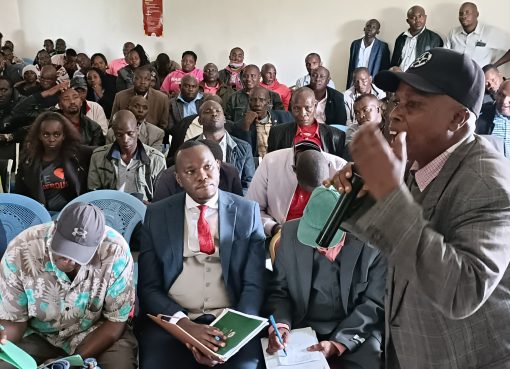
The event, held at Kirimiri Primary and Secondary Schools in Maragua Constituency, Murang’a County, brought together leaders, public health experts, and development partners, who emphasized the need for continuous hygiene education in learning institutions to reduce the spread of preventable diseases.
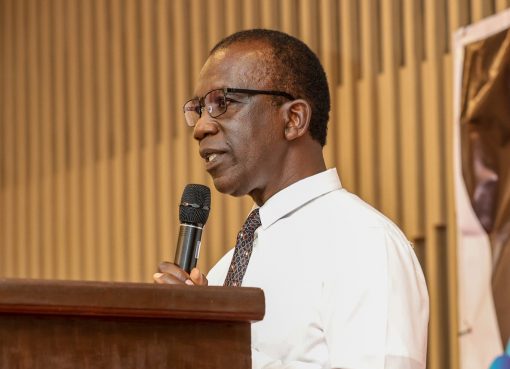
One of the key facilitators of the drive, Spanish medical expert Dr. Victorio Torres, said the event served as a reminder that sanitation and hygiene were inseparable, and that sustainable hygiene habits begin in schools.
“It is highly effective to combine sanitation and hygiene so as to comply with the World Health Organization (WHO) standards, which recommend washing hands with soap and running water for at least twenty seconds,” he said,
“We can now see toilets that are comprehensive in terms of hygiene and sanitation as the setup is modern with soap dispensers firmly attached to the wall and push-up taps that minimize water wastage. We want what is learnt in schools to go into the community as well, Dr Torress said.
He emphasized that diseases such as typhoid, cholera, diarrhoea, COVID-19, pneumonia, and intestinal worm infections could all be traced to poor hygiene and sanitation practices.
According to him, promoting proper handwashing could save thousands of lives and reduce the burden on the health system.
“Deworming alone is not enough because we are treating someone who is already infected. The real solution is prevention so as to stop infections before they begin through proper hygiene,” he cautioned.
Spanish Ambassador to Kenya H.E. Jaime Moreno applauded the collaboration between Kenya and Spain, describing it as an important step in strengthening medical diplomacy, boosting local infrastructure, and supporting Kenya’s goal of achieving universal health coverage.
“This partnership goes beyond hygiene. It is a bridge of friendship between our countries and one that contributes to better health, education, and even economic growth,” said the envoy.
Maragua MP Mary Wamaua who hosted the event said her office has partnered with Spain through the NG-CDF to construct modern toilets and handwashing facilities in several schools across Maragua.
She announced plans to replicate the model in more institutions to ensure that hygiene and sanitation are mainstreamed into education.
“If we enhance hygiene, we will save resources that can instead go into development,” Wamaua said.
“With the help of our Community Health Volunteers (CHVs), we will continue to preach the gospel of proper handwashing to get rid of diseases related to poor sanitation,” the MP said.
“During COVID-19, we saw how hospital queues went down simply because everyone was keen on handwashing, but that lesson seems to have been forgotten,” she noted.
The MP added that her office is prioritizing rainwater harvesting to ensure schools in the area have adequate water supply to sustain hygiene programmes.
“As we build more schools, we will make sure we harvest water. We may have a water problem here, but if we harvest enough, we can enhance hygiene and health for our learners,” she said.
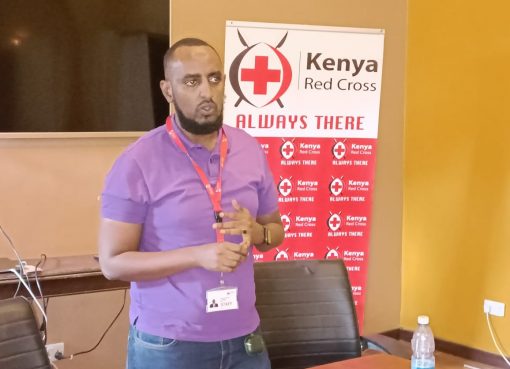
County health officials from Murang’a Department of Public Health also attended the event and stressed the importance of considering sanitation and water efficiency during the design and construction of school toilets.
County Director of Health Dr James Mburu noted that the county has recorded increasing cases of diarrhoeal diseases among school-going children, often linked to poor hygiene and contaminated water sources.
“When children don’t wash their hands properly after visiting the toilet or before eating, they carry pathogens that cause serious illnesses. The solution is not just awareness but ensuring that every school has accessible and user-friendly handwashing facilities,” Dr. Mburu said.
The officials further recommended installing wall-mounted soap dispensers, automatic push taps, and water recycling systems to minimize wastage and promote hygiene.
They also took the parents and students present through a step-by-step guide to washing hands with running water and soap.
by Florence Kinyua & Purity Mugo