The Kenya Primary School Heads Association (KEPSHA) has announced plans to change its name to the Kenya Comprehensive Schools Heads Association (KECSHA) to align with ongoing education reforms in the country.
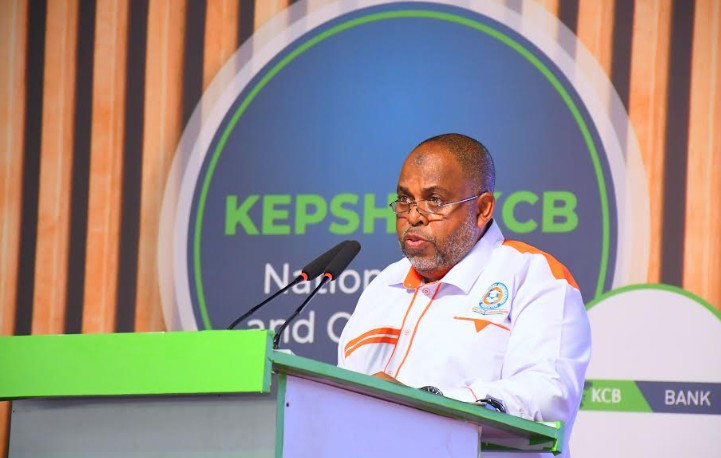
Speaking during the KEPSHA National Annual General Meeting and Conference held at Sheikh Ali Zayed Children’s Home in Mombasa, the association’s National Chairman, Mr Fuad Ali Abdalla, said the transition reflects the evolving structure of the education system and the inclusion of junior schools within primary institutions.
“As part of our commitment to continuous improvement and alignment with national education reforms, we envision a transition from KEPSHA to the Kenya Comprehensive Schools Heads Association KECSHA,” said Abdalla.
“This follows the recommendations of the 2023 Presidential Working Party on Education Reforms, now captured in Sessional Paper No. 1 of 2025, which calls for strengthening leadership and supporting comprehensive schools across the country”.
Abdalla noted that placing junior secondary schools under primary school management has proven effective.
“These children have integrated well with their peers, and the decision to domicile them in primary schools is one of the best outcomes of the reforms,” he said. “As KECSHA, we believe this is the way forward.”
The chairman highlighted that the Competency-Based Education (CBE) system has reached a milestone, with learners now transitioning smoothly from primary and junior school to senior secondary school.
He lauded the progress made since the introduction of the new curriculum.
“This curriculum has matured. We have completed the first phase of Grade 9, and the assessment of Grades 6 and 9 was conducted peacefully without any security incidents,” said Abdalla.
“Over 15,000 school heads gathered here today to celebrate the success of CBE, which has produced engaged, resilient, and morally upright learners,” he added
He added that the CBE framework encourages active participation among teachers, parents, and learners, unlike the previous system, which focused solely on academics.
Abdalla also revealed that the association had petitioned the President to increase capitation for primary schools and support the establishment of laboratories in institutions that lack them.
He expressed appreciation to organisations such as KCB and the M-Pesa Foundation for partnering with schools to renovate and improve infrastructure.
“When we educate our children, we build our nation and fight poverty in our society,” he said.
On his part, Kenya National Union of Teachers (KNUT) Kilindini Branch Executive Secretary, Mr Dan Aloo, commended the government for its continued support in implementing education reforms.
“What the government has done is to employ teachers, around 100,000, and build classes, around 23,000, and equip them with books in each grade. We want to congratulate the government and our national leaders. We have seen work being done,” said Aloo.
By Sitati Reagan