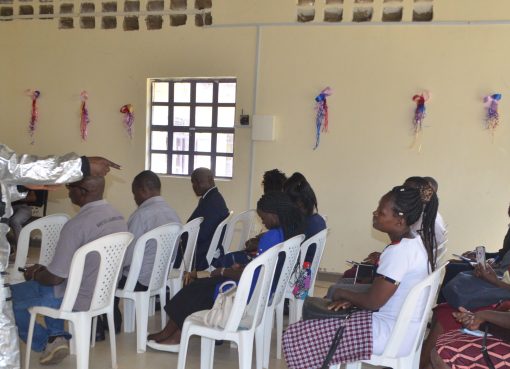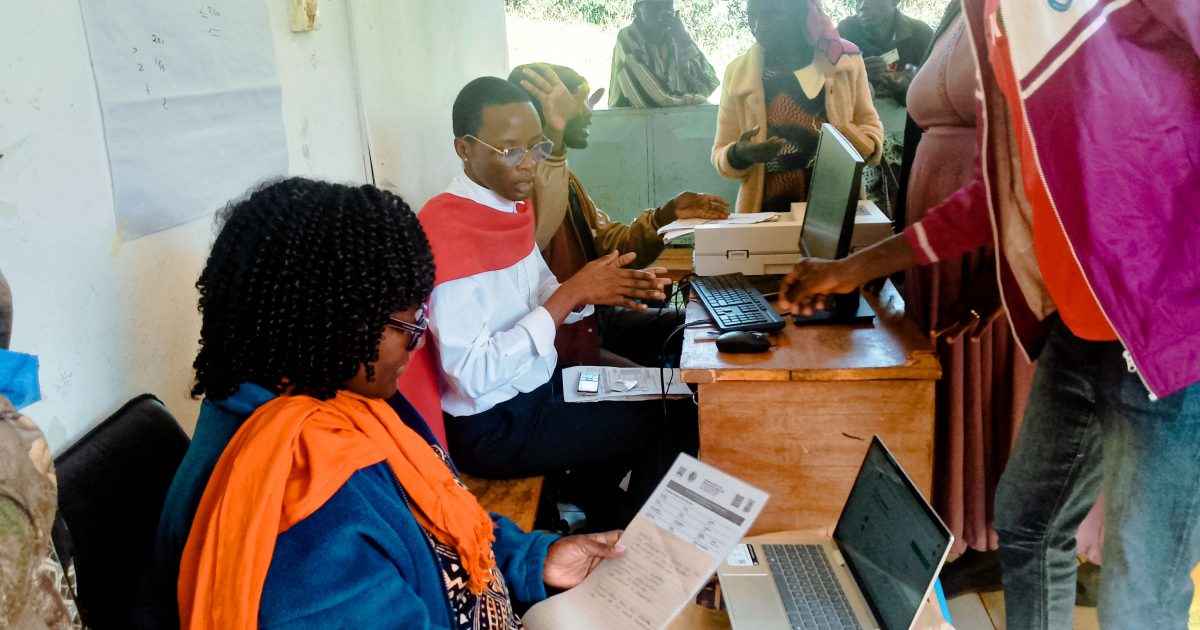
Hundreds of persons with disabilities from Emuhaya and Luanda sub-counties on Tuesday benefited from a mass disability assessment and registration exercise held at Emuhaya Sub-County Hospital.
The exercise, organized by government officers in charge of disability services and social protection, aimed at facilitating the issuance of disability certificates to enable beneficiaries access government services and support programmes.
The exercise was coordinated by Disability Services Officer Elijah Limanya and attracted persons with physical, visual, hearing, intellectual and other forms of disability.
Medical personnel led by Dr. Jared Otemba conducted comprehensive assessments to determine the nature and extent of disabilities, while registration officers collected applicants’ details and guided them through the certification process.
Speaking during the exercise, Limanya said disability certificates are critical documents that enable persons with disabilities to access government assistance with ease including educational support, healthcare, employment opportunities and affirmative action initiatives.
He noted that the outreach programme was designed to decentralize services and bring them closer to the people, particularly those facing mobility and financial challenges that impended on their movement to assessment centres.
“Many persons with disabilities remain unregistered due to stigma, misinformation and limited access to assessment services. Such outreach programmes are therefore essential in ensuring that no one is left behind,” said Limanya.
On his part, Dr. Otemba emphasized the importance of proper assessment and registration, noting that accurate data on persons living with disabilities was crucial in planning and resource allocation by both national and county governments.
He said reliable records would facilitate the development of targeted interventions aimed at addressing the unique needs of persons with disabilities while promoting social inclusion and equal opportunities.
One of the beneficiaries, Mary Atemo Nyangweso, welcomed the exercise, saying it had relieved her of the burden of travelling long distances to seek assessment services.
She described the initiative as timely and beneficial, expressing optimism that obtaining a disability certificate would enable her to access government support programmes and other essential services.
A parent and guardian, James Okwiri, who attended the exercise with a child living with disability, lauded the initiative, saying the certification process would help affected children access specialized educational support and other critical interventions.
Limanya urged families to support relatives living with disabilities by encouraging them to seek assessment and registration whenever such opportunities arise.
He emphasized that disability should not be equated to inability, noting that many affected persons continue to make meaningful contributions to society when provided with an enabling environment and equal opportunities.
Stakeholders led by Margaret Okusii called for improved accessibility in public institutions, including schools, health facilities, government offices and transport systems, to ensure persons with disabilities can access services without barriers.
The mass assessment and registration exercise forms part of ongoing government efforts to promote the welfare, dignity and inclusion of persons with disabilities while safeguarding their constitutional rights.
The initiative is expected to increase the number of registered persons with disabilities in Emuhaya and Luanda sub-counties, improve access to social protection programmes and strengthen planning for disability-related services within Vihiga County.
by Henry Ananda