Kenya and the United Kingdom (UK) have reaffirmed their long-standing education partnership, celebrating decades of collaboration that have continued to shape Kenya’s socio-economic progress.
The affirmation was made at an event hosted by the British Council in Nairobi that brought together alumni, education leaders and government representatives to highlight the expanding impact of international learning on national development.
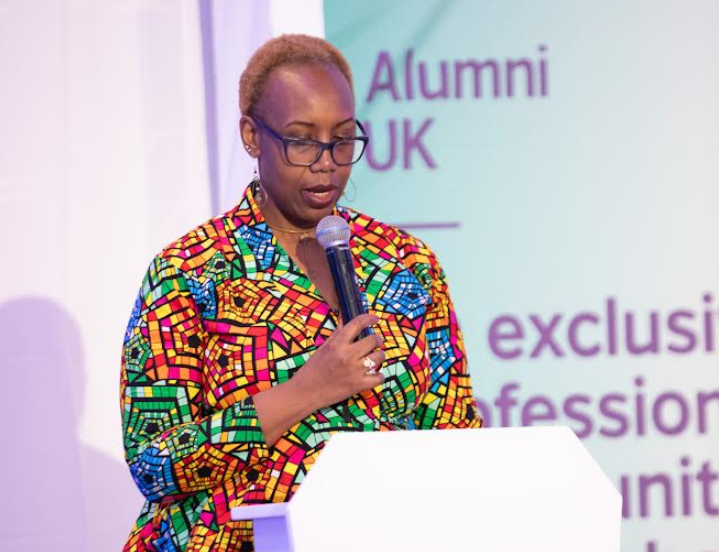
Principal Secretary (PS) for Higher Education and Research Dr. Beatrice Inyangala noted that the gathering reflected a shared story of opportunity and progress grounded in the aspirations of young Kenyans.
Additionally, she reported that the Ministry for Education recognised the transformative impact of international education, particularly from the United Kingdom, on key sectors of the economy.
Further, the PS highlighted that UK-trained graduates continued to shape classrooms, hospitals, boardrooms, laboratories, civil society and the digital economy.
“Their achievements tell a powerful story of what is possible when world-class education meets ambition and purpose,” said Dr. Inyangala in a speech read on her behalf by Assistant Director in the State Department for Higher Education, Christine Minyuki.
Dr Inyangala acknowledged the enduring partnership between Kenya, the British Council and UK universities, which she revealed had created pathways for scholarships, joint research, curriculum collaboration and professional development.
The PS also commended UK institutions for continued support in areas such as climate resilience, public health, agriculture and innovation and emphasised the Ministry’s commitment to strengthening reintegration processes for international graduates through improved recognition of qualifications, deeper research collaborations and expanded alumni networks.
She noted that where education is obtained matters, but where it is applied matters even more.
The PS urged the alumni to lead with integrity, innovation and ethical responsibility, saying, “Your education is not just a personal milestone. It is a national asset. Kenya looks to you as thinkers, creators, problem-solvers and leaders”.
She also highlighted the significance of the UK-Kenya strategic partnership signed earlier in the year, describing it as a testament to shared values in education, democracy and human development.
She said the partnership was lived out daily through the work of alumni who are building industries, driving policy and strengthening ties between the two nations.
Speaking at the event, Optimum Global Partnerships founder and CEO Tim Chege urged the alumni to view their international education as a responsibility to drive development at home.
He said that their global exposure and networks should be used to unlock new opportunities in innovation and entrepreneurship.
“Your degree is not the finishing line; it is the starting block. To whom much is given, much will be required,” he encouraged, adding that the journey abroad should empower graduates to create solutions rooted in African realities.
Equally, the CEO shared his own experience of studying in the UK and later building a multinational technology and security company that integrates British systems with Kenyan talent.
He emphasised that cross-cultural experience and global networks should be used to create sustainable enterprises, build trust and expand Africa’s influence in technology, AI and the digital economy.
In addition, Chege challenged alumni to adopt global standards, take community focused action and build new UK–Africa links, saying such steps were essential to shaping the continent’s future. “We didn’t leave home to escape it, we left home to change it,” he rallied.
On her part, British Council Kenya Deputy Country Director Monica Kowino welcomed participants and outlined the organisation’s work across arts, culture and education.
She affirmed that the British Council’s mandate was to connect people, ideas and opportunities, adding that the alumni network played a central role in sustaining these collaborations.
Kowino highlighted initiatives such as Creative DNA, cultural heritage programmes, education partnerships, digital skills projects and the UK–Kenya Season of Culture, which brings institutions and creatives from both countries together.
Ultimately, the Deputy Country Director encouraged alumni to share their experiences, form new networks and explore opportunities presented through the British Council’s programmes.
“This room holds immense growth, learning and collaboration potential. Your stories and your voices matter,” she reiterated.
By Darlene Kuria and Lucy Mwende