Dairy farmers in Kiambu County are set to enjoy enhanced milk processing and value-addition services following the implementation of a Sh145-million modernization project at the Limuru Dairy Farmers Co-operative Society.
Implemented through a partnership between the World Bank-funded National Agriculture and Rural Inclusive Growth Project (NARIGP), the Kiambu County administration and farmers, the project comprised the acquisition and installation of modern dairy processing equipment aimed at increasing processing capacity and expanding market opportunities for local producers.
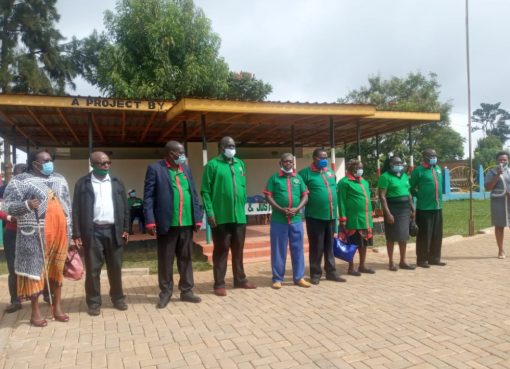
Speaking during a visit to the dairy processing plant in Limuru, the County Executive Committee Member (CECM) for Agriculture, Livestock and Fisheries, Wilfred Mwenda, said the transformation being witnessed at the facility demonstrates the impact of strategic partnerships in agricultural development.
“We visited Limuru Dairy and witnessed firsthand the transformation taking place in Kiambu’s dairy sector. The investment made through the World Bank and NARIGP is a strong vote of confidence in the potential of our farmers and the leadership driving agricultural transformation in Kiambu,” said Mwenda.
The Sh145 million investment included Sh100 million from the World Bank through NARIGP, Sh30 million from the Kiambu County Government and Sh15 million contributed by farmers through their cooperative society.
Funding has enabled the purchase and installation of an Extended Shelf Life (ESL) and Ultra High Temperature (UHT) milk processing line with a capacity of 5,000 liters per hour, significantly enhancing the cooperative’s ability to process and market value added dairy products.
The upgraded facility is expected to strengthen value addition, improve product quality and create new market opportunities for dairy farmers drawn from Limuru, Lari, Kikuyu and Kabete sub-counties.
Limuru Dairy currently collects approximately 30,000 liters of milk daily from thousands of farmers, with the new processing infrastructure providing room for increased milk intake and expanded production of long-life dairy products for both local and regional markets.
The modernization project marks a major milestone for the cooperative, which has remained a key pillar of the local economy by supporting dairy farming, one of the leading agricultural enterprises in the area.
The investment will enable farmers to earn better returns from their milk through value addition while reducing losses associated with fluctuations in raw milk prices and market instability.
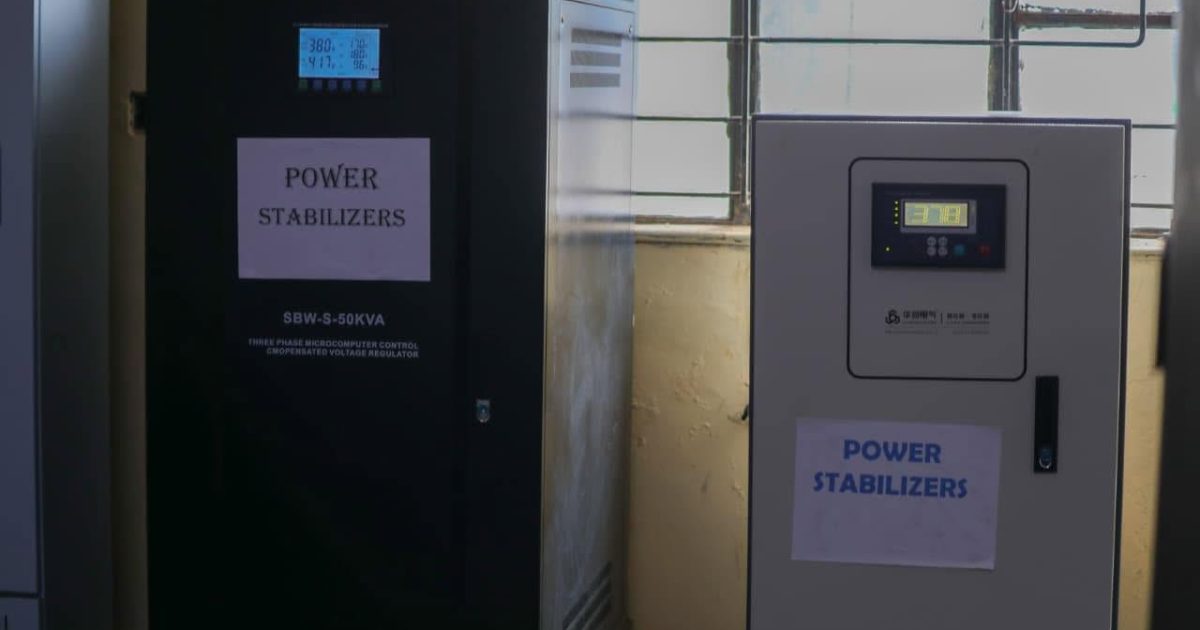
In addition to the processing line, the project includes supporting infrastructure such as refrigeration systems, packaging equipment and energy-efficient processing technologies designed to improve operational efficiency and competitiveness.
The investment is also expected to create employment opportunities across the dairy value chain, including milk collection, transportation, processing, packaging, distribution and marketing.
Mwenda noted that the collaboration between farmers, development partners and the county government demonstrate the positive outcomes that can be achieved through collective investment in agriculture.
“When leadership, partnerships and hardworking farmers come together, great things happen. The future is bright, and Kiambu is moving forward,” he said.
The Limuru Dairy expansion aligns with the national government’s Bottom-Up Economic Transformation Agenda (BETA), which identifies agriculture as a key driver of economic growth, food security and job creation. It also supports Kenya’s Vision 2030 goal of transforming agriculture into a commercially oriented and internationally competitive sector.
According to government statistics, the dairy industry contributes approximately four per cent of Kenya’s Gross Domestic Product (GDP) and about 12 per cent of the agricultural GDP, while supporting the livelihoods of more than 1.8 million smallholder farmers across the country.
The Limuru Dairy modernization project is therefore expected to play a critical role in strengthening the dairy value chain, increasing farmer incomes and enhancing the contribution of the sector to both county and national economic development.
By Grace Naishoo