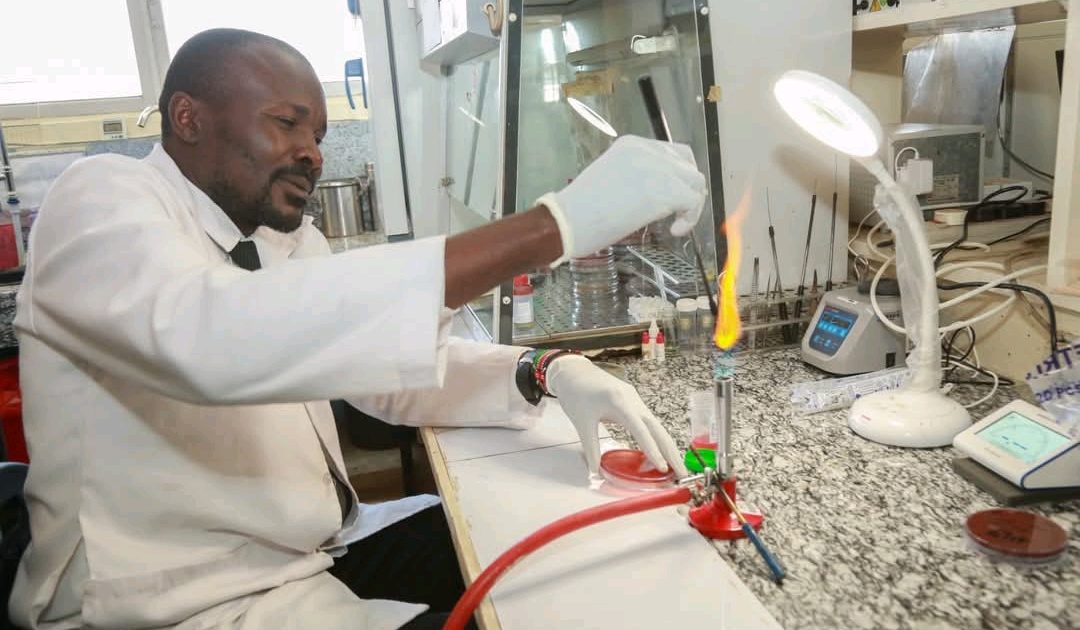
A new study has raised fresh concerns over fish safety in Kisumu after researchers found that 60 per cent of market-ready fish are contaminated with Escherichia coli (E. coli), a bacterium increasingly developing resistance to commonly used antibiotics.
The study, conducted at Jaramogi Oginga Odinga Teaching and Referral Hospital (JOOTRH), analyzed 256 fish samples collected from markets across the county.
Of these, 153 tested positives for E. coli raising concerns over food safety across leading open-air markets and eateries in the area.
While the bacterium naturally occurs in the human gut, pathogenic strains are associated with illnesses such as urinary tract infections, sepsis and meningitis.
When these strains acquire resistance genes, treatment becomes more difficult, more expensive and carries a higher risk of severe illness.
Lead researcher Dr. Silas Onyango, a clinical microbiologist at JOOTRH, said the findings point to persistent hygiene lapses along the fish supply chain.
“The high prevalence highlights a significant risk of bacterial contamination likely linked to improper waste disposal and inadequate hygiene,” he said.
He noted that waste discarded along roadsides eventually finds its way into Lake Victoria.
“Pampers disposed along the road eventually find their way to the lake, and they are the main reason why the fish tested positive for E. coli,” he added.
The study, he said, deepens concerns over the growing link between aquaculture and antimicrobial resistance (AMR).
According to the researcher, the inappropriate use of antimicrobials in fish farming, combined with pollution of water bodies was fueling the emergence of antibiotic-resistant bacteria that can be transmitted to humans through food.
The research team also included Eric Omwenga, Zipporah Gichana, Grace Ndeda, Jamie Reedy and Theekshana Fernando.
The revelations have renewed calls for stricter regulation of antimicrobial use in aquaculture and stronger enforcement to curb misuse.
In response, the JOOTRH Antimicrobial Resistance Committee has developed a new One Health aligned charter under its 2025 strategy.
The charter calls for closer collaboration between the county government, Beach Management Units, the Fisheries Department and public health teams, and proposes enhanced surveillance through routine sampling of lake water and fish.
Stakeholders in the health sector are now calling for the sensitization of the fisherfolk on safe fish handling, hygiene and the dangers of AMR.
By Chris Mahandara