As the Norwegian Agency for Development Cooperation (NORAD)–funded Advancing Resilient Nutrition Sensitive Aquaculture (ARNSA) project enters its final month, Vihiga County is celebrating impressive progress and growing recognition for its innovation in aquaculture.
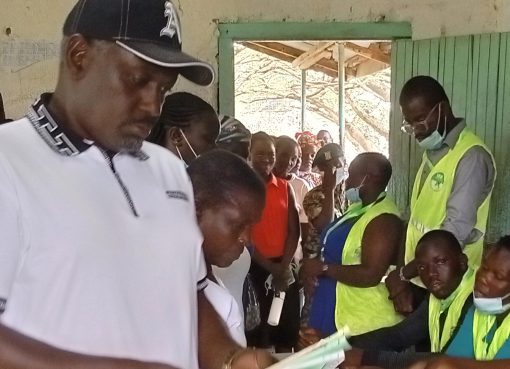
On Wednesday, a delegation from the Aquaculture Business Development Program (GoK/IFAD) steering committee toured key ARNSA project sites before paying a courtesy call on Vihiga Governor Dr. Wilber Khasilwa Ottichilo.
Led by Mr. Liyayi Magotsi from the Ministry of Interior and Coordination, the team assessed project achievements, identified emerging challenges, and engaged local stakeholders on long-term sustainability.
Mr. Magotsi commended Vihiga’s strides over the past six months, highlighting substantial advancements in integrated fish farming, aquaponics systems, farmer training, construction of smart fish kiosks, and the production of black soldier fly larvae for fish feed.
He praised farmers for their strong in-kind contributions, noting that their commitment played a key role in ARNSA’s success. He further assured that Vihiga County is well positioned for inclusion in the project’s anticipated second phase.
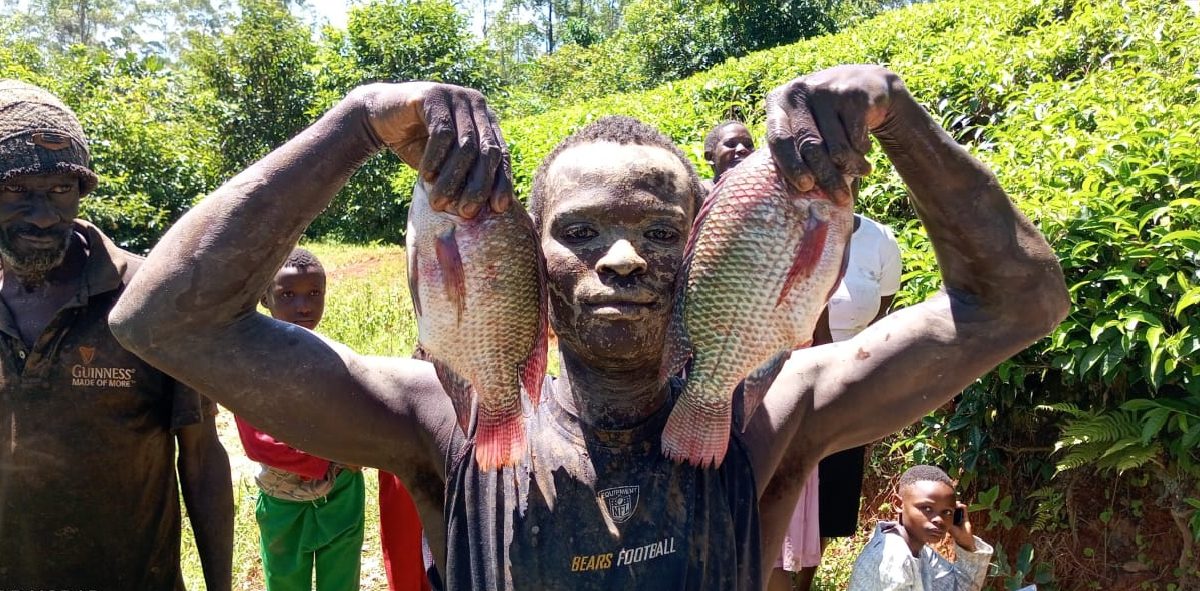
One shining example of impact comes from Sabatia Sub-County, where a beneficiary Collins Amugune has already begun harvesting fish from his upgraded system — with weights ranging from 350 grams to an impressive 816 grams. Encouraged by his first harvest, Amugune plans to reinvest in more fingerlings to expand his production.
Vihiga’s achievements have also drawn regional attention. A delegation from the Mozambique NORAD project visited the county to benchmark its growing aquaculture capacity, underscoring the program’s influence beyond Kenya’s borders.
As the ARNSA project concludes, Vihiga County stands out as a thriving model of resilient, nutrition-sensitive aquaculture — and a promising hub for future investment and replication.
By Rose Wasike