The Kenya Electricity Transmission Company Limited (KETRACO) has signed a landmark National Transmission Infrastructure Public Private Partnership (PPP) agreement with Africa50 and India’s PowerGrid Corporation.
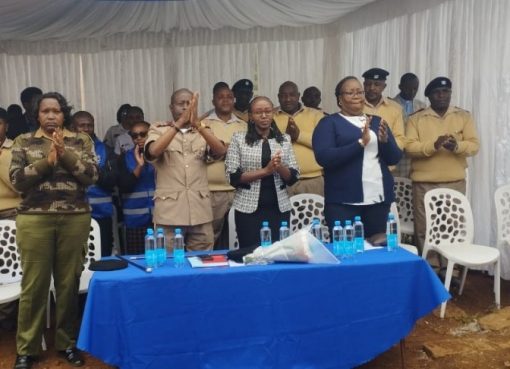
The signing ceremony was attended by Principal Secretaries Dr. Bonface Makokha (Economic Planning), Cyrell Odede (Public Investment and Asset Management), Alex Wachira (Energy), Director General Eng. Kepha Seda of the PPP Directorate, KETRACO Board and Management, and representatives of Africa50 and PowerGrid.
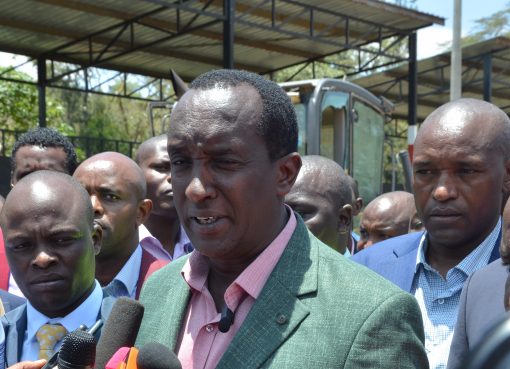
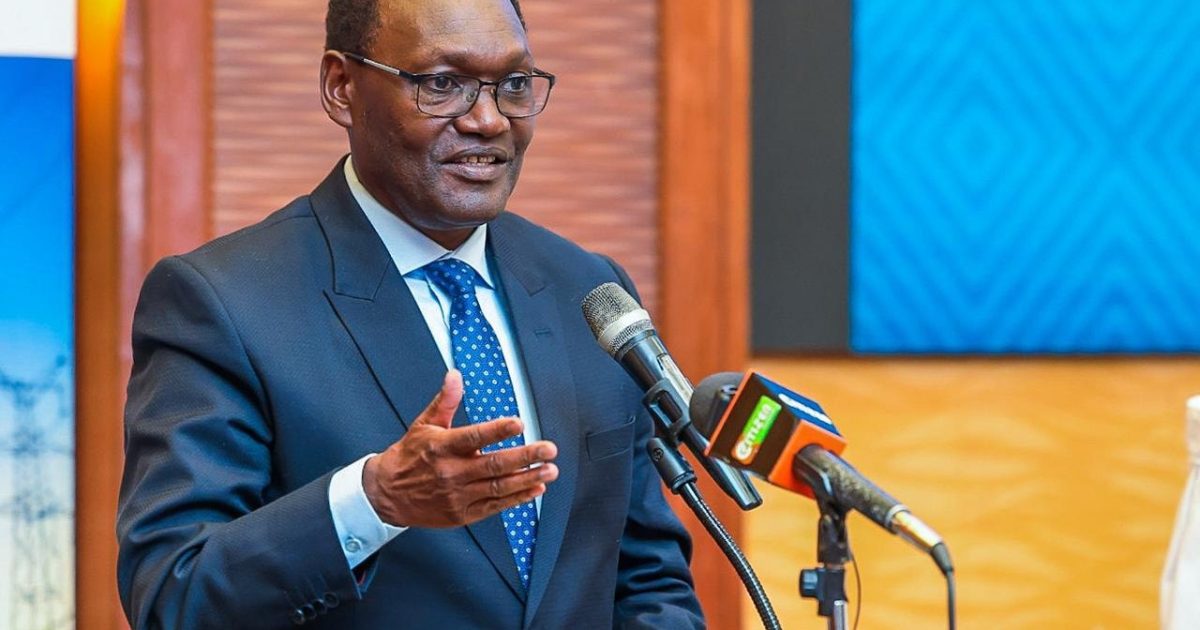
In remarks delivered on his behalf by the Principal Secretary for the National Treasury, Dr. Chris Kiptoo, Cabinet Secretary John Mbadi underscored Kenya’s determination to accelerate economic development through strategic energy infrastructure investments underpinned by sound policy and disciplined planning.

He emphasized that the project strengthens a transmission backbone vital for economic expansion, regional development, and national resilience, reflecting the government’s commitment to delivering reliable, affordable, and sustainable electricity to households, businesses, and public institutions.
“The global energy landscape is evolving rapidly as nations expand renewable energy, enhance reliability, and pursue cleaner, more efficient power systems,” noted CS Mbadi. He maintained that Kenya continues to advance within this environment, and PPPs play a central role in this progress by attracting capital and technical expertise while safeguarding fiscal discipline and national priorities.
The USD 311 million (KES 40.4 billion) project, fully financed and implemented by the private sector, covers the design, construction, financing, operation, and maintenance of two high-voltage transmission lines and associated substations.
It establishes new transmission corridors to enhance system stability, reduce technical losses and load shedding, and integrate renewable energy.
The first corridor, the 400 kV Lessos–Loosuk line, traverses Samburu, Baringo, Nandi, and Elgeyo Marakwet counties, with substations at Lessos and Loosuk. It introduces an alternative route for evacuating wind power from Lake Turkana, strengthens system stability by sectioning the 430-kilometre Loiyangalani–Suswa line, establishes a reinforced 400 kV loop, and enables evacuation of geothermal power from the Baringo–Paka–Silali resource zone.
The second corridor, the 220 kV Kibos–Kakamega–Musaga line, serves Kisumu, Vihiga, and Kakamega counties, with substations at Kibos, Kakamega, and Musaga. It provides high-voltage supply to Kakamega, improves regional network adequacy, and reduces technical losses and load shedding in Western Kenya.
CS Mbadi announced the project will facilitate integration of 300 MW of geothermal power, strengthen renewable energy evacuation, and bolster system reliability across North Rift and Western regions.
“It will provide grid support necessary for industrial activity, commercial investment, and regional economic zones, while ensuring reliable electricity for schools, hospitals, businesses, and agricultural operations,” he stated.
The project incorporates social safeguards, engaging local consultants and subcontractors, providing opportunities for women, youth, and persons with disabilities, and ensuring knowledge transfer for specialized expertise. Affected persons will receive fair compensation for land, crops, structures, and income loss, with livelihood restoration measures to maintain community stability.
By Michael Omondi