By S, KNA
Efforts to improve Special Needs Education (SNE) in Kilifi County are facing significant challenges including stigma and persistent misconceptions.
According to the National Fund for the Disabled of Kenya (NFDK), despite the ongoing investments in infrastructure and equipment, societal attitudes continue to derail progress for learners with disabilities.
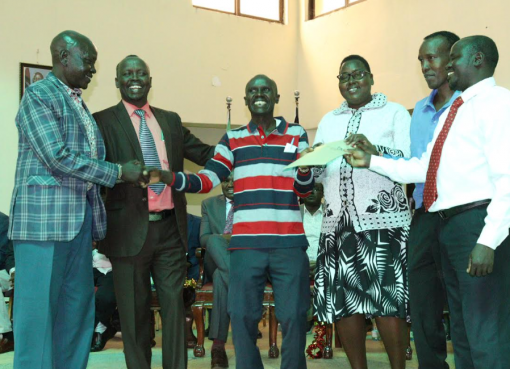
Speaking during the commissioning of a new dormitory at Timboni Special School in Bao Lala, Kilifi County, NFDK Chairperson Dr. Kristina Kenyatta Pratt emphasised the need for inclusive support and positive parenting while nurturing children with special needs.
Dr. Pratt called on communities to abandon harmful beliefs and practices that lead to the neglect or isolation of children with disabilities.
She urged parents to enroll such children in school, stressing that education is vital in helping them realize their full potential and live independently in the future.
“Special needs children have the right to education like any other child. Let us not neglect them, they are equally gifted and talented,” she said.
Kristina further highlighted the importance of emotional support and a nurturing home environment, noting that this helps build confidence and a sense of belonging in children living with disabilities.
As part of its commitment, the Fund has this year completed two major projects in Kilifi County; a three-classroom block at Mtsara wa Tsatsu and a dormitory at Timboni Special School.
In total, six special needs infrastructure projects have been delivered in the county to date.
“We are committed to supporting special needs education through infrastructure development and provision of essential equipment. More projects are underway,” she said.
On his part, Leonard Mbonani, Director of Kuhenza for the Children, a non-governmental organization advocating for the well-being of children with disabilities, echoed these sentiments and urged parents to reject harmful stereotypes that link disability to curses or witchcraft.
“Disability is not a curse. These children have unique abilities and deserve love, support, and equal opportunities,” Mbonani said.
The call comes as stakeholders push for greater awareness, community engagement and investment in teacher training to build a more inclusive and supportive education system for all.