By C, KNA
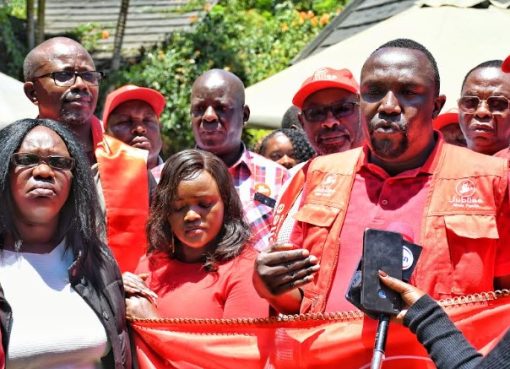
Kisumu Governor Anyang’ Nyong’o has condemned the Agriculture Ministry for approving mass redundancies in the four state-owned sugar companies, terming the decision reckless and a betrayal of workers.
The move, which could affect more than 8,000 employees, has stirred sharp divisions between political leaders and workers’ representatives, even as the government proceeds with its sugar sector transition plan.
“I am shocked and dismayed by the unilateral and ill-advised approval granted by the Principal Secretary for Agriculture for mass redundancies at our state-owned sugar factories. This decision is a direct betrayal of the spirit and intent of the sugar sector revival programme,” said Prof Nyong’o in a statement.
The governor faulted the ministry for failing to consult county governments, despite sugar being a devolved function, accusing Nairobi of disregarding cooperative governance.
He also criticised the morality of terminating workers before clearing salary arrears owed by the government.
“To approve their termination before this solemn debt has been settled is not only unjust but morally reprehensible. It adds a grave insult to an already painful injury,” Nyong’o said.
He urged Agriculture PS Kipronoh Rono to withdraw the redundancy approval and called on the National Treasury to release pending arrears owed to the affected workers.
Nyong’o further demanded an urgent consultative meeting bringing together the national government, county leaders, and workers’ representatives to agree on a way forward.
In a letter dated August 12, 2025, the Agriculture PS directed the management of Nzoia, Chemelil, Sony, and Muhoroni sugar companies to issue statutory termination notices in line with the Employment Act and relevant Collective Bargaining Agreements.
The mass layoffs are part of the government’s restructuring under a 30-year leasing plan of the four mills to private investors:
Nzoia Sugar to West Kenya Sugar Company (Sh5.76 billion investment)
Chemelil Sugar to Kibos Sugar & Allied Industries Ltd (Sh4.5 billion)
Sony Sugar to Busia Sugar Industry Ltd (Sh1 billion)
Muhoroni Sugar to West Valley Sugar Company Ltd (Sh1.02 billion)
The government maintains the leasing process was transparent, endorsed by Parliament, and subjected to public participation. Public assets, including land and buildings, remain government-owned, with lease revenues channeled through the Kenya Sugar Board for reinvestment in cane development and local communities.