By A, KNA
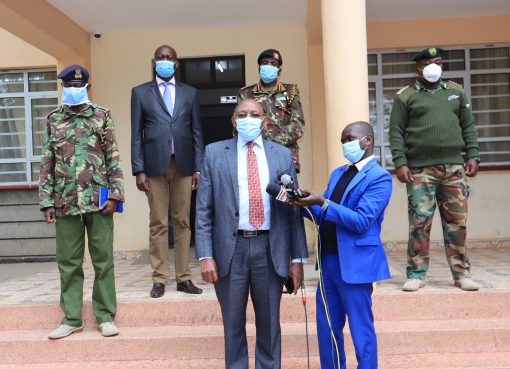
Principal Secretary (PS) for Public Works, Joel Arumonyang, led the National Youths Opportunities Towards Advancement (NYOTA) Programme verification exercise at Kapenguria Vocational Training College in West Pokot County.
The PS urged the youth to seize the opportunity presented by the programme for empowerment and personal growth.
“We are here at Kapenguria Vocational Training College Centre for the NYOTA Programme verification exercise. I am impressed by the large turnout of young applicants who have come for verification,” said PS Arumonyang.
He explained that the exercise aims to verify eligible beneficiaries of the programme at the sub-county and constituency levels. After Kapenguria Sub-County, the PS said he would also lead similar exercise in Kacheliba, Kipkomo and Sigor sub-counties.
PS Arumonyang emphasized that the Programme is a government initiative targeting unemployed youth to support them in gaining skills, finding employment, or starting small businesses.
“The government recognizes the challenges faced by young people who are unemployed, Through the NYOTA programme, we are creating for them to acquire skills, access business grants and participate actively in national development,” he said.
As a senior official in the Ministry of Public Works, PS Arumonyang highlighted the importance of technical and construction skills, noting that many young people are involved in such labor-intensive sector. He added that empowering the youth with practical skills would enhance their employability and contribute to the country’s infrastructure development.
The PS thanked all stakeholders supporting the exercise, including the National Government Administration officers (NGAOs) SME officials, youth officers, technical team, and the West Pokot County leadership.
He also extended his appreciation to President William Ruto for his commitment to youth empowerment through the Programme.
“We thank the President for remembering and supporting our youth through this important initiative. NYOTA Programme will also go a long way in transforming lives,” PS Arumonyang said.