By M, KNA
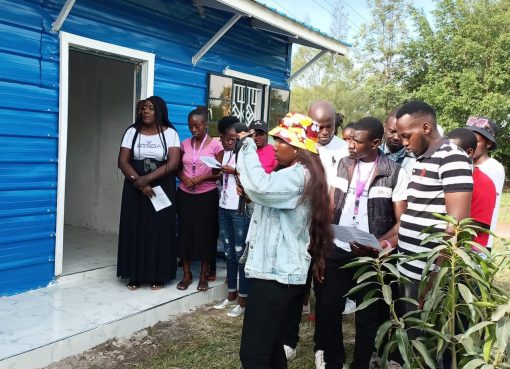
A workshop aimed at strengthening collaboration between media practitioners and academia in the Kisii region wrapped up yesterday at a Kisii town hotel.
The workshop organized by Kisii University in partnership with regional journalists sought to foster a mutual working environment between the university and journalists within the Gusii region, ultimately to benefit the broader community.
During the opening session, Dr. Jonai Wabwire, a media lecturer at the university, emphasized the pivotal role of ethical journalism. He urged reporters to verify information before publication, and reminded them that “all affected parties in a story have an equal right to be heard before running any story.”
On the matter of artificial intelligence (AI), Dr. Wabwire cautioned that it should be used strictly as a tool to ease journalistic work, not as a shortcut for manipulation or mischief. “AI can be useful,” he said, “but only when used responsibly and positively.”
The workshop also addressed a less often-discussed subject among journalists: mental health.
Dr. Rhodah Auni, an Educational Counseling Psychologist at Kisii University, spoke compellingly about the mental health risks that journalists face on account of the stressful and emotionally charged nature of their work.
She noted that while exact local numbers vary, data from national studies indicate that mental health problems affect a substantial portion of the population a reminder that no one is immune. For instance, a 2022 national survey cited by the Kenya National Adolescent Mental Health Survey found that 44.3% of adolescents reported mental health problems in the past year.
Dr. Auni urged journalists to adopt stress-management practices, describing mental wellness as “a skill you train over time.”
She offered free counselling services through the university to journalists in the region.
She also lamented the lack of safe spaces for journalists themselves to “vent,” noting that while journalists often provide platforms for others, they rarely have avenues to openly address their own workplace traumas, especially when the media houses themselves are under scrutiny.
Among the other speakers was Dr. Clifford Ratemo, who addressed participants on the importance of spiritual nourishment for resilience, explaining how spiritual wellbeing can complement psychological care in demanding work environments.
Several other faculty members from Kisii University were present, underlining the institution’s commitment to engaging with the press not just as observers, but as partners in public service.
At the end of the workshop, journalists in attendance asked the university to host such forums regularly. Many said they felt “relief just by talking” a task rare in a profession where critiquing media houses can risk their jobs. They commended the university for creating a rare and safe space for peer support and collective reflection.