By F, KNA
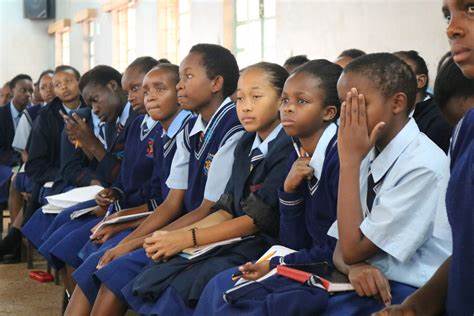
Hundreds of residents attended a free medical camp at Chepkemel Primary School in Turbo Sub-County Uasin Gishu where they received screening, treatment and health awareness services.
During the exercise, Ministry of Health officials and local leaders reiterated their commitment to strengthening community healthcare.
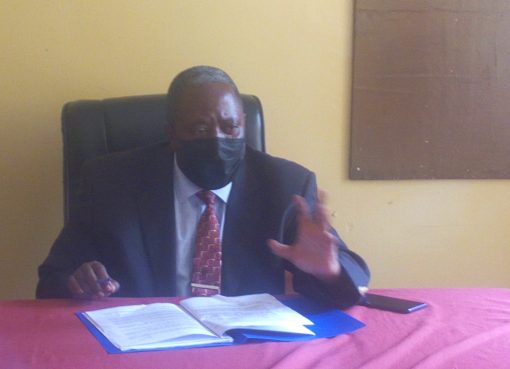
Addressing the press at the venue, the Great Chepsaita Cross Country Run Patron Farouk Kibet commended the community for embracing the initiative and emphasised the importance of expanding access to healthcare at the grassroots.
“We want our people to be healthy. These services are not just meant for Turbo Sub-County alone. We will continue taking them across this county and beyond so that every community has access to early screening and proper treatment,” he said.
Kibet noted that the annual cross-country run, now in its third edition and scheduled for Saturday, December 6 this year, has evolved into an important community platform that combines sports and healthcare for public benefit. “Our focus is the wellbeing of our people, and we will continue strengthening these partnerships,” he said.
On his part, Uasin Gishu Governor Jonathan Bii said the county government fully supports collaborative health initiatives that bring essential services closer to the people, noting that the Chepsaita medical camp reflects the impact of devolved healthcare and the value of strong partnerships between local leaders, health professionals and national government agencies.
He added that community-based outreach remains a priority, especially in hard-to-reach areas where many residents may not regularly visit health facilities.
“This turnout shows how much our people need accessible medical services. As a county, we are working closely with partners to ensure that no one is left behind, and we appreciate the Ministry of Health and the Patron for making this possible,” he noted.
Representing the Principal Secretary for Medical Services, Dr. Ouma Oluga, the Director for Curative and Nursing Services at the Ministry of Health, Dr. Andrew Toro, said that by mid-day more than a thousand people had already registered, with many undergoing treatment, screening, and SHA registration.
“The Ministry of Health is fully committed to supporting medical camps like this, which align with our primary healthcare agenda and our journey toward Universal Health Coverage, allowing us to detect conditions such as diabetes, hypertension, cancer and other diseases early, before they become complicated,” Dr. Toro said.
He highlighted that the day’s activities focused on five key objectives: screening, treatment, referral of complex cases, psychological support and Social Health Authority (SHA) awareness, emphasizing the importance of early diagnosis.
“Unfortunately, many patients still come to hospital when diseases are already at advanced stages, but today we are screening for diabetes, hypertension, cervical cancer, prostate cancer and more, and those who need specialised care have been issued with referral notes to facilities such as MTRH and Lions Hospital,” he noted.
Dr. Toro also underscored the importance of addressing drug and substance abuse among the youth. “We are here to educate and create awareness on the dangers of illicit alcohol, tobacco and narcotics. For those already affected, we are offering counselling and support,” he said.
He added that residents were being encouraged to register under SHA, noting that once enrolled, they would not need to use money out of pocket when they fall sick. The Ministry of Health, he said, will continue partnering with local leaders to expand similar medical camps nationwide so that all Kenyans can access the best possible healthcare.
The event marked yet another milestone in community health outreach efforts, with organisers pledging to sustain the annual tradition of combining athletics and medical service delivery to uplift local communities.