By Ivy Chege, KNA
The Kiambu County Department of Health Services has intensified efforts to prevent cervical cancer through free screening services and HPV vaccination as part of Cervical Cancer Awareness Month.
The county, in collaboration with community health workers, deployed a mobile clinic to provide free cervical cancer screening services in Kiambu Town, Riabai, Ndumberi and Ting’ang’a shopping centres between January 5 and January 9, 2026.
Screening services will continue this week on January 12 at Ngecha Chief’s Camp, January 14 at Cornerstone Church, Kiriri, and January 16 at Goshen Church, Karajeet, with awareness activities scheduled to run throughout January in other parts of the county.
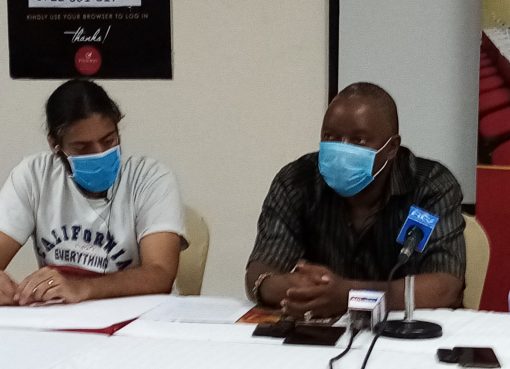
Speaking to the Kenya News Agency, Martha Mburu, the County Mobile Clinic Coordinator, said the outreach targets early detection to improve treatment outcomes.
“The clinic offers screening for cancer, diabetes, hypertension and tuberculosis, as well as nutritional services, HPV vaccination and treatment of minor illnesses. These services are free and available to everyone,” she said.
She emphasized that early detection remains key to reducing cancer-related deaths.
“Early detection leads to early treatment and better outcomes,” she added.
Cervical cancer remains a major public health concern in Kenya, with about 5,845 new cases and 3,591 deaths recorded annually, making it one of the leading causes of cancer-related deaths among women. Health experts note that the disease is largely preventable through HPV vaccination and regular screening.
County health records show that in 2025, Kiambu County screened over 2,000 women for cervical cancer, with 23 testing positive, while more than 2,400 women were screened for breast cancer, resulting in 42 positive cases.
The mobile clinic programme was initiated to reach patients in remote areas and detect cancer before it progresses to stages three and four. So far, over 50 women have received timely assistance through the programme.
HPV vaccination efforts in Kiambu have been strengthened through school-based and facility-based programmes targeting girls aged 9 to 14 years, with vaccination conducted after parental or guardian consent.
Women aged 25 to 49 years have been encouraged to undergo regular cervical cancer screening, while parents and guardians are urged to ensure eligible girls receive the HPV vaccine as recommended.
Health officials also noted that HPV prevention is important for both women and men, as the virus is linked to cancers of the throat, anus and penis, as well as genital warts. Vaccinating boys and men helps reduce transmission and lowers overall community risk.
Community health workers continue to mobilise residents and support referrals to Level 4 and Level 5 hospitals, ensuring follow-up care for patients who require further treatment.
Health authorities have reiterated that early detection and prevention remain the most effective tools in the fight against cervical cancer and have urged residents to take advantage of the free screening and vaccination services across Kiambu County.