Senior officials from the Anglican Development Services (ADS), accompanied by a representative from their program donor Welthungerhilfe (WHH), today held discussions with the Kiambu County Executive Committee Member (CECM) for Water, Environment, Energy, and Natural Resources to review progress on renewable energy initiatives intended to boost agricultural production in the county.
The discussions centered on the ongoing program, “Scaling Up Renewable Energy Technologies for Agri-Food Value Chains Transformation”, currently being implemented in Kikuyu, Limuru, and Githunguri sub-counties.
With funding from the German Federal Ministry for Economic Cooperation and Development through WHH, the project seeks to expand the use of Renewable Energy Technologies (RET) in dairy and horticulture value chains with a target of 3,000 smallholder farmers and value chain actors, promoting climate-smart agriculture, sustainable energy use, and improved farm productivity.
Among the priority technologies being rolled out are solar-powered irrigation systems that replace diesel pumps, enabling farmers to draw water from rivers, boreholes, or tanks even during dry spells.
With regard to dairy farming, biogas digesters are turning cow waste into clean energy for cooking, heating, and powering milk processing equipment, while producing nutrient-rich organic fertilizer and cutting methane emissions.
In off-grid areas, solar-powered milk cooling and storage units are helping farmers maintain quality milk as well as extend shelf life, and reduce spoilage.
For horticulture, energy-efficient cold rooms powered by solar or hybrid systems allow farmers to store produce for longer periods, reach better markets, and reduce post-harvest losses.
Furthermore, solar dryers prevent dehydration of fruits, vegetables, and herbs, adding value and increasing income potential. Solar lighting is also being introduced to improve safety and extend working hours during early mornings and late evenings, particularly in peak harvest seasons.
ADS, the development arm of the Anglican Church of Kenya, works to empower communities through sustainable development programs addressing poverty, environmental degradation, and social injustice. Their involvement in this initiative reflects their long-standing commitment to resilience-building and environmentally responsible farming.
While WHH, is one of Germany’s largest private aid organizations, it focuses on sustainable food security, climate change resilience, and improving rural livelihoods.
By funding and partnering on this project, WHH aims to help Kenyan farmers cut energy costs, increase yields, and protect natural resources.
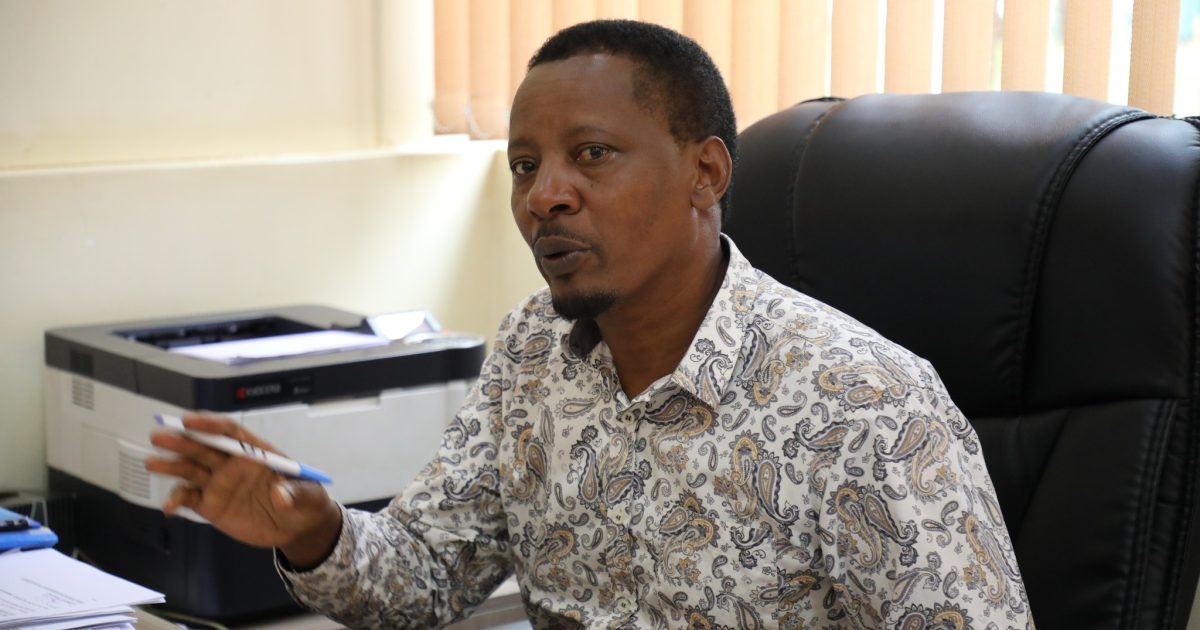
The Kiambu CECM Energy David Kuria commended ADS for complementing Kiambu County’s climate action strategies and pledged the county government’s full support.
“This is more than a development project, it’s an investment in the future of our farmers and our environment,” the CECM said. “We will support it fully to ensure it delivers results for Kiambu residents.”
Beyond technology installation, the program emphasizes farmer training in water harvesting, organic pest control, and soil health management. Community awareness campaigns on environmental conservation are running alongside the roll-out to ensure long-term benefits.
“We want communities to take ownership of these solutions,” the WHH representative emphasized. “That’s why capacity building is central to our approach.”
Agriculture contributes about 25% to Kenya’s GDP and sustains millions of livelihoods, but climate change threatens food security. By integrating renewable energy into the agricultural value chain from farm to market, this initiative aims to make Kiambu’s agricultural sector more competitive, sustainable, and climate-resilient.
If successful, the program could serve as a model for other counties in Kenya and beyond.
By Grace Naishoo