The Africa and Arab Countries Education Sector Workers Network has expressed solidarity with members of the Kenya University Staff Union (KUSU), who are on strike, and called for dialogue to resolve the ongoing dispute in the higher education sector.
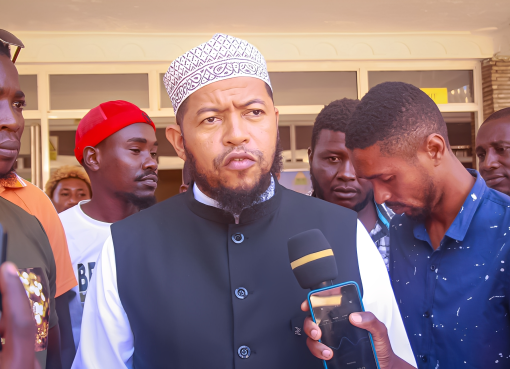
Addressing the media in Nairobi, the network’s President for the Africa and Arab countries branch, Musa Okelo of Uganda, said unions in the region were concerned about what they described as delays in implementing collective bargaining agreements (CBAs) and the slow pace of new negotiations.
He noted that such delays could affect morale among education workers and ultimately disrupt the academic calendar for students.
“These actions not only contravene ILO Conventions 87 and 98 but also disrupt academic calendars, demoralise staff, and affect the learning environment of students,” stated Okelo.
Further, Okelo added that similar concerns had been raised in other African countries including Nigeria where non-teaching staff face salary disparities and delayed agreements.
He also pointed out that unions were urging governments to provide sufficient resources to the education sector in line with international commitments such as Sustainable Development Goal 4.
While reading the communique on behalf of the delegates, Okelo reaffirmed the Public Services International (PSI’s) global position on the importance of respecting collective bargaining rights.
“We, the undersigned PSI affiliates under the Education, Support and Cultural Workers Network, stand united in defence of public education and the dignity of all education workers across Africa,” he declared.
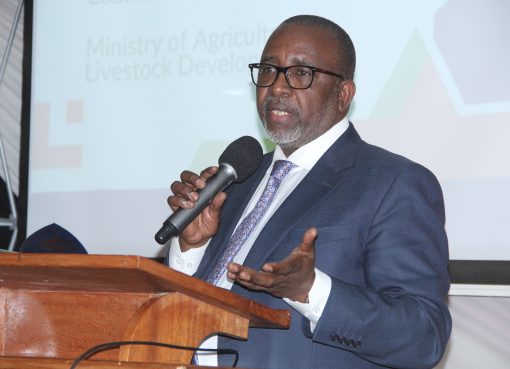
Concurrently, Prince Peters Adeyemi, Vice President of the Africa and Arab Countries Education Sector Workers, also voiced support for Kenyan staff, appealing for leadership-level engagement to end the strike.
He reiterated that resolving the matter would safeguard academic progress and help maintain stability in the university sector.
“As we speak today, the Kenyan university staff are on strike, and campuses are deserted. I was proud when I saw President Ruto address the UN recently, but I was embarrassed to learn that back home, workers’ rights were being violated,” voiced Adeyemi.
Consequently, Adeyemi appealed for government and university councils to move with speed in implementing agreements already signed and to begin fresh negotiations for the next cycle.
“Our position in Public Services International is that this strike can be stopped today if there is goodwill. Kenyan university workers deserve the best, and their rights must be respected,” he demanded.
Meanwhile, the delegates further observed that education workers across Africa faced similar challenges and pledged to continue supporting each other through solidarity and advocacy.
They noted that unresolved disputes risked affecting the continent’s ability to produce a skilled workforce capable of competing globally in areas such as digital transformation and artificial intelligence.
by Naif Rashid & Darlene Wambui