Governments across Africa have been asked to strengthen their capacity to deal with the effects of climate change, enhance the resilience among communities to enable them to adapt to the global shocks.
With the increased frequency of disasters, the Association of Chartered Certified Accountants (ACCA) has sounded an alarm over the low level of preparedness among businesses for climate-related disasters, with only 20 percent of organisations adequately equipped to manage such risks.
In Kenya, the heavy rains and mudslides causing the death of over 20 people in Elgeyo Marakwet County over the weekend has amplified the need for collaboration between the Government and other stakeholders in enhancing capacity to deal with climate related catastrophes.
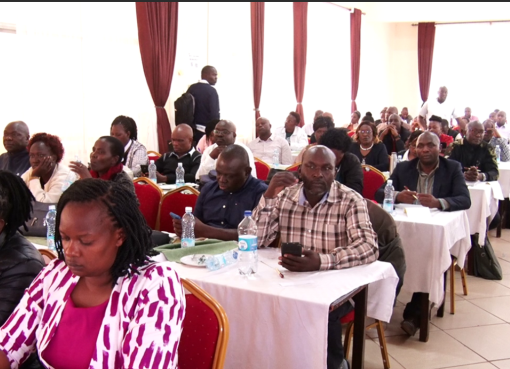
Speaking on Monday during a Media Breakfast – Africa Members’ Convention (AMC), ACCA Director for Africa Jamil Ampomah emphasized that the rising frequency and intensity of climate-related events such as floods, droughts, and increased heat waves pose serious operational threats to both the private and public sectors.
According to findings of a survey carried out by ACCA leadership, the probability of business disruptions linked to climate events includes power outages, 54 percent, supply chain disruptions, 31 percent, financial losses, 38 percent, facility damage, 24 percent, and data loss, 12 percent among others.
Ampomah urged both governments and businesses to invest in climate resilience to safeguard long-term sustainability and economic stability.
“With the impacts of climate change becoming more frequent and intense, the need to manage these risks and understand the opportunities for collaboration has never been more important,” Ampomah said.
He highlighted that for Africa and other developing regions, government intervention through regulatory frameworks, fiscal planning, and public-private collaboration will be essential in ensuring economies remain competitive and sustainable amid growing climate and economic uncertainties.
ACCA’s Regional Head of Public Affairs for Africa Jane Ohadike highlighted that governments must not only act as regulators but also as facilitators of resilience.
She noted that public finance pressures are mounting globally, especially in emerging and low-income economies, which face competing demands from debt servicing, demographic shifts, and rising expectations for public service delivery.
Ohadike explained that increasing public sector productivity is essential for governments to manage the fiscal pressures.
She said the World Health Organization (WHO) projects that the global population of people over 60 years will nearly double from 12 percent in 2015 to 22 percent by 2050 where healthcare and welfare costs will soar, leaving limited fiscal space for other investments.
“Governments are therefore being urged to adopt a 10-point plan for finance professionals, focusing on realistic budgeting, collaboration across departments, process improvement, and continuous upskilling of finance teams,” she said.
“Budgets are more than financial statements, they are strategic tools that can drive productivity and resilience if aligned with long-term outcomes,” Ohadike said.
Ohadike emphasized that business continuity and crisis management are increasingly becoming responsibilities under the Chief Financial Officer (CFO) function. Organisations, she insisted, should be encouraged to invest in resilience not only to minimise disruption costs but also to enhance customer confidence, improve risk management, and ensure regulatory compliance.
She recommended that there is a need to strengthen collaboration between Governments and businesses on climate resilience, using data to inform resilience-focused policy and investment decisions. And build capacity for climate action within public institutions and align public budgets to long-term productivity and sustainability outcomes.
Ohadike called for stronger partnerships between governments and the private sector, particularly in implementing resilience-focused regulations and frameworks. This includes enforcing the International Sustainability Standards Board (ISSB) recommendations, developing data-driven decision-making tools, and building capacity for climate action within both public institutions and private enterprises.
ACCA Head of East Africa Cluster George Njari urged finance professionals to adopt innovative approaches to public sector productivity and fiscal growth.
“New technologies including data analytics and AI can improve efficiency and promote transparency in our public sector institutions. However, professionals must assess emerging risks and develop policies and governance frameworks to enable governments and institutions navigate these changes,” he noted.
AMC is a biennial event for members and leaders of ACCA in Africa. The convention serves as a crucial platform for discussing the professionals’ issues in Africa, shaping global strategies for ACCA, and expanding professional networks. This year, the convention will be held in Mombasa from December 3rd to 5th, 2025.
By Joseph Ng’ang’a