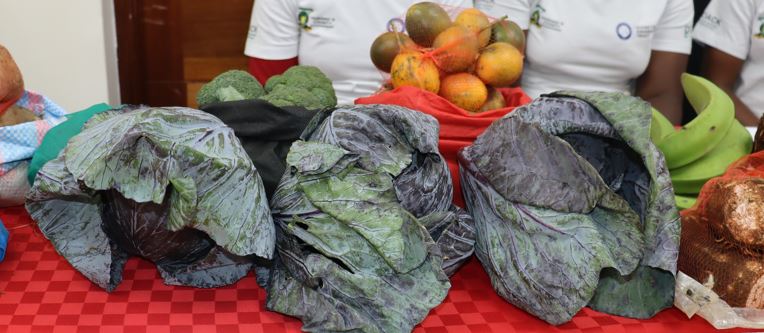
Nestled in the rolling hills of Murang’a County, just 50 kilometers north of Nairobi, a quiet revolution is taking root. Amidst the lush greenery and fertile soils, agroecology is reshaping not only the way food is grown but also how communities think about health, nutrition, and sustainability.
In a nation grappling with the intertwined challenges of climate change, food insecurity, and rising rates of non-communicable diseases (NCDs) including diabetes, heart disease, and obesity, Murang’a’s embrace of agro ecology offers a beacon of hope offering a path toward better health, more nutritious food, and stronger communities.
Agro ecology, a farming practice that blends ecological principles with traditional knowledge to create a more sustainable, resilient, and healthier food system.
In the context of non-communicable diseases (NCDs), agroecology plays a crucial role in shifting diets toward more nutritious, locally produced foods. This approach also helps communities become more resilient to the effects of climate change by diversifying food sources and promoting sustainable farming practices.
The Food and Agriculture Organization (FAO) has highlighted research on the growing burden of non-communicable diseases (NCDs) in Kenya. The connection between food and health is becoming increasingly clear, and agroecology could help bridge the gap by promoting healthier eating habits that are also good for the planet.
Through agro ecological practices, farmers are reclaiming control over their food systems, reducing their reliance on chemical inputs. This could help reduce the prevalence of diet-related diseases, such as diabetes, and obesity, which are on the rise in Kenya due to increased consumption of processed foods and a more sedentary lifestyle.
Farmers like Elizabeth Njeri, 56-year-old are already benefiting from agroecology’s promise. After years of navigating the bustling corporate world in Nairobi, Njeri a mother of four made a bold decision in 2020 when she traded her business suit for a farmer’s hat and embraced a life rooted in the soil.
Speaking to Kenya News Agency (KNA) Njeri says relocating to Murang’a, she turned her passion for farming into a full-time venture, initially cultivating vegetables on her two-acre farm in the tranquil village of Kigio, Gatanga Sub County.
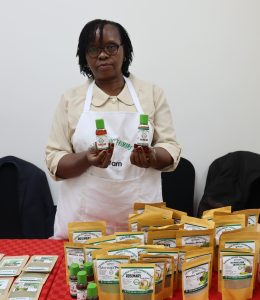
Two years into her farming journey, she discovered agroecology, and everything changed. By learning about organic farming practices through organizations like Kenya Organic Agriculture Network she found a new way to connect with the land.
She began experimenting with growing herbs and spices, cultivating crops like rosemary, lemongrass, and mint. Today, she sells these organic products in packets of 50g and 100g, providing her community with fresh, locally-grown alternatives to store-bought herbs.
But Njeri’s farm is not just about herbs. She is part of the Gatanga organic farmers market group, with 30 members, 20 of whom are women. Together, they grow a variety of vegetables and herbs, share knowledge, and support one another.
The group focuses on sustainable farming practices, and Njeri is proud to use natural methods to control pests and diseases. Her farm also hosts a range of wild herbs and weeds, which she harvests for medicinal teas and health-promoting remedies.
Through agro ecology, Njeri and others in her community are not only cultivating healthier food but also fostering a sense of empowerment and unity. As they work together to promote their products and share knowledge, they are building a sustainable future one that is grounded in the health of both people and the community.
Samuel Maina, organic farmer from Kangari traded chemical fertilizers and pesticides for agroecology, a move that is transforming both his community and their health.
“I started farming fifteen years ago using fertilizers and chemicals,” he recalls. “But I realized they were destroying the soil and affecting our health. That is when I decided to change.” Says Maina.
After years of training and hands-on experience, Maina made the bold decision to switch to agroecology farming, nurturing the soil with compost, avoiding synthetic chemicals, and returning to traditional crops rich in nutrients and medicinal value.
Starting with a simple kitchen garden, Maina began growing indigenous vegetables and herbs including managu, terere, and other nutrient-rich greens long valued in Kenyan culture.
Today, Maina coordinates a group of 24 organic farmers of Kangari Organic Farmers and Marketers (KOFAM) all committed to natural, sustainable food production. Together, they practice table banking, conduct monthly meetings, and visit each other’s farms to exchange knowledge.
They have received ongoing training from Organic Agriculture Centre of Kenya (OACK) an organization supporting organic practices and value addition. “We’ve learned how to package, grade, and dry our herbs using solar dryers,” he says. “That helps us preserve the nutrients and reach more customers.”
Beyond vegetables, Maina has integrated livestock and beekeeping into his farm. The honey he harvests feeds not only his family but also forms the base for the herbal concoctions he makes natural remedies that his customers swear by.
Across Kenya, non-communicable diseases such as hypertension, diabetes, and heart disease are on the rise. According to national data over 50 per cent of hospital admissions and 55 per cent of hospital deaths are caused by NCDs.
One in three deaths in Kenya is linked to these chronic diseases, a figure that has been steadily increasing since 2017. The 2022 Kenya Demographic and Health Survey (KDHS) found that 9.4 per cent of men aged 15–54 have at least one NCD, with hypertension being the most common.
In the Central region, which includes Murang’a, older adults face particularly high rates of overweight (29.4 per cent) and obesity (17.6 per cent) major risk factors for NCDs.
To enhance community health and nutrition by increasing access to agro ecological and organic foods while promoting sustainable agriculture and healthy lifestyles Diabetes Awareness Trust (DAT) in collaboration with Murang’a County Government, Global Open Data for Agriculture and Nutrition (GODAN), and Organic Agriculture Centre of Kenya (OACK) has launched a ‘food farmacy,” initiative.
Funded by Biovision Foundation and Sustainable Agriculture Foundation Africa the initiative addresses both the prevention of diseases especially NCDs and the promotion of healthy, resilient communities.
Diabetes Awareness Trust Director, Hannah Kigamba, while speaking KNA during the launch says that building healthy communities start with accessible, safe, and nutritious food. To achieve this, they are rolling out food farmacy outlets in Kangema and Kenol town (Maragua and Kandara sub- counties).
She says the initiative promotes the concept of ‘food as medicine’ strengthening the link between food systems and human health. It seeks to improve the overall wellbeing of households by encouraging the consumption of safe, diverse, and nutritious foods produced through agro ecological and sustainable practices.
While the project is still in its early stages, officially launched recently and will run until June 2029, Kigamba is optimistic about its potential to transform Murang’a County noting that the initiative is community-level implementation, moving nutrition advice from the hospital to the household.

“We want to take nutrition advice from hospitals to households,” said Kigamba, “By working with community health workers and extension officers we can ensure families are not only informed about healthy eating but have access to safe, nutritious food.”
She said expected outcomes of the initiative include increasing awareness and knowledge of healthy diets and agro ecological foods through consumer education and empowering smallholder farmers to produce organic herbs, spices and indigenous vegetables and link them to local markets among others.
Murang’a County Executive Committee Member (CECM) for Devolution & External Linkages, Prof. Kiringai Kamau, said that they want to promote the idea of food as medicine, because many lifestyle diseases can be prevented or managed through better nutrition and agro ecologically produced foods.
Kamau said food farmacies will serve as hubs for both nutrition advice and the distribution of locally-produced, safe foods that contribute to better health outcomes, noting that the idea is to ensure that every consumer has access to food that’s not only safe but also nutritious.
“Instead of getting medicine, patients will get a food prescription. They can access or even grow those foods themselves. Our goal is to make every household a producer of food that heals,” Kamau explained, noting that he sees a future where our health budget will go down because fewer people will need hospital care.
He divulged that the initiative builds on Murang’a county leadership as the first county in Kenya to enact an Agroecology Policy and Law, and to sign the Milan Urban Food Policy Pact- both of which promote sustainable, resilient food systems.
Murang’a CECM Finance Prof. Kiarie Mwaura the initiative could ease the county’s heavy health costs now at about Sh 3 billion annually, by focusing on prevention rather than treatment the initiative could reduce hospital admissions and related costs by shifting the focus to prevention.
GODAN representative, Derrick Ngige, shared the journey of incubating the food farmacy model since 2022: “We began as an experimental project in Kangema to empower farmers and test how food-based solutions could reverse chronic diseases. In our pilot with 30 Type 2 diabetes patients, 26 achieved remission -clear evidence that food can heal.”
Ngige added that integrating the food farmacy with school feeding programs and farm hubs will help build a healthier generation while supporting rural livelihoods.
“We’ve seen parents transfer their children to schools that source from the food farmacy because of the visible health improvements. This is how we build a healthy, productive, and prosperous generation.”
OACK Director David Karanja observes many families are spending so much resources and money on healthcare, and if we can prevent illnesses by promoting healthier food systems, it’s a huge win.
“Many families exhaust their life savings on treatment for preventable illnesses such as diabetes and hypertension. Investing in healthy diets and preventive nutrition can reduce this burden at both the household and national levels” he says.
Karanja says the shift to agroecology and growing food that is not only nutritious but also affordable is transformative, noting that they work with local communities teaching them to grow their own vegetables, herbs, and spices hence addressing health issues and also strengthens local economies by opening up new markets.
By Anita Omwenga