Polycom Girls organization, known for its grassroots-led, girl-centered approach, has rolled out a two- pronged campaign combining media engagement and girl-led dialogue as the world marks International Menstrual Hygiene Day.
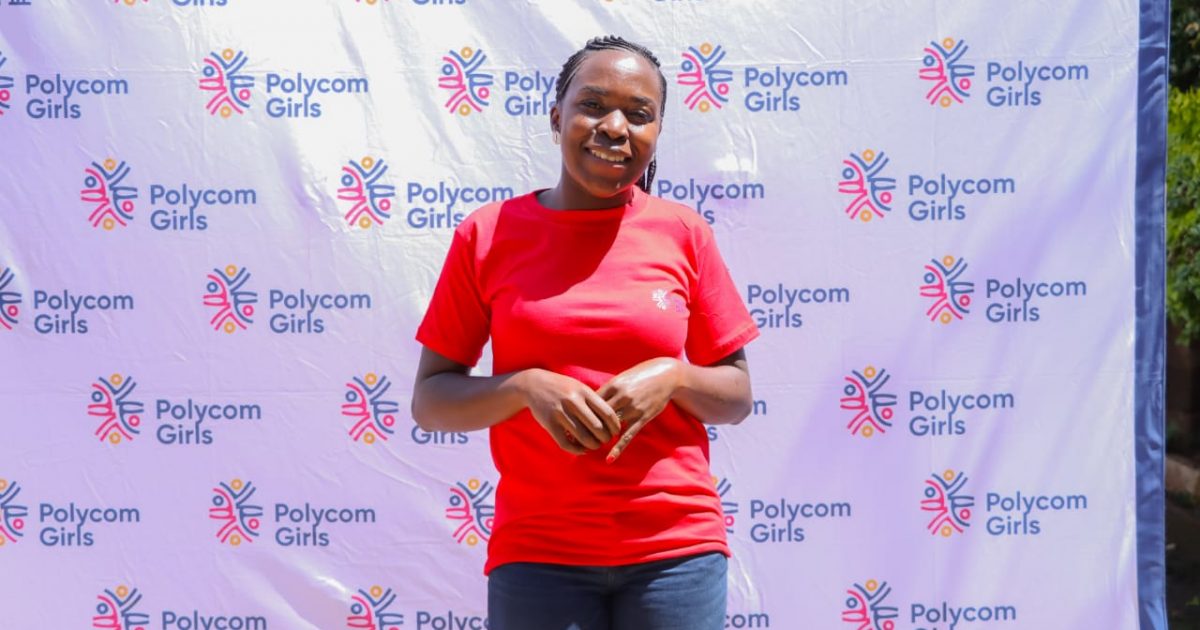
Speaking during the event at a local church grounds in Kibera, Nairobi County, Polycom Girls Programs Manager Wendy Aura said the initiative aims to normalize conversations around menstruation and break the deeply rooted stigma that continues to affect millions of Kenyan girls and women.
“This is not just about hygiene. It’s about dignity, education, and breaking taboos,” she said, emphasizing the need for safe, stigma-free spaces for girls and women” she said adding that they are a global movement that continues to grow in momentum since its inception over a decade ago.
She said under this year’s theme, “Together for a Period-Friendly World,” calls for collective action to ensure that menstruation does not limit access to education, health, or opportunity.
She said they also brought this global theme to life through a vibrant community campaign inviting community leaders, male champions, the media and youth to engage in open dialogue and demand dignity, equity, and access for all menstruating individuals.
Ms. Aura urged the Government to uphold its commitments made at the 2021 Generation Equality Forum in Paris, particularly those focused on ending gender-based violence and enhancing access to menstrual health.
She said the event highlighted data from WHO and UNICEF, showing that only two in five schools worldwide provide menstrual health education, and just one in three have proper bins for menstrual waste.
“In Sub-Saharan Africa, menstrual-related absenteeism reaches up to 31 percent, underscoring the urgent need for systemic change,” she said.
The manager called on the government to increase funding for menstrual supplies and emphasized the need for inclusive facilities, especially for girls with disabilities.
She also urged the government of to allocate sustainable funding for menstrual products in public schools and honor its Generation Equality commitments to communities to normalize open conversations about menstruation across all generations.
She urged the media to lead the charge in dismantling myths and period stigma through both traditional and digital platforms and development partners and donors to invest in inclusive, youth-led menstrual health initiatives.
She said that this year’s event builds on the success of past initiatives like the “Siri Ya Mwezi” comic book launched in partnership with Womankind Worldwide. “The comic continues to serve as a tool for dialogue, education, and empowerment on issues of menstrual hygiene,” she said.
Board Member at Polycom Girls Brenda Kalekye called for pride and confidence in managing periods: “Gone are the days we purchased pads in shame. Let’s normalize ‘my period, my pride,” she said.
She said the event also showcased Polycom’s ‘talking boxes’ a safe, anonymous platform where girls share concerns around their health and bodies. She added the initiative has already gained support from female Members of Parliament and demonstrates the importance of intergenerational dialogue and mentorship in challenging myths and creating lasting change.
Mugeni Baraza, mentor and beneficiary, highlighted how youth are reclaiming power by openly discussing menstruation: “This day is symbolic. It breaks taboos and fosters empowerment,” Said Baraza
On their part, Kefa Dickson and Kimani Mwangi, both male champions and mental health advocates, called for greater inclusion of boys in menstrual health conversations from a young age: “We must raise boys who are allies, not bystanders,” said Dickson.
Lydia Achieng, Youth Advisor at UNFPA, stressed the importance of dignity during menstruation and praised Polycom’s girl-led initiatives. “Polycom not only distributes locally produced sanitary pads but also brings vital health information directly to girls in informal settlements,” she said.
By Anita Omwenga