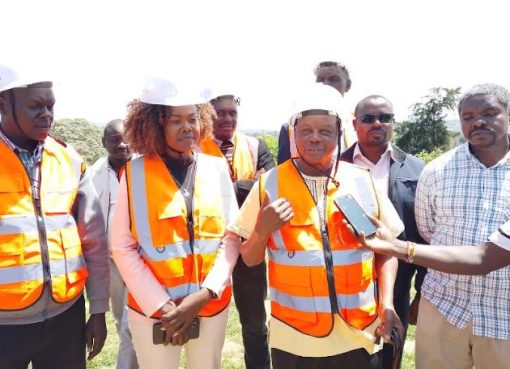
Communities across the country have been urged to take up active roles in the climate change mitigation efforts since they are the most affected by its effects.
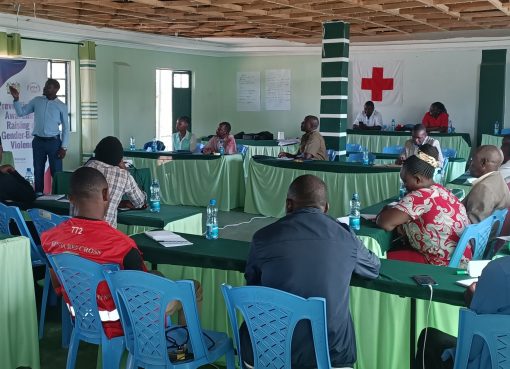
This observation was made during a 3-day climate change action symposium that brought together community champions, policy makers, community members, youth activists and women to discuss mitigation measures in Garissa.
The meeting was convened by Womankind Kenya, a non-governmental organization, which provided a platform for the participants to come up with the solutions and policies to safeguard livelihoods against harsh climate change effects.
A monitoring and evaluation officer at the organization, Carol Rotich, said there was a need to create awareness to community members on the effects and mitigation efforts of climate change and adopt smart ways of coping.
At the same time, Rotich noted that there was need to develop African climate justice narratives, spread them through different platforms and trigger behavioral change among communities to adapt to environment friendly activities.
“We have been able to develop the narratives using different forms like art, poetry, music and panel discussions and we hope the narratives will create a better impact apart from raising awareness, hoping it will create more behavior change, where the community will be able to adapt to climate changes,” she said.
“The narrative will be able to influence policy and other issues around planning, decision making and also inclusivity for all stakeholders in the mitigation efforts,” added Rotich.
An assistant chief in Garissa, Ubba Abdullahi, on her part said that women, children and people living with disabilities are the most affected groups in the society during times of drought or floods and called for more elaborate ways of teaching them adaptive measures.
She called on the members of the public to take part in President William Ruto’s call for planting 15 billion trees to increase the forest cover and reduce climate related disasters.
Yusuf Abdi, a climate champion in Garissa called for formulation of county-specific policies that are well resourced by the county governments and develop networks that are going to address and sensitize the communities on impacts of climate change.
“Climate change is here with us therefore, we have to act and do something as stakeholders, government officers, community members and policy makers,” Yusuf said.
“Climate change is impacting on our lives and livelihoods, education system and infrastructure.
When floods swept part of the road leading to Garissa town, we were unable to get food and people were suffering, leading to conflicts, since people were fighting over the little resources,” he added.
By Erick Kyalo and Ephraim Mwendwa