Residents of Taita Taveta County may soon benefit from a structured and law-backed poverty eradication initiative as the county government, in partnership with development organizations, rolls out public participation forums on a new bill aimed at formalizing efforts to uplift their socio-economic welfare.
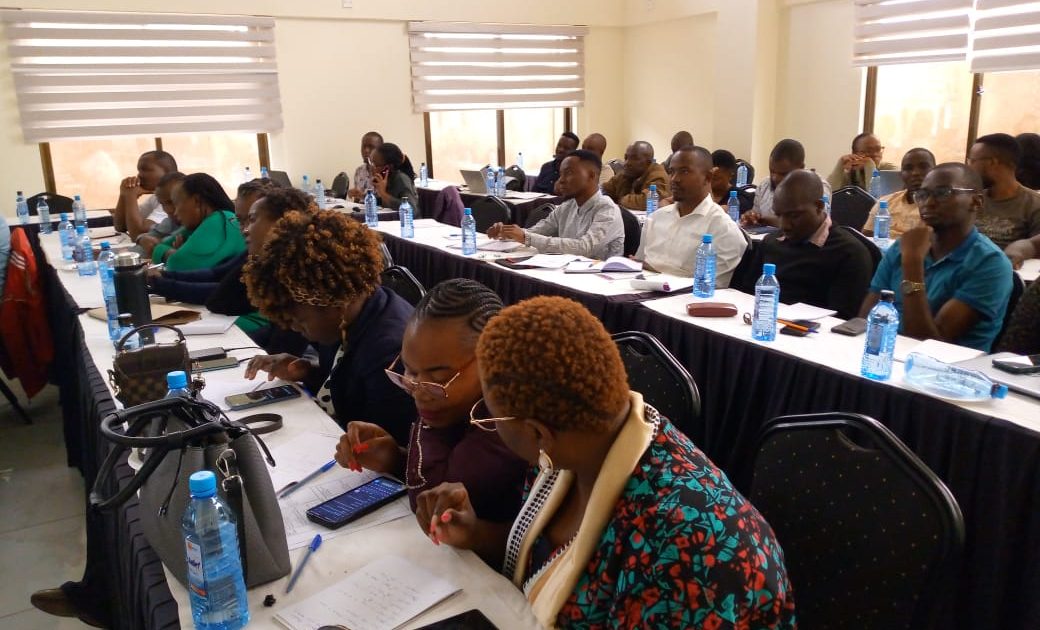
The residents gave their input during a public engagement forum in Voi town on the proposed Poverty Alleviation Empowerment and Enterprise Fund Bill, 2025, a legislative document that seeks to solidify the county’s war on poverty through grants, loans, education, and empowerment programs.
Addressing the press during one of the consultative meetings after the session, the County Liaison Coordinator for Village Enterprise in Taita Taveta County, Esther Kisavi, emphasized that the purpose of the meeting was to collect residents’ views on the proposed bill, which aims to provide a legal framework for sustained poverty alleviation programmes.
Kisavi stated that her organization, Village Enterprise, has been at the forefront of fighting poverty at the grassroots level.
“Our main goal is poverty alleviation. We go directly to the villages, engage with people, and teach them practical ways of escaping poverty,” she said.
She painted a depressing picture of the current state of poverty in the region, saying that data indicates a high poverty index.
“People here go through serious challenges. You’ll find many residents frequently approaching their MCA, governor or MP for assistance with food, fees, or medical bills. That is evidence of deep-rooted poverty that must be addressed structurally,” she noted.
Kisavi added that the project has several arms designed to offer meaningful support to citizens.
“We focus mostly on grants, but there are also educational components to help people gain skills, and the county plans to add loans and credit facilities,” she said.
She clarified that beneficiaries would be identified using scientific tools to determine those living below the poverty line, defined as those surviving on less than 2.15 US dollars a day. “This ensures that support reaches those who genuinely need it,” she emphasized.
Echoing her sentiments, the County Executive Committee Member (CECM) for Youths, Sports, Gender, and Social Services, Shedrack Mtungi, explained that the bill had been in the pipeline for several months following the rollout of the county’s poverty alleviation policy in 2024.
“We realized that having a policy alone was not enough. For us to reach more citizens and to attract external sponsors and development partners, we needed an Act of the County Assembly,” the CECM said.
He explained that the bill targets individuals living in extreme poverty and introduces comprehensive programmes such as business education, training, loans, and grants to beneficiaries.
“The goal is not just to give financial aid, but to empower residents to start and sustain income-generating activities,” he added.
The CECM also reflected on lessons learned from a previous initiative under the former administration, the Datu Sawazisha Fund, which had a good vision but failed due to structural flaws.
“This bill is about rebuilding and correcting those past mistakes. We have now put in place strong systems to make this initiative sustainable,” he assured.
Among the new systems being developed is a digital Management Information System (MIS), which would be fully owned by the county government. This will allow residents to apply for support, be it loans, seed capital, or grants directly through an online platform.
“Once someone applies and is approved, they’ll even receive alerts on their phone. The system will help us track beneficiaries and ensure regional equity in disbursement,” he said.
He added that the county government will allocate 1 percent of its total development budget to the programme, affirming the administration’s commitment to eradicating poverty.
In addition to financial support, the county has been rolling out a variety of other poverty-reduction interventions. These include the provision of subsidized fertilizer, artificial insemination services for livestock farmers, bursaries for needy students, and distribution of event essentials like tents, chairs, and cooking equipment for community use.
The poverty alleviation initiative in Taita Taveta also aligns with national and global strategies.
The Kenyan government, through the Kenya Social Protection Policy launched in 2024, has committed to reducing poverty and vulnerability across the country.
At the national level, programmes such as Inua Jamii and the Hunger Safety Net Programme are offering cash transfers to vulnerable groups, including the elderly and persons with disabilities.
Furthermore, the government’s new Food and Nutrition Resilience Program (FNRP), which was launched in March 2025 with a budget of Sh5 billion, targets 24 arid and semi-arid counties, including Taita Taveta. This effort aims to enhance food security and boost nutrition for about 5 million vulnerable Kenyans.
County officials hoped that by combining national programmes with localized strategies and legislation, the new poverty alleviation bill would offer a sustainable roadmap for economic transformation.
“The strength of this bill lies in its inclusivity, digital efficiency, and long-term sustainability. We are building a structure that will continue to benefit generations, not just as a campaign promise, but as a permanent solution to poverty,” the CECM added.
As residents continued to give their feedback during the public participation phase, there is renewed hope that the passing of the Poverty Alleviation Empowerment and Enterprise Fund Bill, 2025, would mark a turning point in the lives of many who have long been trapped in cycles of poverty in Taita Taveta County.
By Arnold Linga Masila