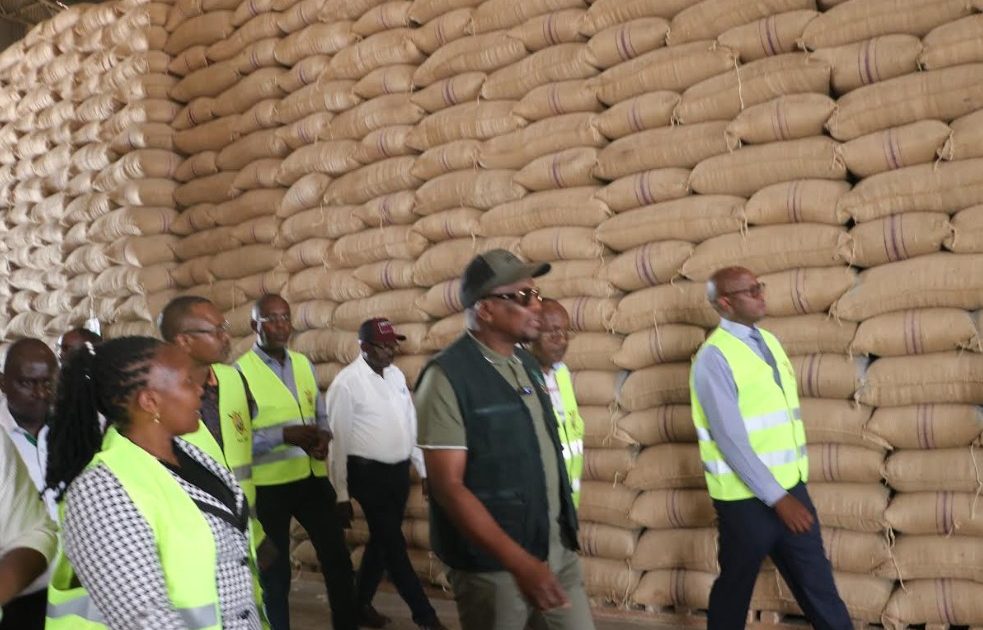
The High Court in Kerugoya has cleared the government to proceed with the importation of 254,000 metric tonnes of duty-free rice in a move aimed at stabilising the country’s rice supply and cushioning consumers from rising prices.
In a ruling delivered on Thursday, Justice Edward Muriithi approved the phased importation of rice in three equal consignments of 85,000 metric tonnes each, scheduled for March, April, and May 2026.
The decision follows a petition that sought to block the imports, with farmers and stakeholders raising concerns over the potential impact on local producers, particularly in major growing regions such as Mwea, Ahero, West Kano, and Bunyala.
However, the court noted that the government had demonstrated that imports were necessary to address a national rice deficit and prevent a looming shortage.
Justice Muriithi observed that Kenya’s current rice production cannot meet domestic demand, forcing the country to rely heavily on imports to bridge the gap.
“There is a convergence of rights in this matter: the public interest in food security, farmers’ economic rights to fair returns, and consumers’ right to affordable, quality food,” Justice Muriithi ruled.
The judge directed the government to purchase all locally produced and processed rice within 30 days from farmers, millers, traders, and businesses across rice-growing regions, including Ahero, Mwea, Bunyala, and Kano, regardless of affiliation with cooperatives or KNTC-contracted groups.
The mop-up will be conducted at prevailing wholesale market prices, guided by the national market price index and in consultation with farmers and traders.
Justice Muriithi warned that buying only at farm-gate prices through cooperatives disadvantages independent farmers and businesses.
“The mop-up must not be restricted to societies working with KNTC. Individual farmers and traders must also be afforded the opportunity to sell their stocks to the government,” the court said.
Rice farmers expressed mixed reactions. Some warned that cheaper imported rice could suppress local prices, hurting farmers already grappling with high production costs.
“We support food security, but the government must also protect local farmers by ensuring our rice is purchased and marketed before imports flood the market,” said a farmer leader from Mwea.
Kenya consumes an estimated 1.2 million metric tonnes of rice annually but produces less than 300,000 metric tonnes, making it one of the country’s most import-dependent staple foods.
By Mutai Kipng’etich