The Judiciary is seeking to be involved in deliberations and decision-making processes at the various international climate change-related forums to enable them to adjudicate climate matters before them more effectively.
This comes after the organ raised concerns over its exclusion from international climate change forums, even as climate-related cases surge within the corridors of justice.
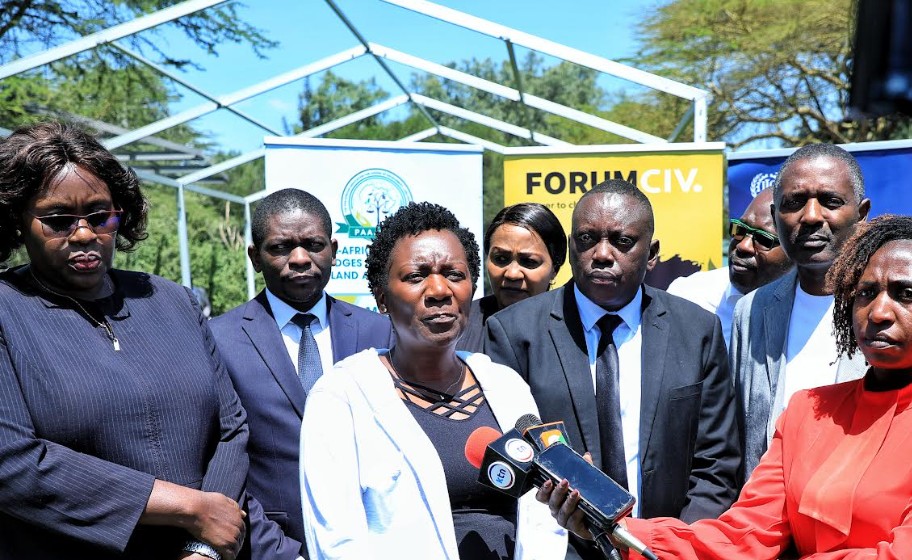
Ahead of the November COP30 summit in Brazil, the Judiciary, through the Pan-African Association of Judges on Environment, Land and Labour (PAAJELLA), described the forums as vital for informed court rulings.
The association urged stronger collaboration to combat climate change, which has triggered extreme weather and environmental degradation, with the threat of large-scale displacements.
PAAJELLA President Justice Jacqueline Mogeni noted judicial teams are absent from international climate forums where key decisions and policies are made.
She warned that this exclusion impedes judges’ ability to stay informed, trained, and capable of guiding the justice system with improved climate-related jurisprudence.
Justice Mogeni lamented that the Judiciary is often engaged only after international decisions are already made, weakening its influence on climate justice.
She also recommended mediation in resolving climate- and environment-related disputes, such as human-wildlife conflicts, and called for the inclusion of magistrates in climate training programmes.
Justice Ocharo Kebira of the Employment and Labour Relations Court in Mombasa said such training will help judges grasp links between climate change and employment issues.
He added that the knowledge will improve judicial decisions and ensure justice for communities affected by climate-related challenges.
On her part, Justice Millicent Odeny reported a rise in climate-related court cases involving pollution and other environmental impacts as communities become more aware of their rights.
She emphasised the global nature of climate change and said training will help judges deliver informed rulings based on sound environmental principles.
On the other hand, Isaac Muema from the ILO said with Swedish government support, efforts are underway to create green jobs in tourism and flood-prone areas, targeting youth and women.
Muema noted that insights from court cases can inform local solutions and foster job creation by addressing environmental challenges at the community level.
Michael Nyongesa of Forum CIV said climate training for judges is critical in building expertise and strengthening environmental jurisprudence across the Judiciary.
He added that the training will bridge knowledge gaps and prepare judges for global forums, including the upcoming COP30 in Belém, Brazil, in November this year.
Nyongesa cited landmark rulings like Save Lamu, where communities resisted a proposed coal plant, as examples of judicial influence on environmental justice.
He stressed that carbon market investors now recognise the importance of due diligence and public participation to reduce future litigation after a court ruled against Northland Trust on issues of carbon market investment.
According to Nyongesa, training programmes will boost judicial capacity to handle environmental matters and deliver fair outcomes for affected communities.
By Erastus Gichohi