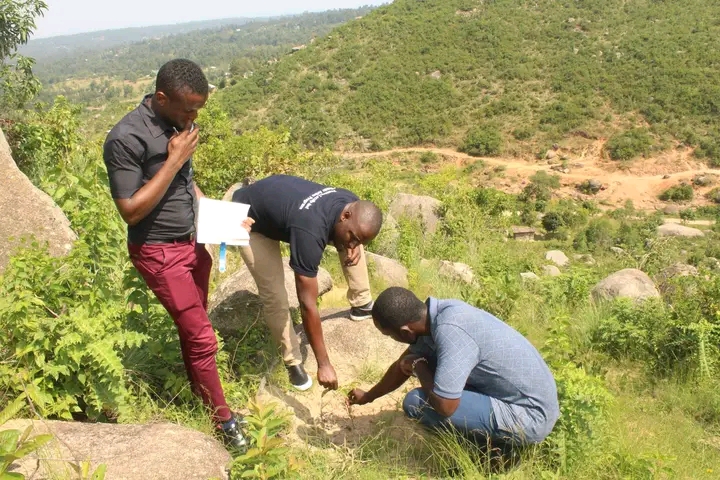
The Directorate of Climate Change conducted an inspection of the ongoing reforestation initiative at Maragoli hills, where over 38,500 indigenous tree seedlings have been planted across 55 acres in a bold move to restore degraded land and enhance climate resilience.
The ambitious project is being implemented under the Financing Locally-Led Climate Action (FLLoCA) Program—a national initiative designed to promote climate change mitigation through community participation and local leadership.
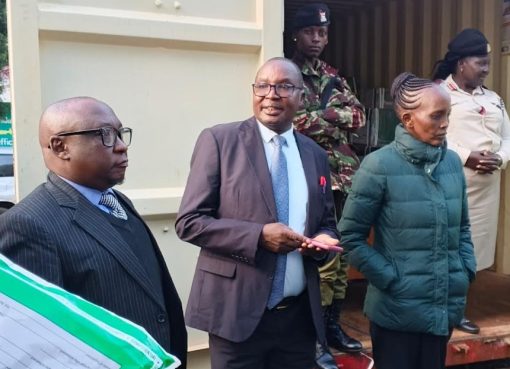
Leading the inspection team in Vihiga was Winstone Atamba, Director of Climate Change from the Department of Environment, Water, Energy, Natural Resources & Climate Change. He praised the steady progress made so far, highlighting the initiative as a model for sustainable land use and environmental restoration.
According to the Directorate, the project commenced with a comprehensive site survey to identify degraded zones and determine optimal planting areas. Over 38,000 planting holes were dug by local workers and community groups, offering both employment opportunities and vital groundwork for the reforestation effort.
The 38,500 native seedlings, carefully selected for their ecological importance and adaptability, were planted in phases to ensure proper care and integration into the landscape. Community engagement has been central to the initiative, with local leaders, youth, and environmental volunteers playing an active role throughout the process.
To support seedling survival, maintenance activities are ongoing—led by trained local scouts who carry out regular monitoring, watering, and protection of the young trees from livestock and other threats.
Director Atamba lauded the efforts of all involved, emphasizing that such grassroots-driven climate solutions are critical in addressing environmental degradation while empowering local communities.
By Welter Tiema