Late diagnosis and stigma are the major stumbling blocks to the fight against tuberculosis (TB), Nakuru County Chief Officer for Public Health Ms Joyce Ncece has said.
Ms Ncece noted that an estimated four out of ten Kenyans suffering from tuberculosis (TB) are unknown and could be fueling the spread of the disease in the country, adding that most people with the disease do not seek care, due to the assumption that their symptoms are not severe enough to require medical attention.
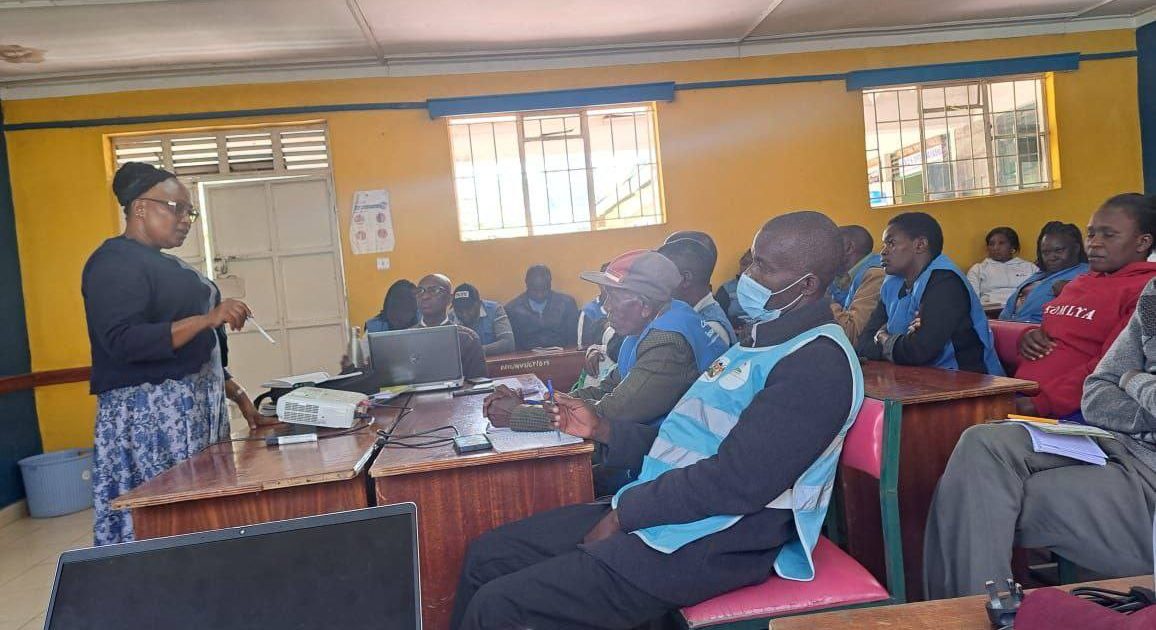
She said the County Government has stepped up efforts to prevent and manage Tuberculosis (TB) through various interventions including training over 100 Community Health Promoters (CHPs) to enhance early TB prevention, detection and treatment at the grassroots level.
Ms Ncece indicated that the training supported by the Centre for Health Solutions – Kenya (CHS) aims to enhance the CHPs’ capacity in TB identification, improve community access to testing and treatment and promote adherence to treatment regimens.
“These are essential measures in tackling delayed diagnosis, treatment interruptions, continued transmission, and TB-related mortality. The training is tailored to enhance the capacity of CHPs in identifying TB symptoms, supporting patients during treatment, and preventing transmission,” stated the Chief Public Health Officer.
She assured residents that the devolved unit had rolled out a number of programs to intensify TB case-finding at the grassroots, increase Lab diagnosis and treatment of TB, particularly in children and individuals with underlying medical conditions, as well as improve the management of drug-susceptible and drug-resistant TB.
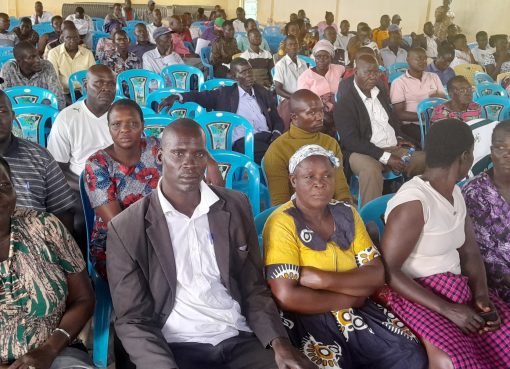
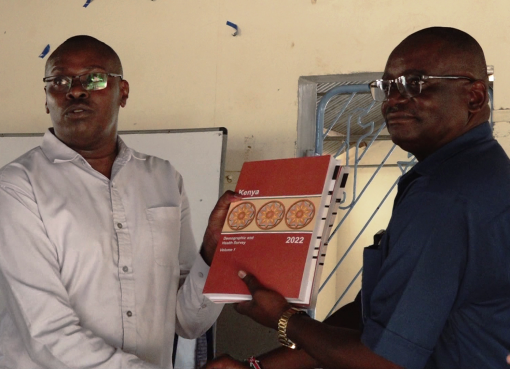
Speaking during the launch of the training program for the CHPs, the Chief Officer expressed optimism that the initiative will lead to enhanced public awareness, strengthened TB case detection, better patient adherence and reinforced follow-up efforts at the community level.
“This initiative aligns with the National Strategic Plan (NSP) for TB 2023/2024 and 2027/2028, which emphasizes the integration of TB services into community health platforms. Alarmingly, the NSP reveals that 48 percent of TB cases in Kenya remain undiagnosed, highlighting the urgency of community-based approaches,” explained Ms Ncece.
She said the devolved unit was also continuously carrying out surveillance among county residents who did not exhibit symptoms of the disease as a significant proportion of Kenyans are carriers of Latent TB.
“We need to catch the condition early and treat it before it makes people sick. This will bring down the cases of Active TB in the country. We are widening the scope of latent TB screening and treatment,” noted the official.
“Some sections of the population due to their low immunity that may be as a result of various factors, are likely to develop Active TB if they are carriers of Latent TB. In order to prevent that from happening, we need to screen them and treat the condition. Generally, if your immunity is likely to be low for one reason or another, then it’s important you present yourself to be screened for Latent TB,” advised Ms Ncece.
Other high-risk groups that are targeted for Latent TB screening and treatment include people receiving dialysis, those preparing for organ transplants as well as people with non-communicable diseases like cancer and diabetes as their immunity is usually low.
She stated that medical personnel would work closely with CHPs to trace missing people infected with the disease so that they can be screened and put on treatment to prevent further transmission.
She added, “To win the war against tuberculosis, we need to suppress disease transmission through similar public health interventions that worked for Covid-19, detect and successfully treat all cases, have an effective contact tracing programme, and protect those amongst us who are vulnerable to infection.”
To improve early detection, Ms Ncece revealed that the county government and its key stakeholders in healthcare would continue to conduct and support health awareness promotion campaigns which employ easy-to-understand but high-impact information within social and mainstream media and similar methods.
According to the official, the devolved unit was collaborating with the private health care providers as such partnerships improved early TB diagnosis irrespective of where the patients first seek care, in the health system, and establish mechanisms that allow for efficient and high-quality diagnosis and treatment.
County TB Coordinator Dr Neimah Barasa underscored the critical role of CHPs in bridging the gap between the community and health facilities.
She expressed regret that drug resistant cases have increased due to poor adherence to the prescribed regimen.
Dr Barasa indicated that the Department of Health has been undertaking sensitization among health care givers and community health workers who in turn educate the masses on TB prevention, timely diagnosis and seeking relevant medical attention.
She said that TB remains a major public health problem and the leading killer of people living with suppressed immunity despite the fact it is a preventable, treatable and curable disease.
Dr Barasa added that the health department has been educating the public on TB infection prevention and control measures such as cough hygiene, opening windows in congested rooms and seeking treatment for those with active TB.
TB is a contagious airborne disease that is spread when people with the disease cough, sneeze or spit. It has been identified as one of the diseases that compound respiratory complications.
The Public Health Act CAP 242, section 17 classifies TB as a notifiable infectious disease. The act states that those suffering from the notifiable infectious diseases should be isolated in a designated place and detained while taking medication until the assessment by a Medical Officer of Health ascertains that the person is free from infection and can be discharged without endangering public health.
By Jane Ngugi