The European Union ambassador to Kenya, Henriette Geiger, has said the EU has invested millions in the fight against Gender Based Violence with more emphasis on Female Genital Mutilation (FGM), which she termed as a major stumbling block in the progress of the country.
The envoy said the EU has been engaging with the community through dialogue with elders and youth, among others, to change their perception about FGM citing the use of caravans dubbed “Born Perfect”, which frontline activists use to traverse villages to convince residents that FGM is no longer necessary.
Speaking when she led an EU delegation during a courtesy call to the governor in Iten, the ambassador said they had decided to engage the community directly, saying while FGM is illegal in Kenya, the law alone cannot change cultural norms.
The United Nations Population Fund (UNFPA) Kenya Deputy Representative Pilar de la Corte Molina said after talks with athletes on GBV, they had realised that despite having developed Standard Operations Procedures (SOPs) for training camps, there were still so many challenges facing athletes.
“We are happy to have contributed to a better training environment but we still have a lot of work to do to ensure that athletes can thrive and focus on their training without being worried of being harassed,” she said.
Culture, the Arts, and Heritage Cabinet Secretary Hannah Cheptumo said 30 per cent of women aged between 15-49 years have experienced GBV in the county, saying the government was working with all partners to combat the vice.
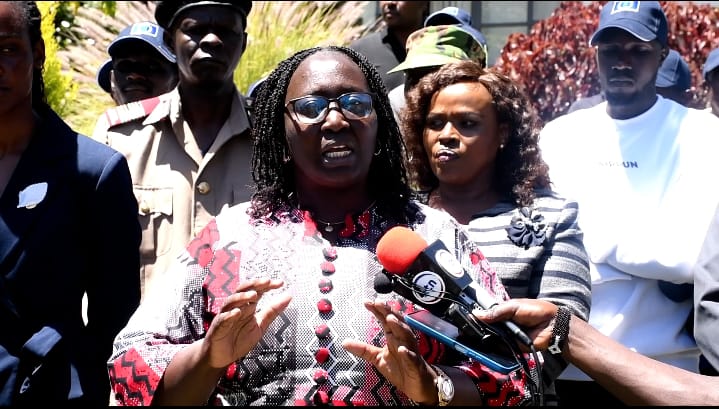
Deputy Governor Prof. Grace Cheserek said the county will ensure that all training camps enforce the SOPs, adding that it will regulate all coaches by ensuring they are registered and issued with certificates.
She added that they were also planning to empower the athletes with legal education so that they are knowledgeable when signing contracts.
The DG said the county has between 4,000-5,000 athletes, both local and international, saying some of the challenges raised by athletes were the lack of a government-owned training camp which can accommodate upcoming athletes.
By Alice Wanjiru