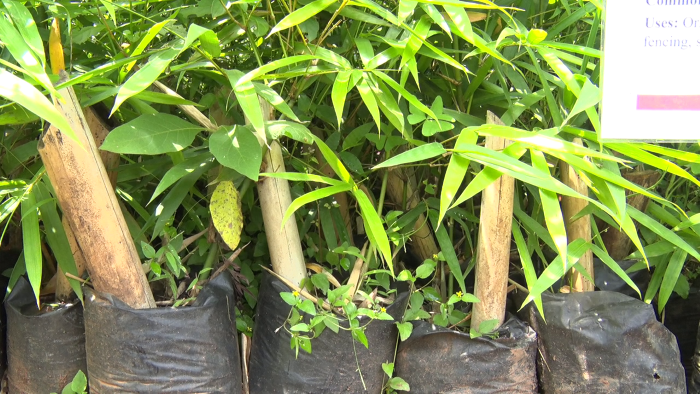
Farmers in Kakamega County have been urged to remove eucalyptus trees along river banks and replace them with indigenous ones.
Kakamega County Director of the National Environment Management Authority (NEMA) Saisi Aura says eucalyptus trees planted on water catchment areas have contributed to the drying of rivers and springs.
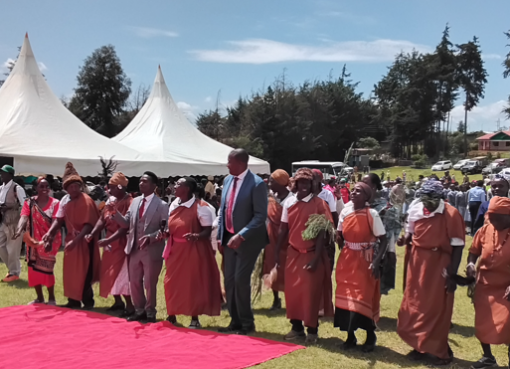
Speaking during a public baraza in Kabras East, Kakamega County, convened by the Western regional commissioner Irungu Macharia, Saisi told local farmers that they have an opportunity to earn carbon credits by planting indigenous trees that absorb and store large amounts of carbon dioxide and hence enhance sustainable livelihoods.
A carbon credit is a tradable certificate that represents the reduction or removal of one ton of carbon dioxide (CO2) from the atmosphere.
Scientific research has shown that, unlike blue gum trees, indigenous ones are good for carbon credits because they absorb and store large amounts of carbon dioxide through photosynthesis and offer sustainable livelihood opportunities for local communities.
Saisi observed that Kakamega County is facing environmental challenges that need to be addressed through planting the right type of trees.
Western regional commissioner Irungu Macharia asked chiefs to ensure they adhere to the directive of leading residents in planting trees, the first Friday of the month which is part of their performance appraisal target.
The government has, in the past two years, embarked on a greening programme where assorted fruit and indigenous trees have been planted in public spaces in a move to meet President William Ruto’s programme to plant 15 billion trees by the year 2032 and help address climate change being experienced across the globe.
By George Kaiga