A growing number of farmers in Tindiret Sub County are turning to short-season farming, a practice that is reshaping agricultural trends in the area.
With shifting weather patterns, rising costs of production, and the need for quick returns, many households are now focusing on crops that mature fast and provide reliable harvests within shorter cycles.
Maize, beans, and vegetables such as kale and spinach dominate the short-season crop list.
According to Peter Kiplagat, a farmer from Songhor, maize remains the backbone of subsistence farming because of its dual use as food and animal feed.
“Even though the yields may not be high in a short season, maize still guarantees something on the table,” he explained.
Beans are equally popular, with several growers noting that the legume matures in about two to three months, fitting perfectly within the brief rainy spells.
Mary Jepchirchir from Kapkatet observed that beans also enrich the soil with nitrogen, which reduces fertilizer costs for the next planting.
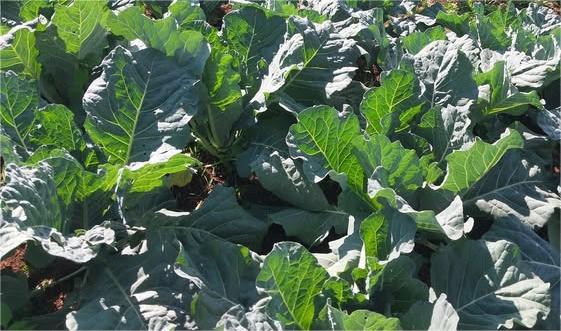
Vegetables, particularly kales, spinach, and cabbages, are favored by many small-scale farmers who target local markets.
David Rono, a grower from Chemelil, noted that vegetables are in constant demand and provide steady cash flow, especially when sold in local centres and schools.
Sweet potatoes are also emerging as an alternative short-season crop.
Farmers say the tubers are hardy and require little maintenance, making them ideal for households with limited resources.
Anne Chepkorir, who farms near Tinderet town, remarked that sweet potatoes provide both food security and an income when surplus is sold.
Groundnuts have gained popularity among farmers in some parts of Tindiret. Their short growth cycle, coupled with high market prices, makes them an attractive choice.
“Groundnuts fetch better returns compared to maize in a short season,” said Joseph Mutai from Kibware.
Sorghum and millet are also planted by some households.
Farmers note that these traditional cereals are drought-tolerant and can withstand erratic rains, making them a safeguard against crop failure.
Ezekiel Cheruiyot, a local elder from Kabiemit, pointed out that millet remains culturally important during ceremonies, adding to its value.
The preference for these short-season crops is largely influenced by unpredictable weather.
Farmers explain that the long rains have become unreliable, forcing them to adapt to shorter and less intense growing seasons.
“We cannot risk planting long-maturing crops anymore,” said Sarah Chemutai from Kaptumo.
Rising input costs are another factor driving the shift. Farmers say that fertilizers and pesticides are too expensive to justify long-season crops, which tie up resources for months. Short-season farming, they argue, reduces risks since investments are recovered quickly.
Market demand also plays a major role. Several farmers revealed that consumers increasingly prefer fresh produce like vegetables, which guarantees steady income.
“If you plant kales today, in a few weeks you start harvesting and earning,” explained Paul Kipkemboi, who trades in Tindiret market.
Another factor behind the rise of short-season farming is the availability of improved seed varieties. Farmers report that local suppliers have introduced early-maturing seeds for maize, beans, and vegetables, helping them cope with changing conditions.
Lucy Cherono of Kipsirgo village said she now plants fast-growing beans that mature in just 70 days.
Land pressure has equally contributed to the trend. With more people relying on small plots, many households prioritize quick-maturing crops that maximize returns within limited space. Farmers agree that these crops fit well with intercropping practices, improving both food and income security.
John Kiptoo from Cheplaskei said he intercrops beans and maize to get both food and income within one season.
Farmers say that short-season crops provide a safety net against climate change.
Naomi Jepng’etich, a farmer in Kapchemosin, summarized the sentiment: “We plant what can survive the short rains. It is better to harvest something small than to lose everything.”
By Sammy Mwibanda