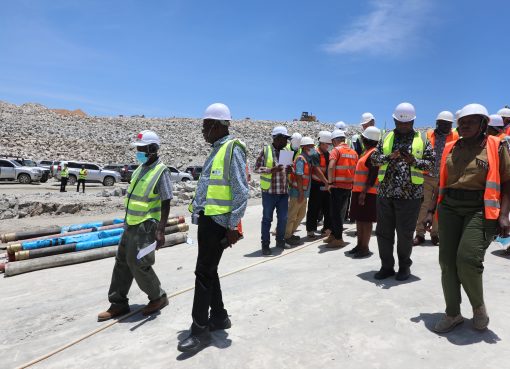
Communities, particularly farmers, need to adopt modern technologies, innovations, and management practices to achieve Climate Smart Agriculture (CSA) productivity, which ensures increased yields, enhanced resilience, and reduced greenhouse gas emissions.
Dr. Violet Kirigwa, Assistant Director of Knowledge Management at the Kenya Agricultural Livestock Research Organization (KALRO), emphasized the importance of equipping farmers with relevant information, scientific knowledge, and access to technologies. Speaking in Rombo, Loitokitok, Kajiado County, during a tomato production and hydroponic training program in collaboration with the Korea Program on International Agriculture (KOPIA), she noted that tomatoes are one of the most important and nutritious crops in Kenya.
“Tomato production has faced challenges, particularly under open cultivation. Climate change necessitates alternative methods,” Dr. Kirigwa said. She explained that hydroponics allows farmers to grow tomatoes year-round, independent of weather conditions, ensuring continuous market supply and stabilizing prices.
“The technology minimizes pests and diseases, maintains hygiene standards, and increases overall productivity, allowing farmers to earn additional income,” she added.
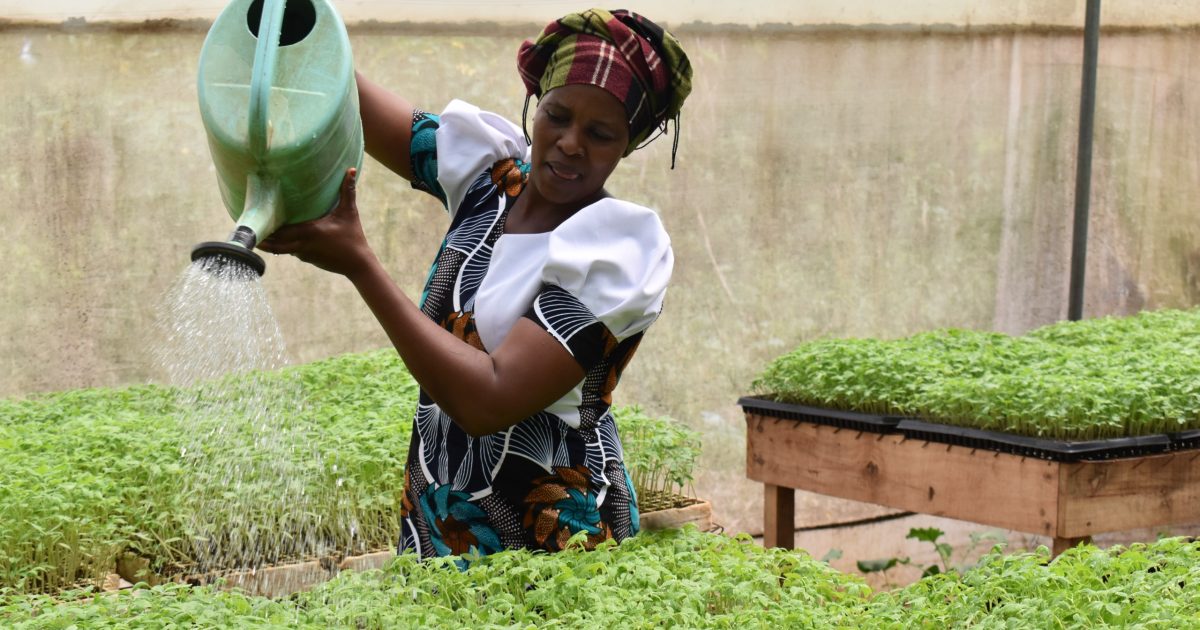
Dr. Kirigwa also highlighted KALRO’s new tomato breeding program, which will release indigenous varieties that are affordable and readily available, reducing reliance on expensive imported hybrids. Farmers will be trained to produce seedlings locally, optimizing production through hydroponics and greenhouse technologies.
Mariam Sunte, a tomato farmer from Rombo, praised KALRO’s support since 2020. “Earlier, pests and post-harvest losses were major challenges. Now, hydroponics training ensures consistent tomato supply throughout the year,” she said. Sunte added that integrating greenhouse technology with hydroponics will allow farmers to manage pests and crops more efficiently, improving yields.
Dr. Ji Gang Kim, KOPIA Kenya Centre Director, explained that the training focused on protected cultivation in greenhouses and hydroponics, reducing reliance on open-field farming. “Some Kenyan farmers use greenhouses, but productivity remains low due to limited skills in protected cultivation. These techniques improve crop management, reduce labor costs, and protect crops from climate variability,” he said.
Hydroponic technology, Dr. Kim added, delivers nutrients directly to plant roots, producing high-quality, safe, and less contaminated tomatoes. While installation costs are high, the benefits include tripled productivity, reduced post-harvest losses, and climate resilience. “Over 90 percent of tomatoes in Korea are grown hydroponically, producing nutrient-rich crops despite climatic challenges. If Kenya adopts this, productivity will significantly improve,” he noted.
Shadrack Mwania, a Rombo farmer, said local seed production will reduce costs from Sh7 to Sh5 per seedling, boosting farmer income. Joseph Macharia from the Kajiado County Department of Agriculture explained that tomato farming under irrigation is increasingly expensive due to climate change. Farmers have been recycling seeds or quitting farming. The introduction of hydroponic greenhouses and local seed production is encouraging them to return.
“Training youth to produce seedlings locally will revive tomato farming in Kajiado,” Macharia said. He added that production costs average Sh300,000 per season but, with hydroponics, farmers can access regional and export markets, including neighboring counties and Tanzania.
Naftali Chege, Rombo Agricultural Extension Officer, said farmers are now trained in clean seedling propagation within greenhouses. “We have trained success groups to produce seedlings locally, sell to other farmers, and earn income. Rombo has about 3,000 tomato farmers cultivating 5,000 acres, producing around 50 metric tons per season. With these technologies, yields could double to 100 metric tons,” he explained.
Government support, through initiatives like the Korea-Africa Food & Agriculture Initiative (KAFACI), is promoting climate-smart practices, irrigation, resilient seeds, and training at county level to strengthen tomato production.
Dr. Kirigwa emphasized that hydroponics and greenhouse cultivation address pests, reduce production risks, and ensure continuous supply. “These innovations are crucial for Kajiado, where tomatoes are vital crops. By adopting them, farmers can achieve higher yields and better income,” she said.
Mariam Sunte added that hydroponics training is empowering farmers to overcome the limitations of open-field cultivation and maintain consistent productivity. Shadrack Mwania noted that local seedling production will enhance access, reduce costs, and support sustainable farming practices.
Dr. Kim reiterated that adopting hydroponics and greenhouse technologies aligns with CSA principles, improving productivity, resilience, and environmental sustainability. These methods also enable year-round production, stabilizing market supply and prices.
Joseph Macharia highlighted that the integration of youth and farmer groups into seedling production and hydroponic training will significantly improve local production. Farmers are now better equipped to face climate change challenges and meet market demand.
Naftali Chege concluded that clean seedling propagation ensures disease-free crops, doubling productivity and improving quality. With government and KOPIA support, farmers in Rombo and beyond are expected to benefit from improved tomato production systems, boosting income and food security.
by Wangari Ndirangu