Ferry services at the Likoni crossing channel in Mombasa are set for upgrade to enhance operational efficiency, improve safety, security and passenger satisfaction.
The significant upgrades, renovating existing terminals and new maritime constructions for ferry crossings, seeks to enhance connectivity, streamline logistics and boost tourism in the port city of Mombasa.
Residents and investors have long recognized the need for robust maritime infrastructure projects, to support port and maritime trade as well as the tourism industry.
Kenya Ports Authority (KPA) has mooted a new traffic circulation management plan to modernize ferry terminals, enhance connectivity and meet world class safety standards.
The move is seen as a step toward revitalizing Mombasa’s waterways, providing both residents and visitors with a scenic, environmentally friendly, and congestion-free travel alternative.
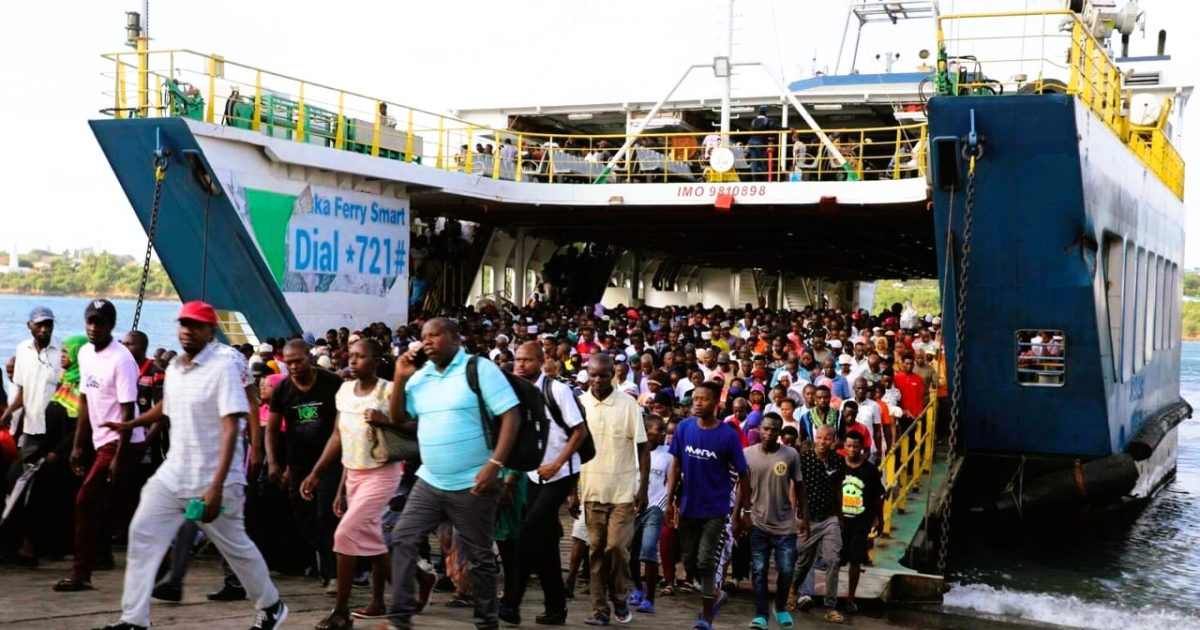
Likoni ferry service operates across the Likoni crossing channel connecting Mombasa Island to the mainland south and onward to Kwale County and the neighboring Tanzania.
This service operated by Kenya Ferry Services (KFS) 24/7, is a vital transportation link that carries thousands of pedestrians and vehicles daily, across Kilindini harbour. Pedestrians cross for free, while vehicles pay a fee.
MV Jambo, MV Kwale, MV Likoni, MV Kilindini, MV Nyayo and MV Harambee, currently ply the Likoni crossing channel.
Mombasa’s ever-growing traffic congestion has been a challenge for both residents and tourists crossing the Likoni crossing channel.
The upgrades will see passenger holding bays expanded and rebuilt with better lighting and seating arrangements, while landing ramps will be widened to ease the constant pressure of vehicles moving in and out of the ferries.
Pedestrian skybridges and safer waiting sheds will be added to protect commuters from the daily scramble, while the bus terminal will be relocated and formalized to end the chaos of uncoordinated boarding.
The plan also integrates economic opportunities by creating more than 900 stalls for informal traders, ensuring small businesses remain part of the ferry ecosystem.
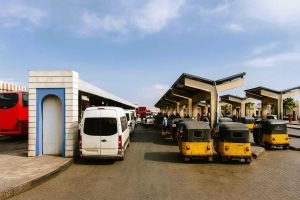
Together, these changes are designed to transform the crossing experience from today’s crowded struggle and into a safer, faster and more dignified daily journey.
Construction is set to kick-off in a month’s time on the mainland Likoni side and will run over 24 months.
Political leaders, tour operators, SMEs, transporters and other immediate stakeholders expressed strong support for the envisioned marine project.
KPA Managing Director (MD), Capt. William Ruto, in a speech read on his behalf by KFS General Manager Bakari Gowa, promised to ‘restore dignity to daily movement’ and deliver smarter safer ferry services.
Capt. Ruto emphasized that the design rests on five pillars of connectivity- spatial, functional, environmental, social and cultural, ensuring the ferry space will not only be efficient but also inclusive and dignified.
The KPA MD emphasized that the new ferry upgrades and services would offer a completely unique travel experience for Mombasa residents and tourists alike.
He said with modern facilities and world-class tourism infrastructure, Mombasa is set to position itself as a leading destination for water-based travel.
“For ferry users, this means shorter waits, safer crossings and a daily journey that finally respects people’s time and dignity.” MD Ruto observed.
He said that KPA is working to modernize ferry infrastructure and enhance sustainable mobility.
The KPA MD said the ambitious plan seeks to enhance coastal connectivity, promising a smoother, faster and more affordable travel experience for residents, tourists, traders and motorists.
Likoni Member of Parliament (MP), Mishi Mboko, welcomed the plan as a ‘significant milestone and long overdue’, adding ‘if we had this before, we wouldn’t have faced past safety breaches,’
MP Mboko said the upgrades will boost trade and tourism in the coastal city, making it easier for both the residents and visitors to explore the beauty of the port city.
She said the new initiative will significantly expand the public ferry network, improve maritime transportation infrastructure and uplift community living standards.
Mboko said the move will significantly reduce travel barriers for residents and promote equitable access to economic and social opportunities in the Coastal County.
Mombasa County Commissioner, Mohamed Noor, praised the inclusivity of the design, highlighting new facilities for persons with disabilities and clear segregation of passenger movement.
The Senior Administrator stated that with the new momentum on the transport plan, ferry users expect to experience a stress-free, efficient, seamless and scenic travel enhancing connectivity.
Noor who is also the Chairman of the National Government Development-County Implementation, Coordination and Management Committees (NGD-CICMC), said infrastructure upgrade is a fundamental element in economic resilience and sustainable tourism.
He said the ferry upgrades will reduce traffic bottlenecks during tourist peak seasons when there is influx of tourists and vehicles.
Dr. Sam Ikwaye, the Kenya Association of Hotelkeepers and Caterers (KAHC), Coast Branch Executive Officer, highlighted that the new ferry measures are crucial for maintaining Mombasa’s reputation as a world class tourism destination.
Dr. Ikwaye said with its pristine beaches, luxury hotels, heritage and cultural attractions, Mombasa is a magnet for domestic and international tourists.
He said efficient transportation is key to sustaining the momentum and accommodating the growing number of visitors annually to the coastal region.
The veteran hotelier also welcomed the commencement of the Mombasa Commuter Rail Service from Mombasa (SGR) Terminus to Mombasa Central Business District (CBD) , a nearly 14 km journey.
“We are happy that through the enhanced mobility we can now focus on Mombasa and bring back the good vibes through restaurants and nightlife,” he said.
He said the authorities should now work on improving security, lighting and amenities with focus on green and open spaces.
By Hussein Abdullahi