Kenya’s HIV response, like that of many sub-Saharan African countries, is under renewed strain following major global funding cuts, particularly from the United States.
The issue took centre stage during the first press briefing of the IAS 2025 Scientific Conference, where leading researchers warned that funding shortfalls are already threatening critical HIV services.
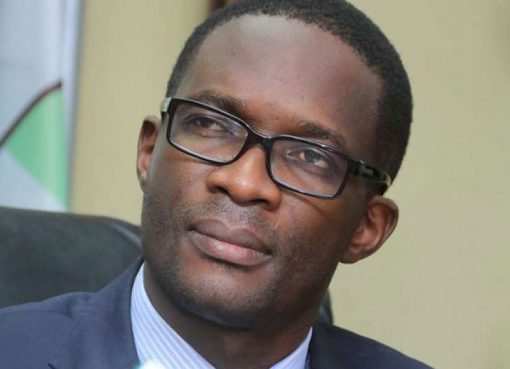
Dr. Kenneth Ngure, IAS President-Elect and a leading HIV researcher from Kenya, said the withdrawal of U.S. PEPFAR support is destabilising health systems across the continent.
“The sudden cuts to U.S. funding have been deeply felt across the continent. The data shared at IAS 2025 shows how fragile our gains are. The studies offer real-world insights into how these actions are impacting vulnerable populations,” said Prof. Ngure.
In Kenya, over 1.4 million people live with HIV, and more than 1.2 million rely on antiretroviral therapy (ART). Nearly 70% of HIV programmes are donor-funded, mostly through PEPFAR. A reduction in this support puts both lives and decades of progress at risk.
In 2023 alone, Kenya received USD 350 million in PEPFAR funding — support that sustains the majority of HIV-related commodities and services. The sudden financial shock now threatens Kenya’s HIV response and the broader health system. Patients are already resorting to desperate coping strategies:
“I split my ARVs with my daughter when stockouts hit. Better we both survive half-strength than one dies,” said a Widow in Turkana.
A rapid national assessment by the National Syndemic Diseases Control Council (NSDCC) conducted between April and May 2025, collected data from 5,245 health facilities representing 54% of active public health sites and 259 care recipients across all 47 counties and found that over 40% of public health facilities experienced major service disruptions. Counties like Kajiado, Kakamega, and Nyamira were among the worst affected.
The press conference also highlighted modelling and real-world data from other African nations, warning of the broader risks vulnerable populations face due to the disruption of the U.S. President’s Emergency Plan for AIDS Relief (PEPFAR) funding.
From Mozambique, where over 2 million people live with HIV, statistics showed that just one month after the U.S. funding pause, the country saw a 25% drop in adult ARV initiations, a 38% reduction in viral load testing, and a severe collapse in paediatric HIV monitoring.
In South Africa, the termination of a key PEPFAR-funded programme, APACE, caused a 30% drop in ART initiation and a 31% reduction in new HIV diagnoses within a single quarter. These findings ring alarm bells for Kenyan counties with similar donor-supported programmes.
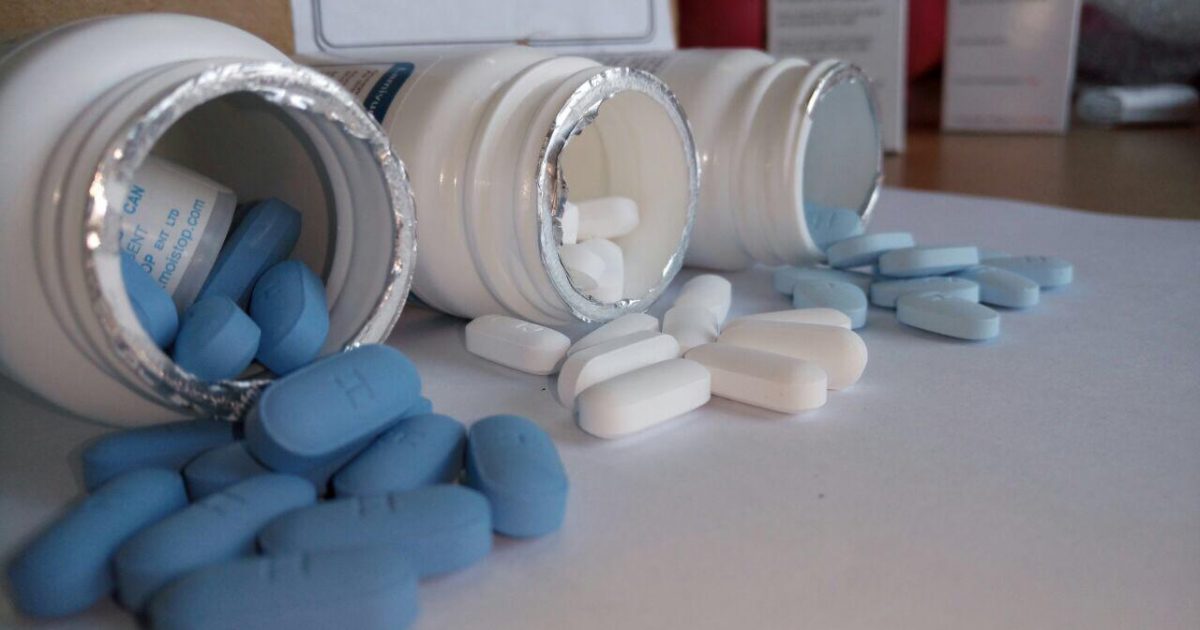
“Stopping PrEP funding in 28 African countries could result in 10,000 additional infections within five years,” said Dr. Jack Stone of the University of Bristol.
In response to shrinking resources, many facilities have resorted to integrating HIV, TB, and reproductive health services. But experts warn that this has come at a cost, particularly to patient confidentiality. Key populations and youth are increasingly dropping out of care.
“This isn’t just about budget lines. It’s about whether people get to live,” said Dr. Joan Awino, a community physician from Homa Bay.
Civil society groups and IAS leaders are now urging governments to plan for a future where donor aid is less predictable. At the same time, they are calling on global funders to avoid abrupt withdrawals that could reverse decades of progress.
“We fought for treatment when the world said it was impossible. We must now fight to protect what we’ve built,” said South African activist Zackie Achmat.
As Kenya prepares to join global delegates at the 13th IAS Conference on HIV Science in Kigali from 13th to 17th July 2025, the stakes are high. Experts emphasise that this year’s gathering is not just about celebrating new scientific breakthroughs. It is also about defending the health systems that deliver them.
In Kenya, key recent statistics are recorded as follows: HIV prevalence: 4.0%, People living with HIV: 1.4 million, People on ART: ~1.2 million, PrEP users (2024): 180,000+, U.S. PEPFAR support to Kenya (2023): USD 350 million, PEPFAR dependency (commodities/services): ~70%
By Violet Otindo