The State Department for Livestock Development has conducted a public stakeholder participation forum for the operationalization of the Bachuma Livestock Quarantine Station, a Vision 2030 flagship project aimed at transforming Kenya’s livestock export industry.
The forum, held on November 26, 2025, brought together communities, county governments, exporters, producers, and development partners to discuss the proposed lease arrangement that will see a private investor complete pending works and manage the quarantine facility.
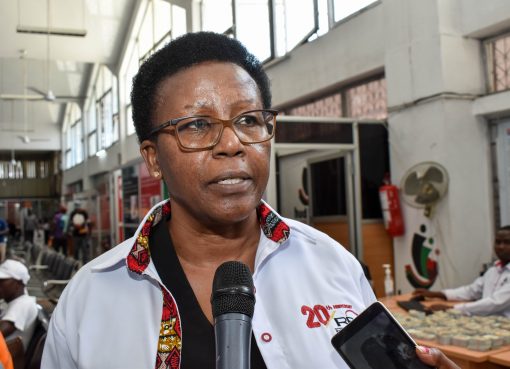
Dr. Damaris Mwololo from the Ministry of Agriculture and Livestock Development expressed satisfaction with the engagement, noting that the exercise had been successful in capturing public sentiment.
“We have collected many views from the public. We’ve had their concerns; we’ve heard the worries that they have, and we’ve also been able to capture the excitement that they have about having this investment start here in this area of Maungu,” she said.
The facility, established by the Government of Kenya through the State Department for Livestock Development, is designed to increase access of Kenya’s animals and animal products to local and international markets through enhanced livestock health screening, quarantine, and certification as per international sanitary and phytosanitary requirements.
Dr. Mwololo assured residents that the government would address all concerns raised during the forums. She stated that, “We are going to take into consideration all the concerns that they’ have raised and be able to come back and give response to what they wish us to clarify on. So yes, we give that reassurance that we will be able to come back and make sure whatever we have indicated is fulfilled.”
The operationalization comes at a critical time when Kenya has been working to re-establish its livestock export markets, with growing demand for cattle, sheep, goats, and camels from Gulf States including Saudi Arabia, Oman, Qatar, UAE, and Mauritius.
These importing countries require livestock to undergo quarantine in veterinary-approved, internationally compliant facilities.
Dr. Joseph Wairia, a Veterinary Officer from the Directorate of Veterinary Services revealed ambitious projections for the facility once operational.
“We have projected that in the short term when this facility is operational in the near future, that we will have about 500,000 sheep and goats being processed, about 50,000 herds of cattle and about 10,000 camels per year,” he disclosed.
He emphasized the economic benefits the project would bring to the region stating, “This will bring an enormous economic gain to the Taita Taveta County Government and to the country at large, and also enormous opportunities to the neighboring communities and the neighboring ranches who are doing their livestock production activities in the area.”
The government has opted for a lease model due to funding constraints for fully completing and running the facility. Under this arrangement, the investor will complete remaining infrastructure and manage operations while the government retains full ownership of the land and assets.
All infrastructure improvements will revert to the government at the end of the lease period.
The facility is expected to create more than 50 direct jobs and numerous indirect opportunities in the livestock value chain, including increased demand for fodder, transport, and veterinary services.
The government also projects the potential establishment of secondary facilities such as export-standard slaughterhouses, tannery and hide processing units, and rendering plants.
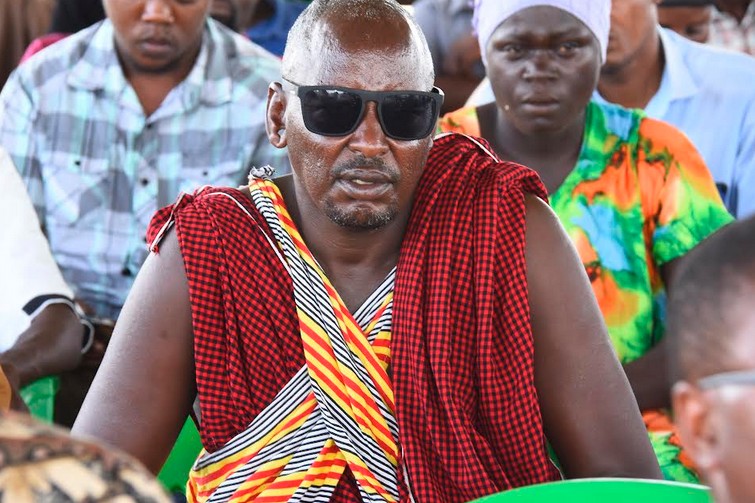
An area resident and activist Idris Mohammed from Marungu Ward supported the project, noting that the facility had been dormant for too long. He explained that the station was previously under county government management but collapsed due to financial constraints.
Mohammed urged the government to bring in the investor quickly, noting that already invested items were being stolen and the private investor would be able to secure the project.
While some participants raised concerns about land issues and potential displacement, Mohammed called for the lands department to clearly demarcate public land boundaries to prevent future conflicts.
by Arnold Linga Masila