The Government has reiterated its commitment to promoting safe, orderly, and well-managed migration, recognising its central role in national development, cultural diversity, and social cohesion.
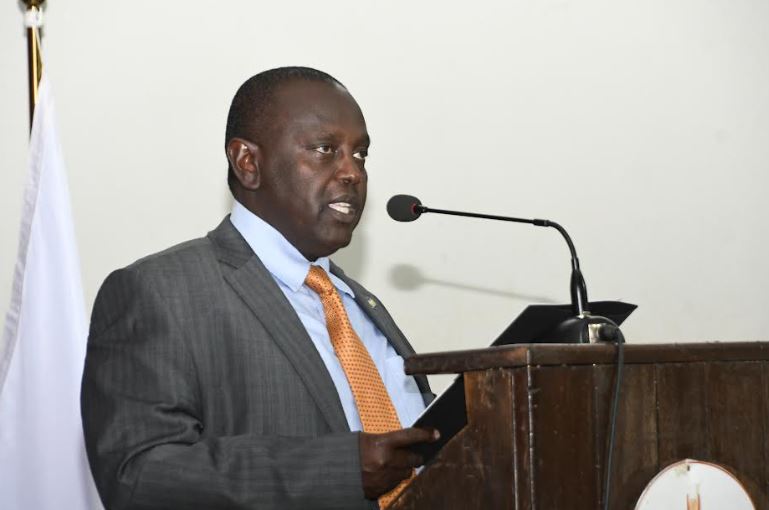
Principal Secretary (PS) for Immigration and Citizen Services, Dr. Belio Kipsang, said migration should be viewed as a driver of development and cultural exchange, rather than solely the movement of labour or capital.
In commemoration of International Migrants Day at the Nairobi National Museum, Dr. Kipsang, in a speech read on his behalf by Immigration Secretary of Administration Serser Chelulei, noted that the day provides a platform to celebrate migrants’ success stories, lived experiences, and aspirations, while advocating for their inclusion socially, economically, and culturally.
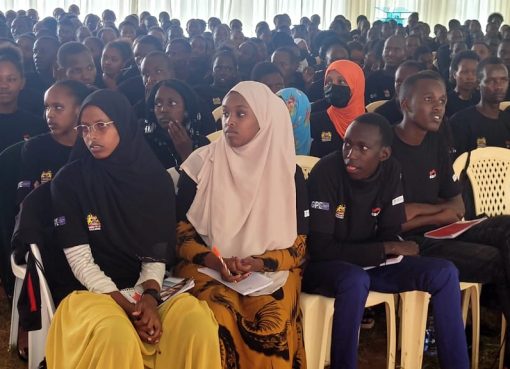
The event featured a procession from Nyayo House to the National Museum, cultural performances, and exhibitions highlighting migrants’ experiences, histories, and contributions to national development.
He emphasised that migrants contribute significantly to Kenya’s socio-economic fabric, enriching cultural life while linking societies through skills, remittances, ideas, and social networks. “Migration introduces new foods, languages, festivals, and creative expressions into host societies, while migrants also send back ideas, skills, and norms that transform life at home,” he said.
Dr. Kipsang further described migration as a dynamic, multidirectional process shaped by identity, institutions, and transnational connections. He highlighted the importance of policies that promote inclusion, protect migrants’ rights, and strengthen social cohesion.
The Director-General of the National Museums of Kenya, Prof. Mary Gikungu, explained that migration has shaped Kenya’s history from prehistoric times to the present. In a speech delivered on her behalf by Dr. Purity Kiura, she traced human movement from early adaptations such as bipedalism, tool use, and fire control, to later migrations by Cushitic, Nilotic, and Bantu-speaking communities, which influenced settlement, governance, agriculture, and social structures.
Prof. Gikungu also highlighted the role of Indian Ocean trade and colonial-era migrations in shaping Kenya’s multicultural identity, including the development of Swahili culture and coastal towns. “Migration is continuous, dynamic, and foundational to civilisation,” she said, emphasising the role of museums in preserving collective memory and transforming migration into a shared human story.
IOM Deputy Chief of Mission, Faisal Sharif, likened the symbolic walk to the Museum to the difficult journeys migrants undertake, often crossing harsh terrains with limited food, water, and shelter, exposing them to exploitation, violence, and death. He cited the Eastern Route from the Horn of Africa to the Middle East as among the most dangerous corridors.
Sharif highlighted coordinated response plans by IOM and the Government of Kenya to address irregular migration, protect vulnerable migrants, and provide humanitarian assistance. He stressed the need to expand safe, regular migration pathways to reduce life-threatening risks, particularly for unaccompanied children, young women, and other vulnerable groups.
Nihan Erdoğan, Deputy Regional Director at IOM Regional Office for East and Horn of Africa and Southern Africa, emphasised migration’s development impact through remittances supporting education, healthcare, businesses, and community projects. She called for strong multi-stakeholder partnerships to ensure policies meet practical needs, protect migrant rights, and harness migration for development.
By Naif Rashid