An estimated 21,000 women in Kenya are hospitalized with complications consistent with abortion, while another 2,600 die due to unsafe abortions annually.
Factors that contribute to this situation are limited access to safe services, cost of safe procedures, lack of legal and policy frameworks and inadequate sexuality education.
According to Dr. Albert Ndwiga, the Family Planning (FP) Program Manager at the Ministry of Health (MoH), half of the women who seek medical attention in Kenya every year might be involved in unsafe abortion.
Dr Ndwiga highlighted that many of the women seeking abortion get unplanned pregnancies and despite knowing about family planning, they do not use it.
“According to the data we have since 2022, it is estimated that 792,694 women seek abortion annually, and half of these pregnancies in Kenya are unintended,” said Ndwiga.
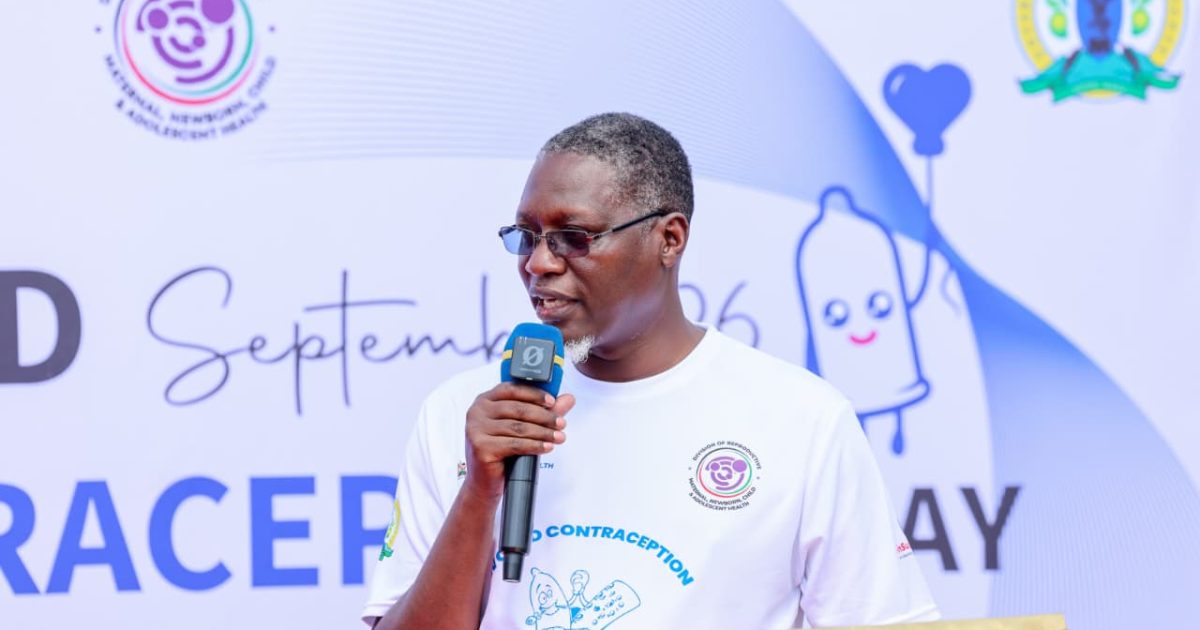
Ndwiga gave the statistics during the commemoration of the National World Contraception Day (WCD) held at Mother and Child Hospital in Wote town, Makueni County on Friday.
“Nobody will seek an abortion for a pregnancy you intended to get. So most of the women you see procuring unsafe abortions got pregnant accidentally. Many women are aware about FP, but do not use it,” he lamented.
The day’s theme was: “A Choice for All:” Agency, Intention and Access.
During the event, Ndwiga warned women against being coerced either to get pregnant or use contraceptives, saying it is their choice to protect their bodies.
“A person is free to choose, having been given correct information on how to lead her reproductive life. Nobody should coerce you into having a pregnancy; your mother-in-law should not tell you not to use contraceptives. Because they are robbing you the rights of a free moral Kenyan to decide what happens with reproductive health,” he noted.
Ndwiga said family planning cannot be taken lightly because it directly impacts negatively on the health and wealth of the nation as a whole.
“We rely heavily on donor funding for family planning. We are shocked when donors are pulling out of Kenya. We have no other choice but to use domestic financing for FP, because nobody else is going to come and assist us,” Ndwiga said.
He disclosed that the MoH is developing the first-ever national family planning policy that is intended to address various problems facing FP in the country as well as ensure male involvement in FP.
“We are in the process of developing the first-ever national family planning policy. We will come back for public participation so that all the things you said here in songs, poems and skits, have a policy home. We hope to complete that by the end of 2025,” he observed.
Addressing the same forum, Makueni Deputy Governor, Lucy Mulili, called upon the national government to increase investment on family planning to ensure women and girls are not turned away due to diminished stocks and also upscale youth-friendly services where they can access accurate information.
Further, Mulili said the government should prioritize universal health coverage for reproductive health to ensure contraception is affordable and accessible to all, regardless of socioeconomic or status.
The deputy governor said there was a need to strengthen data systems and accountability to ensure the policies are evidence-driven and resources reach the people who need them.
Mulili also disclosed that Makueni county government has established Mother and Child hospital where on average 20 mothers deliver safely daily saying the facility has an incubation unit for pre-term babies.
She revealed that they are also constructing the Mother and Child hospital at Sultan Hamud, Kibwezi and Mbooni Sub-counties to address issues of maternal health in the county.
Others present during the colourful occasion included County Executive Committee Member for Health, Joyce Mutua, several partners in the health sector, among other national and county officials.
By Patrick Nyakundi